Artemis II astronauts describe 'breathtaking views' in space as they rocket toward the Moon
Artemis II astronauts shared their first impressions from space, describing stunning views of Earth and the Moon as they continue their historic mission beyond orbit, marking humanity’s return to deep space travel after more than 50 years.
schedule
08:21 visibility
75 views
Source: Euronews
Artemis II astronauts shared their first impressions from space, describing stunning views of Earth and the Moon as they continue their historic mission beyond orbit, marking humanity’s return to deep space travel after more than 50 years.
Latest news bulletin | April 20th, 2026 – Evening
Can an AI shaman predict your future? Seoul shop puts it to the test
This Chinese robot just beat the human half-marathon world record
Radev wins in Bulgaria as Orbán hints at lifting Ukraine loan veto
France and Poland discuss boosted defence ties as US commitment to Europe wavers
Crime rates in Germany are falling but sexual offences are significantly on the rise
Timmy, the whale stranded off Germany's coast, swims off and gets stuck...again
Fake footage allegedly shows Zelenskyy's friendship with Jeffrey Epstein
Rescuers evacuate hundreds after snowstorm hits Russia’s Far East
The Forest Service is trying to shut down research hubs because it says it needs to live within its means. But the agency plans to close facilities that cost less than $1 to rent while keeping open one that costs $1 million.
Ukraine recaptured more territory than it lost to Russian forces in May for the second straight month, an analysis of data from the Institute for the Study of War carried out by the AFP news agency showed earlier this month.
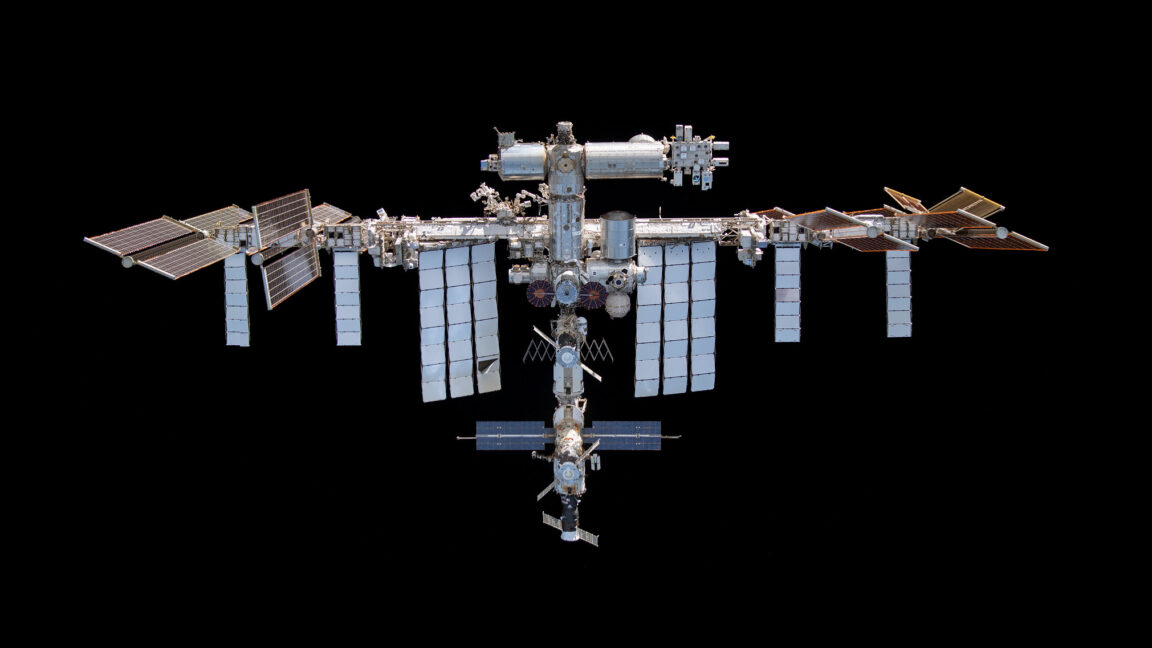
NASA ordered astronauts aboard the International Space Station (ISS) to shelter in their spacecraft and prepare for a possible evacuation on Friday after an air leak in the Russian module of the orbiting laboratory worsened, raising fresh concerns...
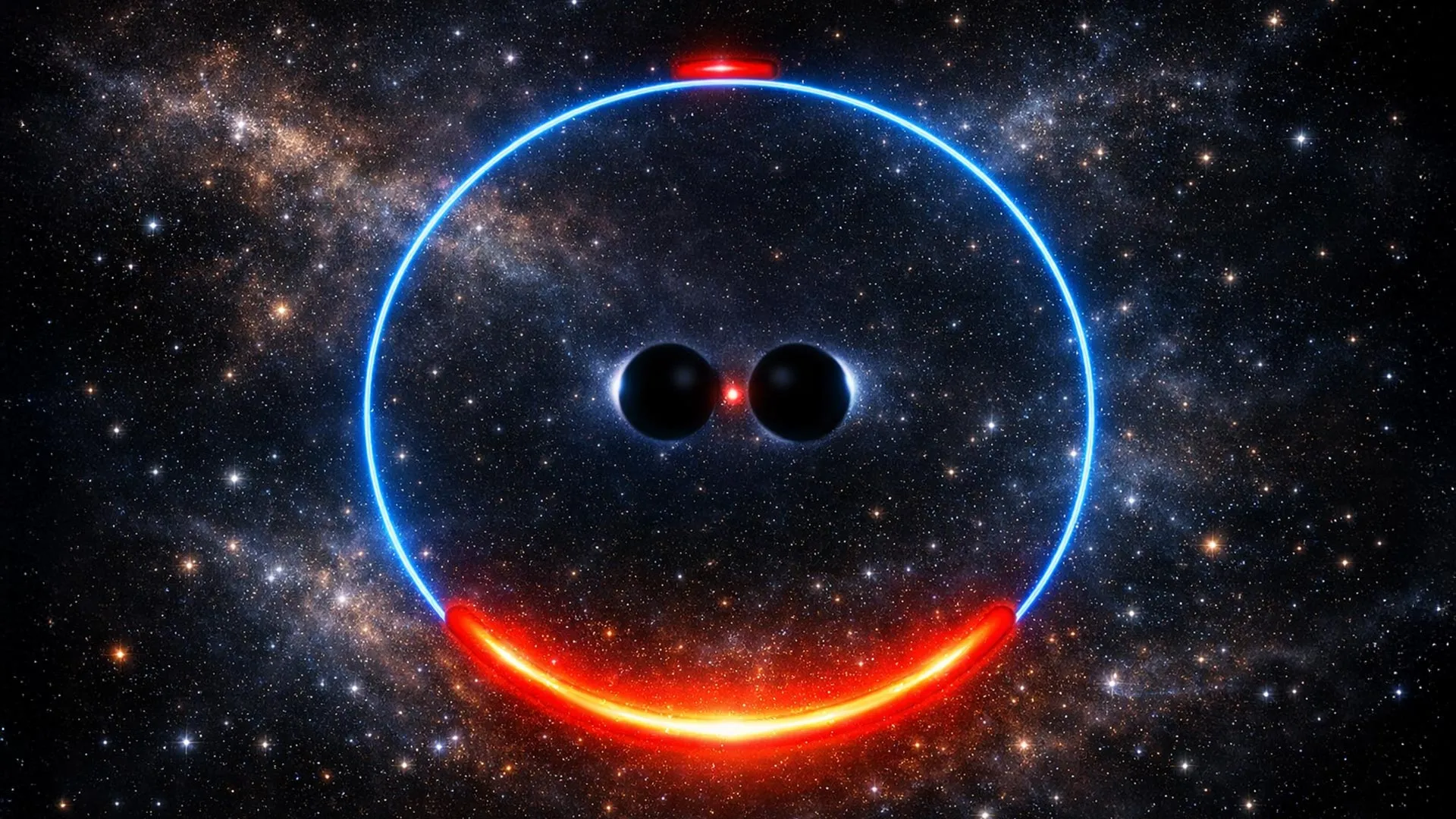
Scientists have proposed a new method for finding tightly bound supermassive black hole pairs by searching for stars that flash repeatedly as their light is magnified by the black holes’ gravity. The timing and brightness of these bursts could...
Science Daily
We use cookies to improve your experience. By continuing to use this site, you agree to our use of cookies. Learn more