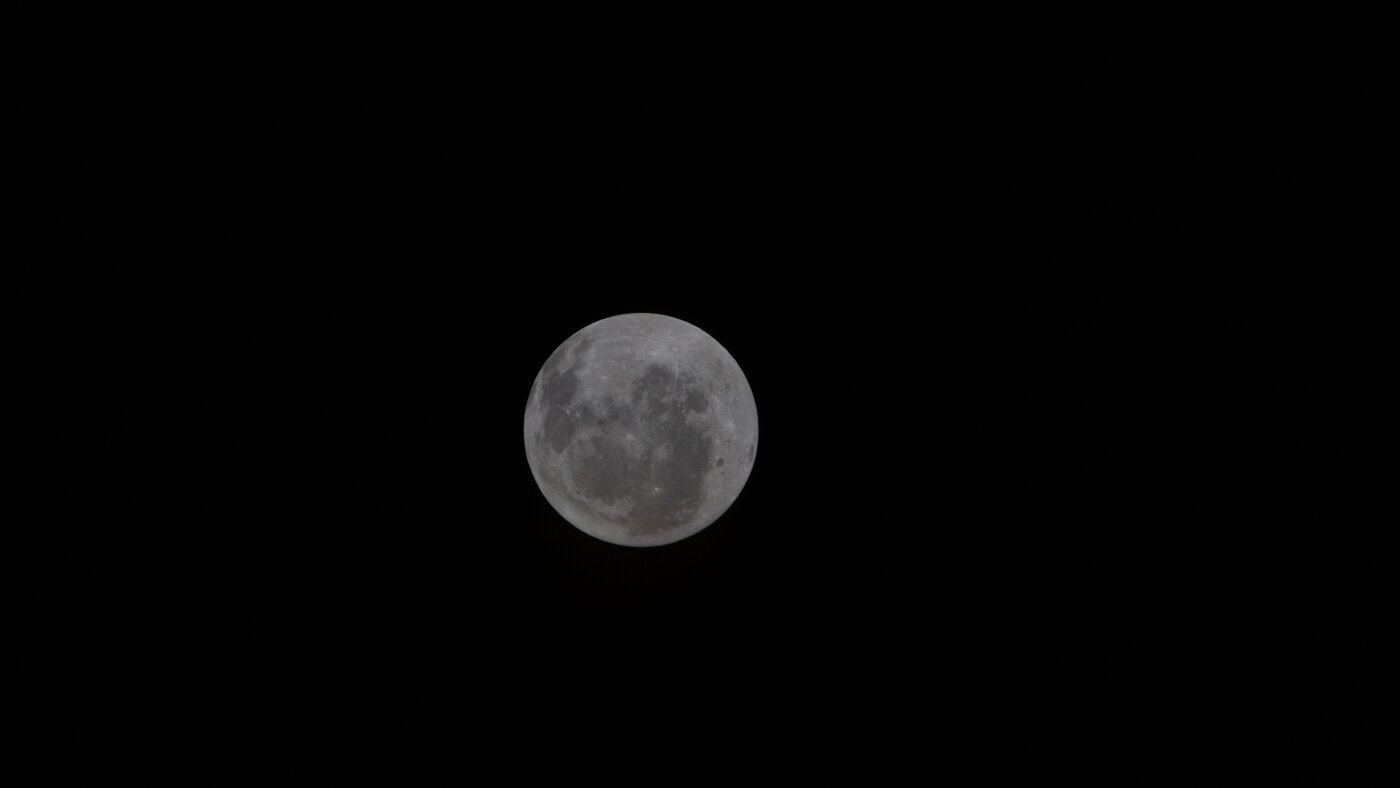
What can Artemis II astronauts see that satellites haven't captured?
The astronauts on Artemis II will observe parts of the moon rarely seen by human eyes. A NASA planetary scientist said it will offer a vital perspective for lunar research.
Lori Glaze: "We have seen real commitment to try and do that... from both Blue and from SpaceX."
Samsung's S27 lineup, expected next year, might include a new member, the Galaxy S27 Pro, which would be a second premium option between Samsung's Ultra and Plus models, as first reported by ETNews. The new Pro model reportedly won't support the S...
A new study has crunched the numbers, and it turns out that while attention spans are dwindling, movie runtimes are growing.
The company is also announcing a deal with L3Harris to build the sensors for Xoople's spacecraft.
This major cultural complex, designed by Tadao Ando, is taking shape in Tashkent, with intricate building work led by an international team and plans for art and learning spaces.
Scientists have identified a little-known receptor, GPR133, as a powerful regulator of bone strength. By activating it with a newly discovered compound called AP503, they were able to boost bone density in mice and counteract osteoporosis-like...
NASA’s Artemis II crew are expected to reach their destination on Monday where the four astronauts aboard the Orion will – for the first time – look at the lunar far side with the naked eye. The fly-by will last approximately six hours before the...
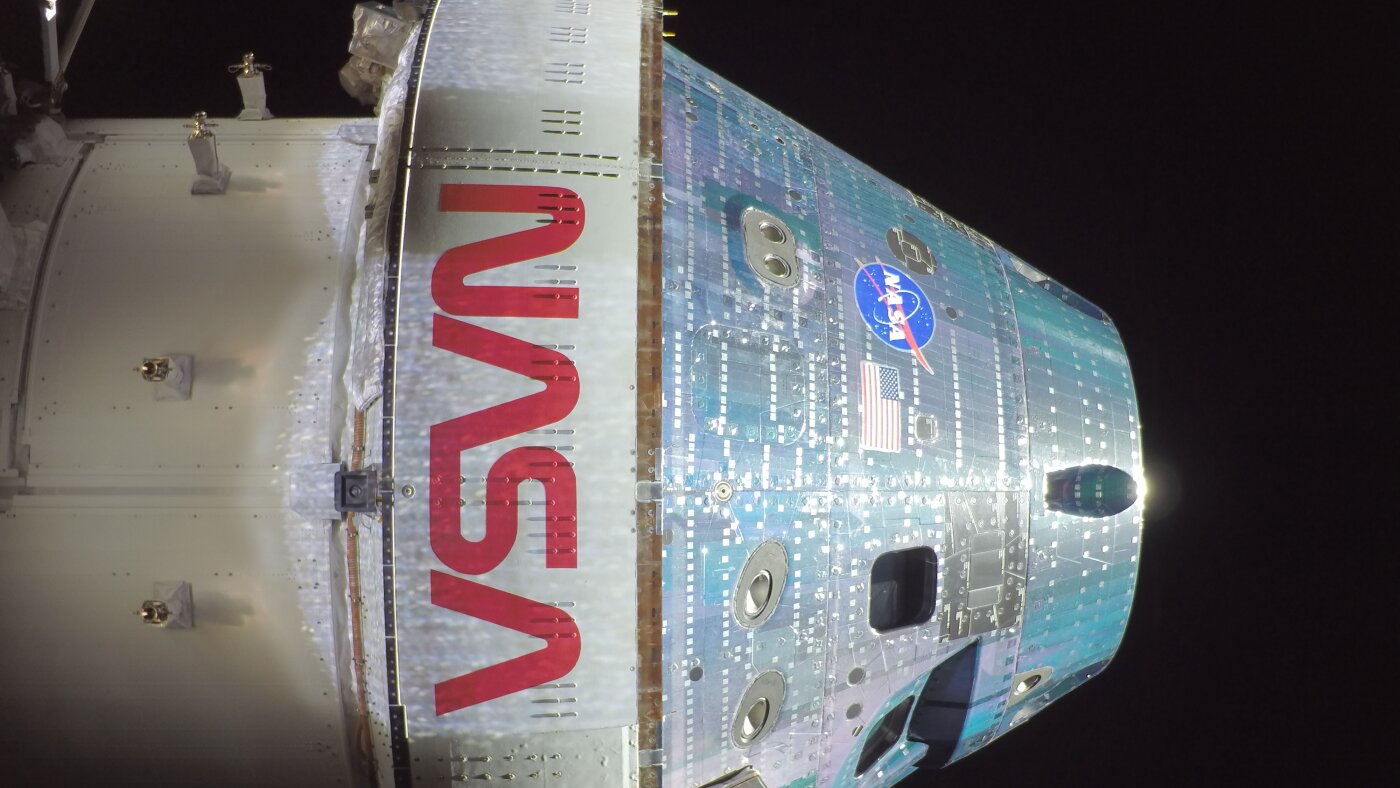
The Orion spacecraft is in its final phase and has entered the moon's gravitational sphere. The astronauts are expected to soon break the record for traveling the farthest distance from Earth.
The Orion spacecraft is in its final phase, with NASA saying astronauts have broken Apollo 13's record for traveling the farthest distance from Earth.
At its closest point, the crew of Artemis II will loop about 4,000 miles from the lunar surface late Monday. The astronauts will also venture farther into space than any previous human mission.
AI is consuming staggering amounts of energy—already over 10% of U.S. electricity—and the demand is only accelerating. Now, researchers have unveiled a radically more efficient approach that could slash AI energy use by up to 100× while actually...
On the latest episode of TechCrunch’s Equity podcast, we debated Elon Musk's vision for data centers in space.
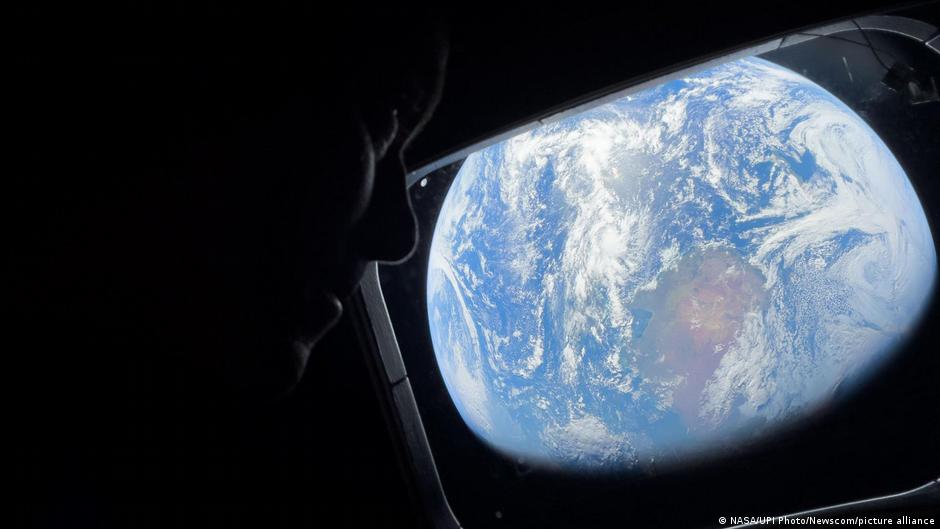
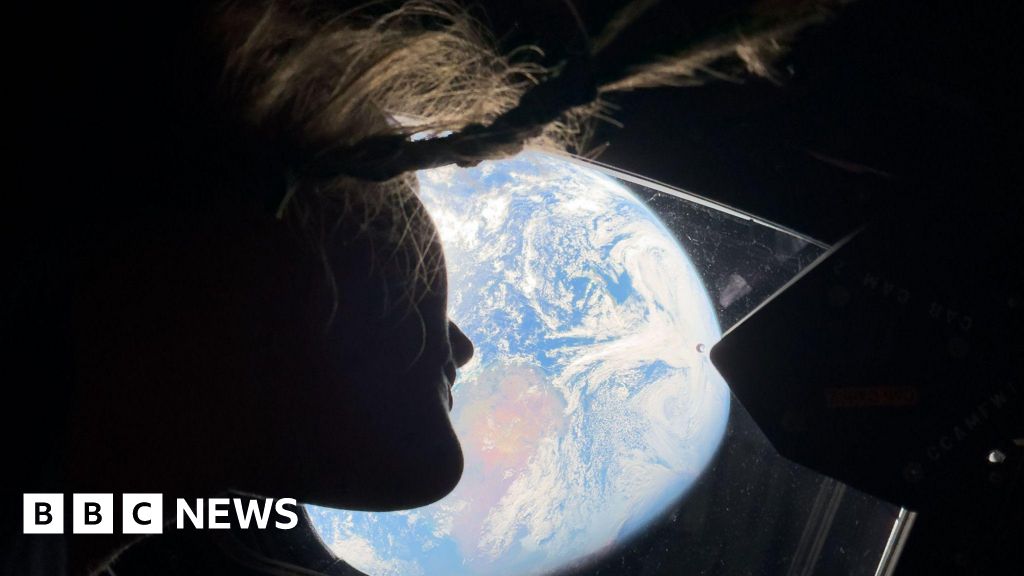
The story behind the beautiful pictures beamed back to Earth from the Artemis II astronauts.
The war in the Middle East showed no sign of ending as President Donald Trump exchanged threats with the Iranian regime and jittery markets sent oil prices surging. The week also saw NASA launch its first crewed lunar mission in half-a-century...
Scientists have uncovered a powerful new clue in the mystery of brain aging: a single protein called FTL1. In aging mice, higher levels of this protein weakened connections between brain cells and led to memory decline. But when researchers reduced...
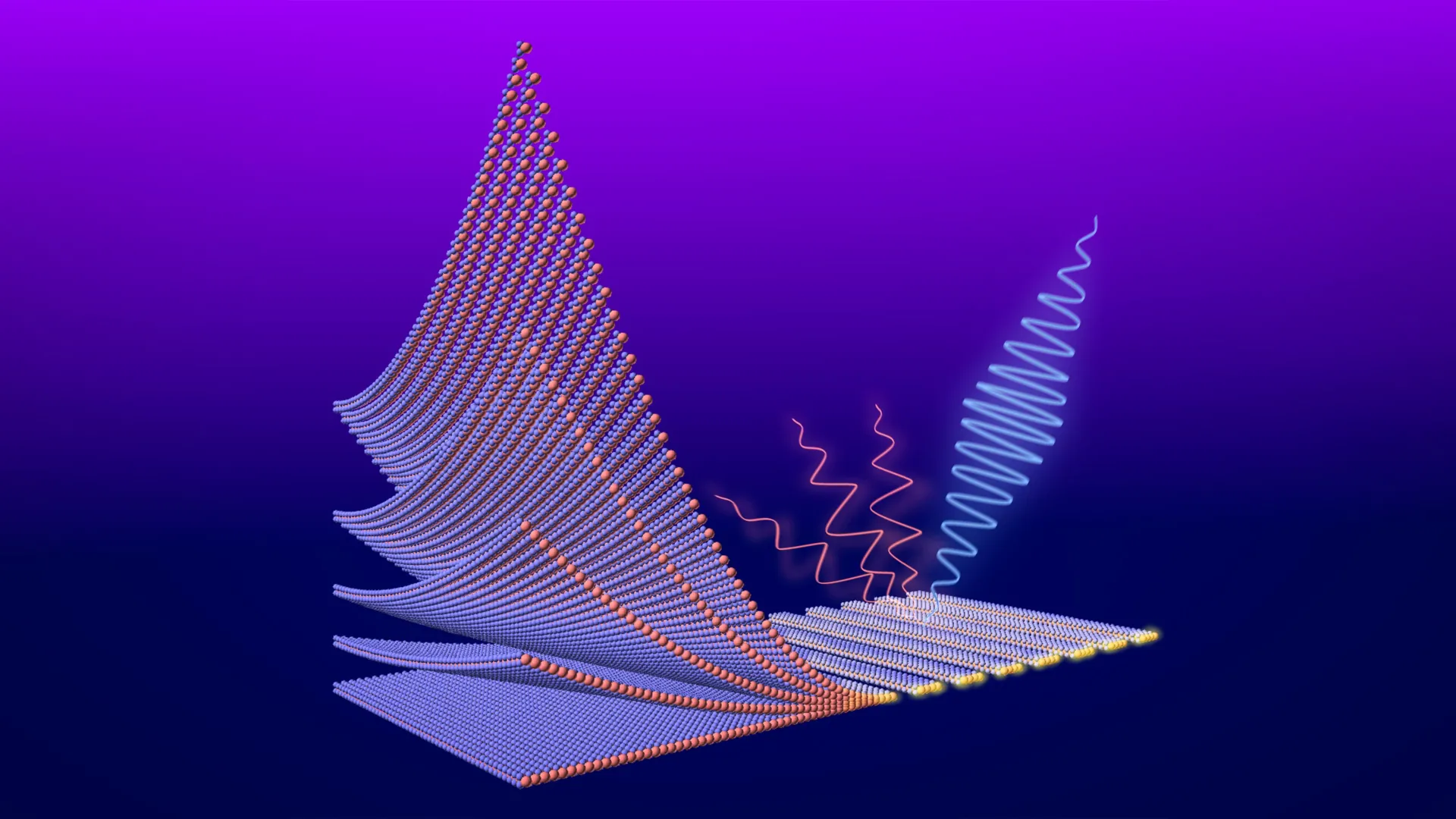
Researchers have created a nanoscale structure that traps infrared light in a layer just 40 nanometers thick—over 1,000 times thinner than a human hair. By using a unique material with exceptional light-bending properties, they can confine and...
The Artemis II crew is preparing for a historic lunar flyby that will take them farther from Earth than any previous human, documenting never-before-seen views of the Moon's far side.
Mars may look like a quiet, dusty world, but it’s actually buzzing with hidden electrical activity. Powerful dust storms and swirling dust devils generate static electricity strong enough to spark faint glowing discharges across the planet...
Despite the technological advancements since the Apollo mission, the astronauts aboard the Orion spacecraft will use the most basic instrument to study the the surface of the Moon – their eyes. During the lunar flyby, which will last for several...