Scientists may have found a way to keep your bones strong for life
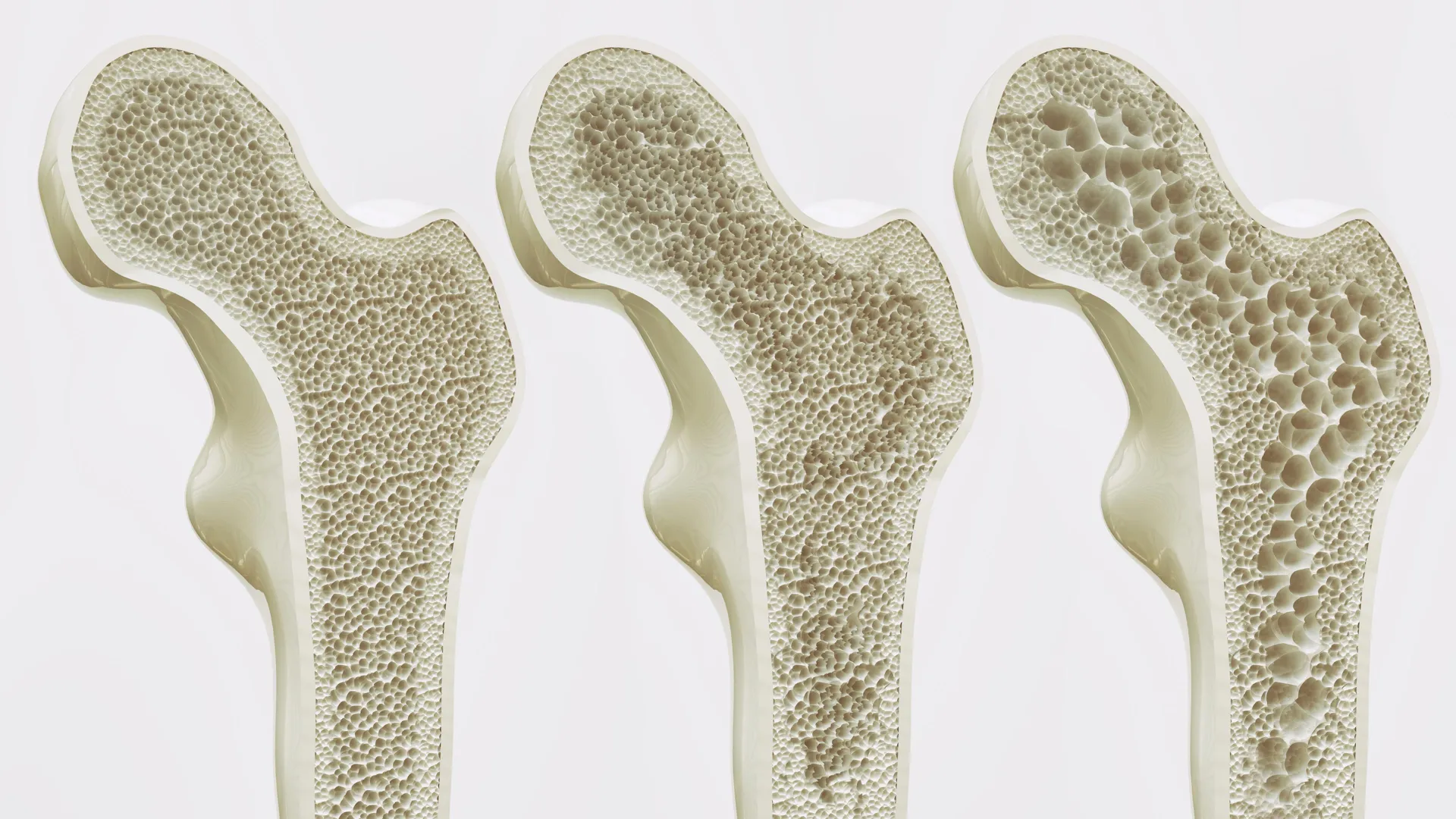
Scientists have identified a little-known receptor, GPR133, as a powerful regulator of bone strength. By activating it with a newly discovered compound called AP503, they were able to boost bone density in mice and counteract osteoporosis-like...
schedule
12:14 visibility
95 views
Source: Science Daily

Scientists have identified a little-known receptor, GPR133, as a powerful regulator of bone strength. By activating it with a newly discovered compound called AP503, they were able to boost bone density in mice and counteract osteoporosis-like damage. The finding opens the door to a new kind of treatment that could not only prevent bone loss but also rebuild weakened bones, offering fresh hope for millions affected by osteoporosis, especially aging populations.
In this edition of Access Asia, we explore why anti-Indian sentiment is rising in the United States in the wake of the foiled plot targeting a Hindu temple in Illinois. We ask the executive director of the Center for the Study of Organized Hate...
Premières manifestations, premiers débats, premiers engagements militants… Pour de nombreux jeunes, le mouvement lycéen coïncide avec une prise de conscience politique accrue qui transforme leur quotidien, à six mois d’une élection présidentielle à...
Today on Decoder, I’m joined by Joey Brookhart, an analyst at the chip and AI research firm SemiAnalysis, to help me dig into the story inside the numbers of the Anthropic IPO filing — a document known as an S-1. Anthropic just filed its S-1 to go...
A study of nearly 13,000 adults found that people consuming the most artificial sweeteners experienced a 62% faster decline in memory and thinking skills, equivalent to approximately 1.6 additional years of brain aging. Six popular sweeteners were...
Mathematicians have uncovered what they argue is a fundamental flaw in the standard model of the universe, potentially challenging the need for dark energy. Their calculations suggest that the mathematical framework used to describe cosmic expansion...
İsviçre'deki peçeli baykuşlar son 30 yılda daha kızıl kahverengi ve daha yoğun benekli hale geldi. Üç binden fazla peçeli baykuşun DNA'sı doğal seçilimin iş başında olduğunu ortaya koyarken tüylerinin değişmesinin ardındaki avantajın rengin...
TRT Haber
We use cookies to improve your experience. By continuing to use this site, you agree to our use of cookies. Learn more