Germany’s 5,000 heat deaths: What the numbers reveal
More than 5,100 people in Germany died from heat-related causes this year until the end of June, the Robert Koch Institute reports. But how can researchers prove that someone died because of soaring temperatures?
schedule
19:11 visibility
4 views

Source: DW News
More than 5,100 people in Germany died from heat-related causes this year until the end of June, the Robert Koch Institute reports. But how can researchers prove that someone died because of soaring temperatures?

Leaker Evan Blass shared images of Samsung's redesigned Galaxy Z Fold 8 just days before the July 22nd launch event where Samsung is expected to officially announce the phone. The leaked images show a shorter, wider foldable matching earlier leaks...
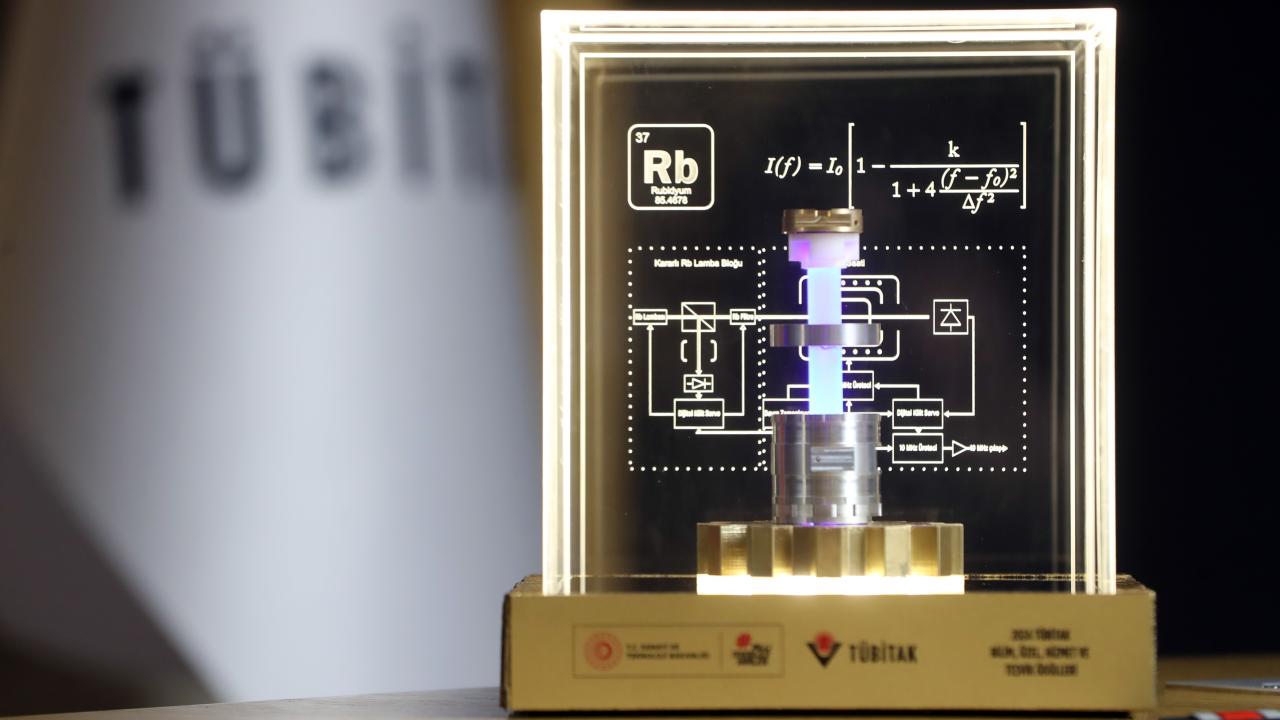
Milli Uzay Programı'nın stratejik hedefleri arasında yer alan Bölgesel Konumlama ve Zamanlama Sistemi için kritik öneme sahip Rubidyum Atomik Saati RAFS, SpaceX Transporter17 görevi kapsamında başarıyla uzaya fırlatıldı. Uzay aracından ilk sinyal de...
The Trump administration is waging a culture war on science, and the latest salvo is in the form of a dry, bureaucratic proposal from the Office of Management and Budget (OMB) that could threaten the future of US science as we know it. The proposal...
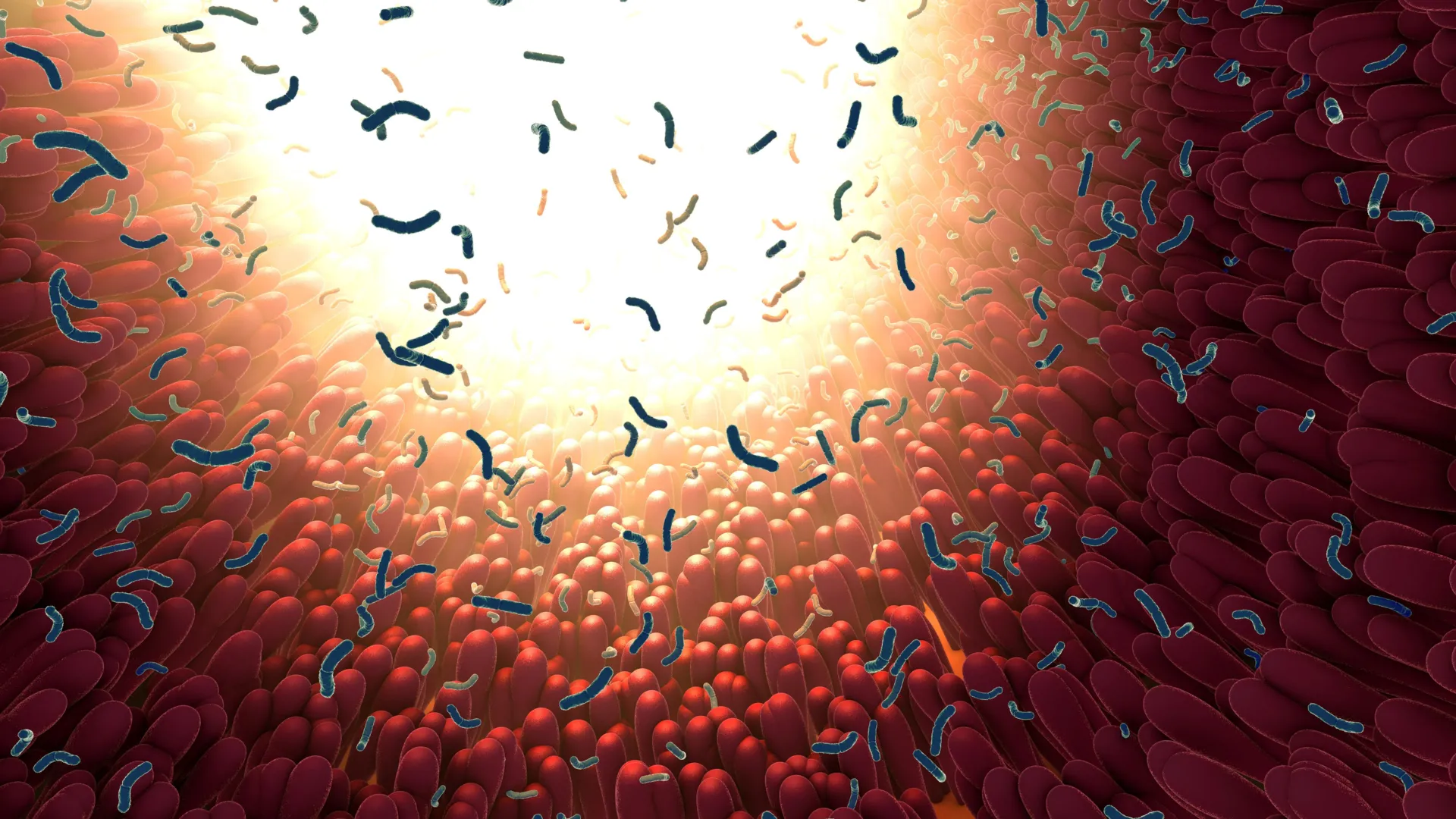
A large laboratory study found that many commonly used sweeteners can directly change the growth of gut bacteria. Researchers identified more than 100 cases in which sweeteners behaved differently when combined with medications, caffeine, or...
A new particle detector called PLATON could replace millions of tiny detector components with a single block of light-producing material. Using a light-field camera, highly sensitive photon sensors, and AI, it reconstructs particle paths in fast...
Naturalistes, randonneurs et autres amoureux du massif seine-et-marnais s’attristent de la disparition de riches écosystèmes et s’interrogent sur l’avenir d’un espace jusque-là très fréquenté, mais désormais fragilisé par le passage des flammes.
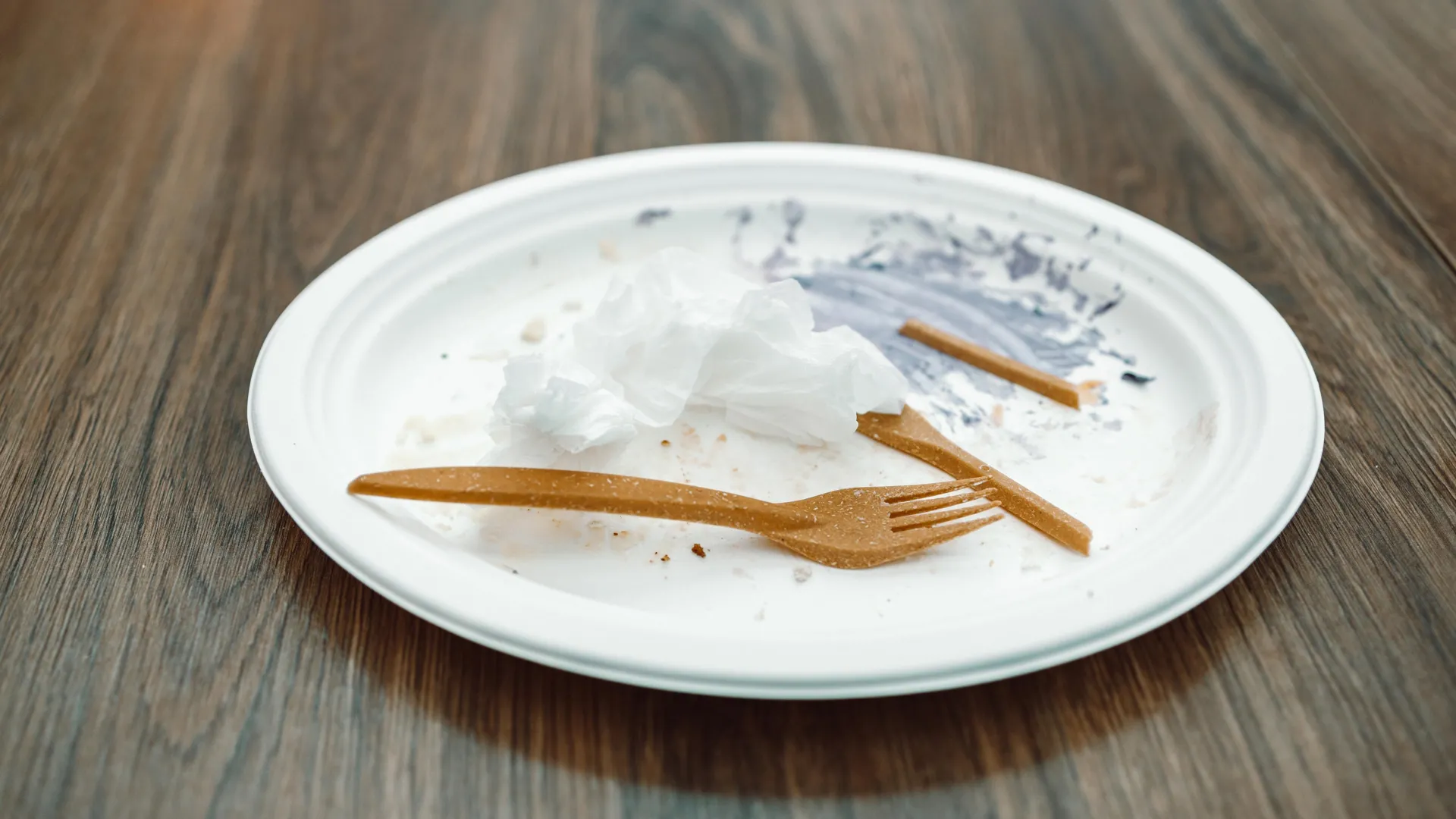
Researchers have created self-destructing living plastic that uses engineered bacteria to completely break itself down when activated. The material degrades in just six days without creating microplastics, offering a potential new solution for...
Science Daily
We use cookies to improve your experience. By continuing to use this site, you agree to our use of cookies. Learn more