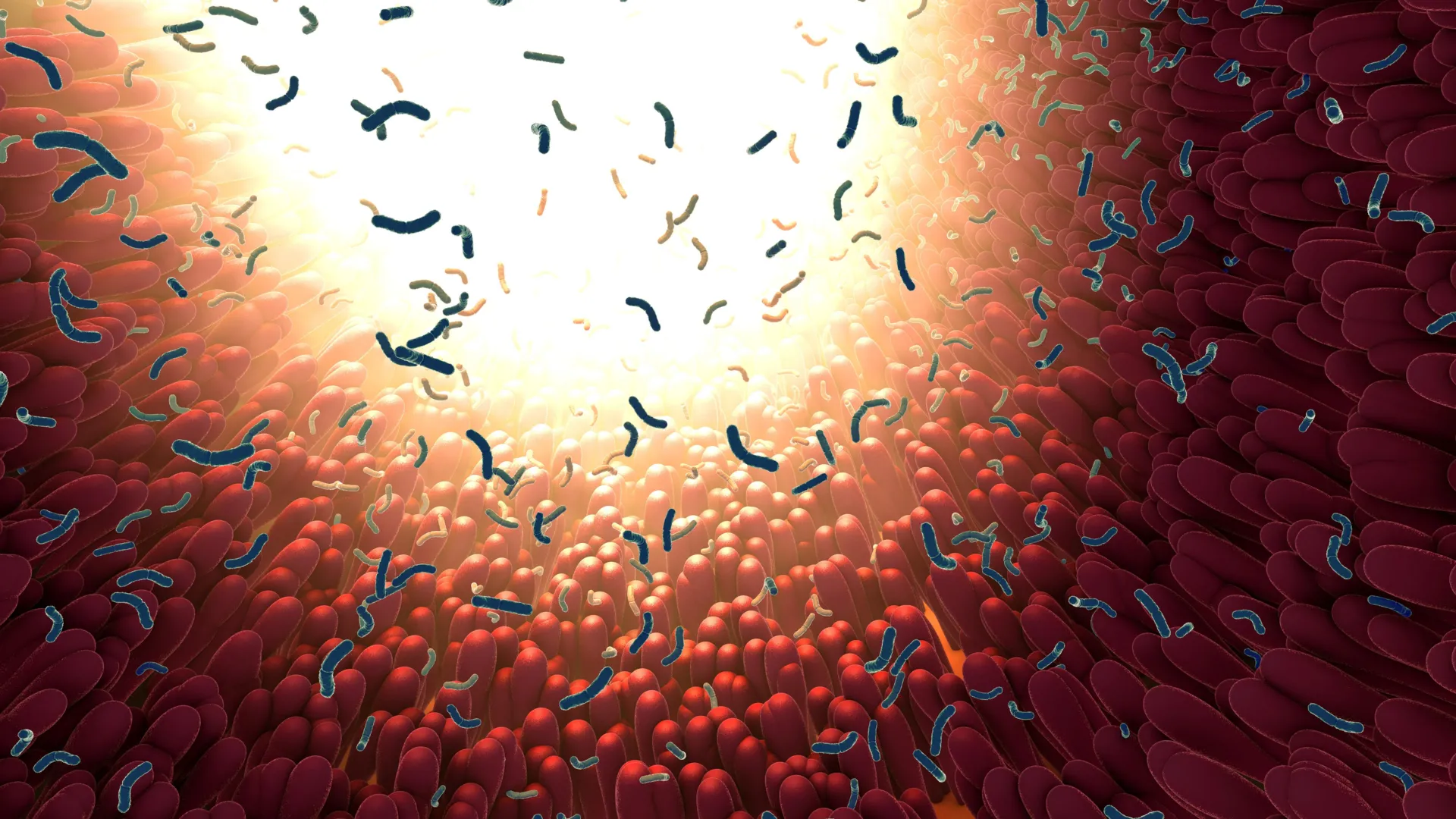
Scientists tested 39 sweeteners and found unexpected gut effects
A large laboratory study found that many commonly used sweeteners can directly change the growth of gut bacteria. Researchers identified more than 100 cases in which sweeteners behaved differently when combined with medications, caffeine, or...
schedule
08:59 visibility
2 views
Source: Science Daily

A large laboratory study found that many commonly used sweeteners can directly change the growth of gut bacteria. Researchers identified more than 100 cases in which sweeteners behaved differently when combined with medications, caffeine, or flavorings. The combination of isosteviol and the antidepressant duloxetine was especially disruptive, reducing beneficial bacteria and overall microbial diversity.
A new particle detector called PLATON could replace millions of tiny detector components with a single block of light-producing material. Using a light-field camera, highly sensitive photon sensors, and AI, it reconstructs particle paths in fast...
Naturalistes, randonneurs et autres amoureux du massif seine-et-marnais s’attristent de la disparition de riches écosystèmes et s’interrogent sur l’avenir d’un espace jusque-là très fréquenté, mais désormais fragilisé par le passage des flammes.
Researchers have created self-destructing living plastic that uses engineered bacteria to completely break itself down when activated. The material degrades in just six days without creating microplastics, offering a potential new solution for...
CD sales are apparently going up, reportedly thanks to fans realizing they're an affordable way to support their favorite artists. According to a new report from research firm Luminate, 16.3 million CDs were sold in the first half of 2026 in the US...
Drawing on more than a decade spent helping build some of the world's most influential AI systems, including research that later informed the development of ChatGPT, Andrew Dai explains why he believes visual AI is one of the next major frontiers in...
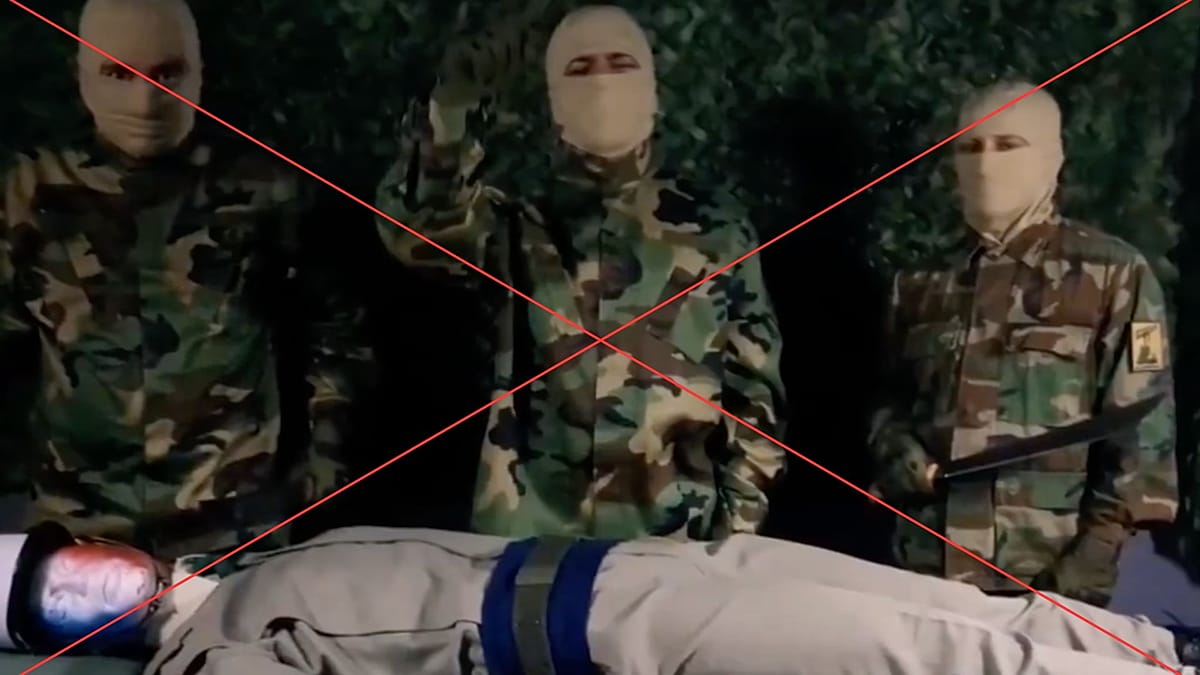
A social media video emerged ahead of this year's Bastille Day in which alleged Hezbollah militants threatened attacks on French soil. The video turned out to be fake, and researchers say it could be linked to a well-known Russian disinformation...
Euronews
We use cookies to improve your experience. By continuing to use this site, you agree to our use of cookies. Learn more