MIT scientists turn chaotic laser light into powerful brain imaging tool
Scientists at MIT discovered that chaotic laser light can spontaneously form a highly focused beam instead of scattering—if the conditions are just right. This “pencil beam” enabled them to image the blood-brain barrier in 3D at speeds 25 times...
schedule
13:10
visibility
60 vistas
Fuente: Science Daily
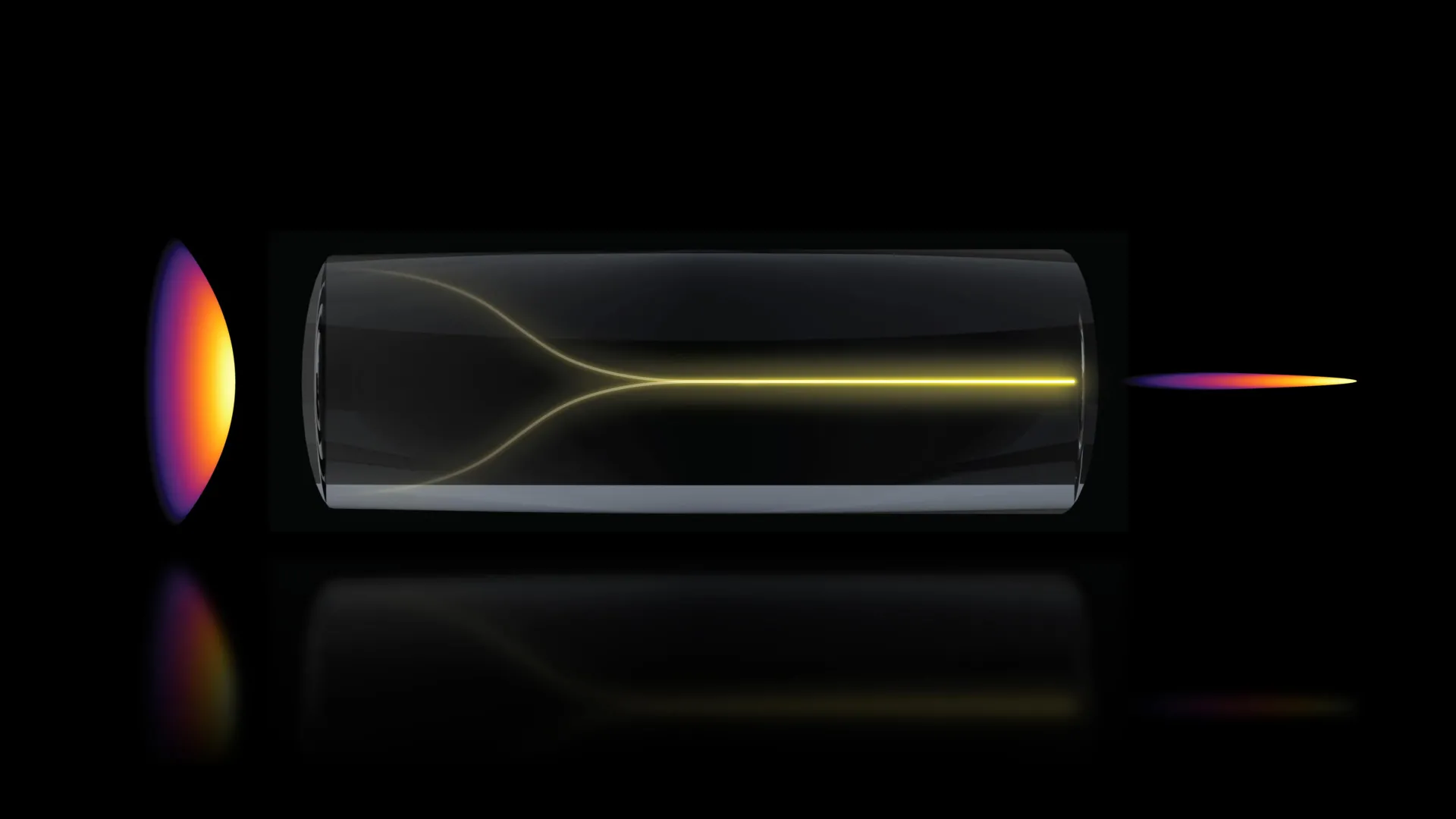
Scientists at MIT discovered that chaotic laser light can spontaneously form a highly focused beam instead of scattering—if the conditions are just right. This “pencil beam” enabled them to image the blood-brain barrier in 3D at speeds 25 times faster than existing techniques. The method also lets researchers watch how drugs move into brain cells in real time. It could dramatically accelerate the development of treatments for neurological diseases.
newspaper