Yerkürenin yüzde 40'ından fazlası kurak alana dönüşebilir
Dünya genelinde sıcaklıklar artarken, gezegenin en kurak bölgelerinin daha da kuraklaşması bekleniyor. Çevre bilim dergisi Environmental Research Letters'ta yayımlanan yeni bir araştırma, 21. yüzyılın sonuna kadar yerkürenin kara alanlarının yüzde...
schedule
04:26 visibility
5 views
Source: TRT Haber

Dünya genelinde sıcaklıklar artarken, gezegenin en kurak bölgelerinin daha da kuraklaşması bekleniyor. Çevre bilim dergisi Environmental Research Letters'ta yayımlanan yeni bir araştırma, 21. yüzyılın sonuna kadar yerkürenin kara alanlarının yüzde 40'ından fazlasının kurak alan haline gelebileceğini ortaya koydu.
One week after the deadly floods, very little is known about China's dead or missing. China's control over media and digital censorship is in stark contrast to open reporting in Nepal.
The European Commissioner for Agriculture, Christophe Hansen, tells Euronews this has been “a very challenging summer” for farmers, with many “losing their harvests” due to extreme climate conditions.
European Commission President Ursula von der Leyen is expected to announce increased EU investment in Greenland on Monday, including in critical minerals, satellite communications and renewable energy. Her two-day visit signals support for Greenland...
This is The Stepback, a weekly newsletter breaking down one essential story from the tech world. For more on e-bikes, power stations, and how to work anywhere, follow Thomas Ricker. The Stepback arrives in our subscribers' inboxes at 8AM ET. Opt in...
Nepali rescuers faced challenging conditions on Sunday as search operations following catastrophic floods entered their 12th day, buoyed by the extraordinary rescue of four survivors.
The disaster has also affected infrastructure and roads. Our...
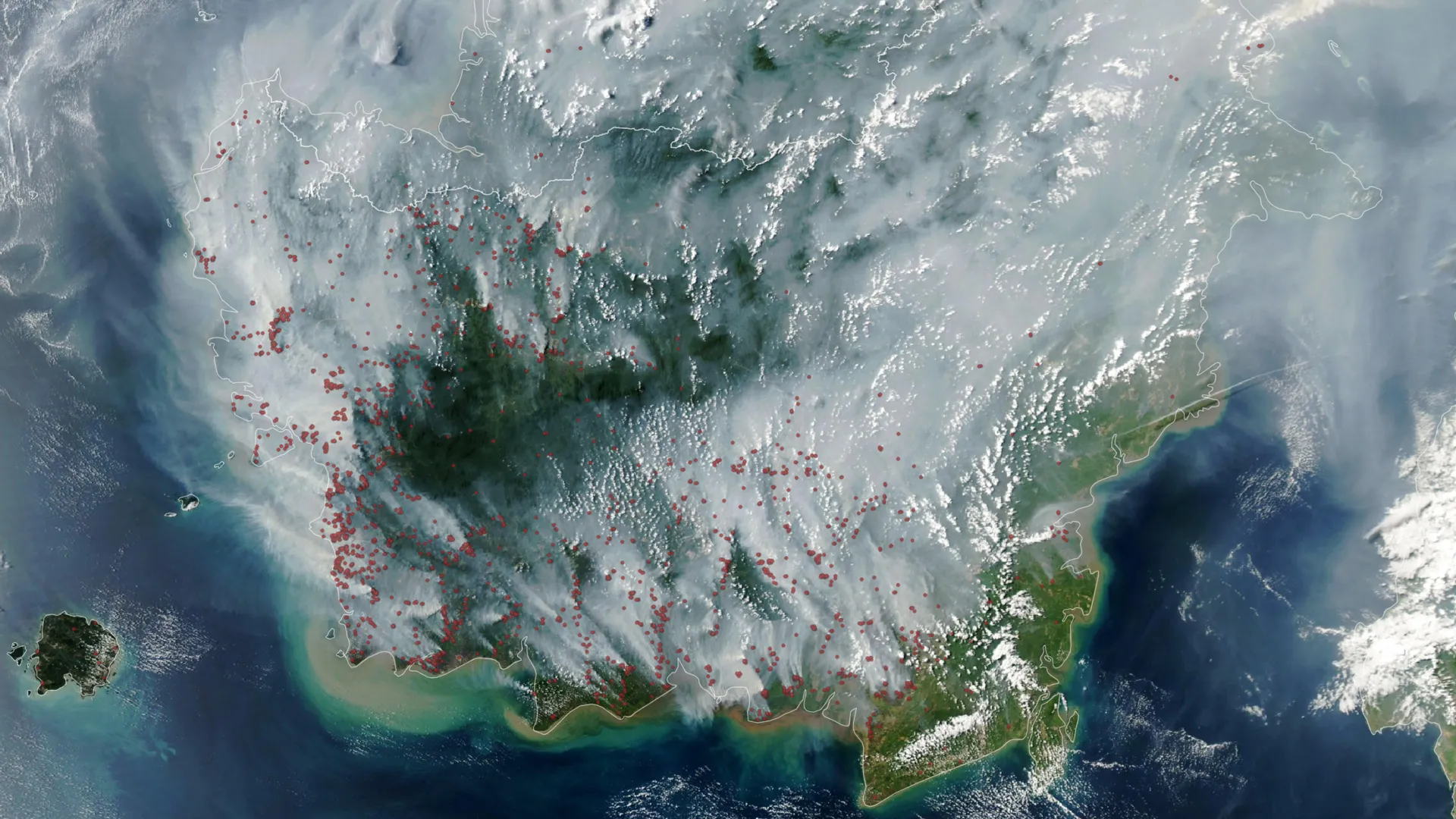
Indonesia’s dangerous peat fires are surging early in the 2026 fire season as a strengthening El Niño and severe drought dry out wetlands that can burn underground for months. These slow smoldering fires are especially destructive because they...
Science Daily
We use cookies to improve your experience. By continuing to use this site, you agree to our use of cookies. Learn more