World's smallest QR code, smaller than bacteria, could store data for centuries
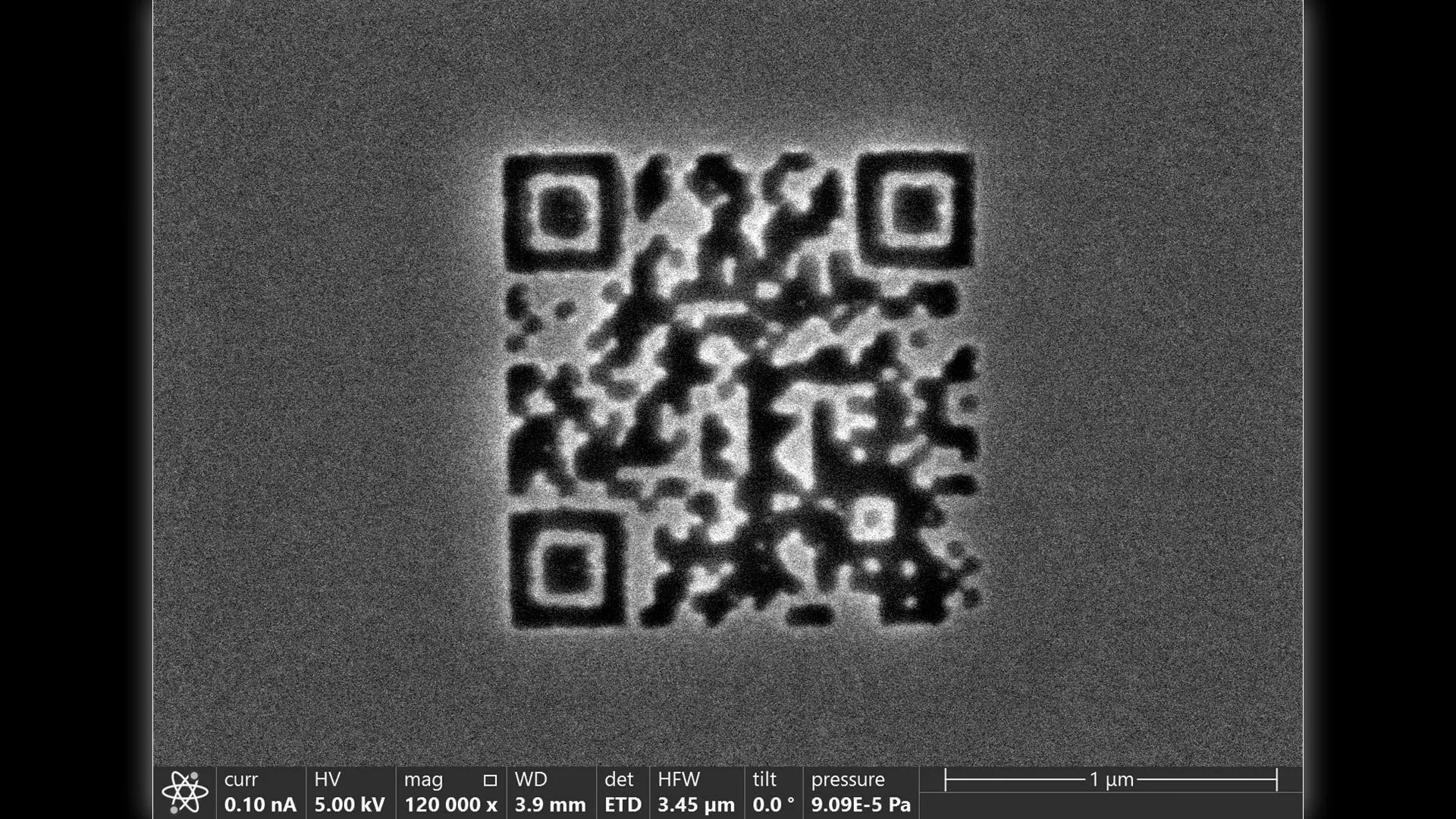
Scientists have created a microscopic QR code so tiny it can only be seen with an electron microscope—smaller than most bacteria and now officially a world record. But this isn’t just about size; it’s about durability. By engraving data into...
Scientists have created a microscopic QR code so tiny it can only be seen with an electron microscope—smaller than most bacteria and now officially a world record. But this isn’t just about size; it’s about durability. By engraving data into ultra-stable ceramic materials, the team has opened the door to storing information that could last for centuries or even millennia without needing power or maintenance.
The war in the Middle East showed no sign of ending as President Donald Trump exchanged threats with the Iranian regime and jittery markets sent oil prices surging. The week also saw NASA launch its first crewed lunar mission in half-a-century...
Scientists have uncovered a powerful new clue in the mystery of brain aging: a single protein called FTL1. In aging mice, higher levels of this protein weakened connections between brain cells and led to memory decline. But when researchers reduced...
Researchers have created a nanoscale structure that traps infrared light in a layer just 40 nanometers thick—over 1,000 times thinner than a human hair. By using a unique material with exceptional light-bending properties, they can confine and...
The Artemis II crew is preparing for a historic lunar flyby that will take them farther from Earth than any previous human, documenting never-before-seen views of the Moon's far side.
Mars may look like a quiet, dusty world, but it’s actually buzzing with hidden electrical activity. Powerful dust storms and swirling dust devils generate static electricity strong enough to spark faint glowing discharges across the planet...
Science Daily
We use cookies to improve your experience. By continuing to use this site, you agree to our use of cookies. Learn more