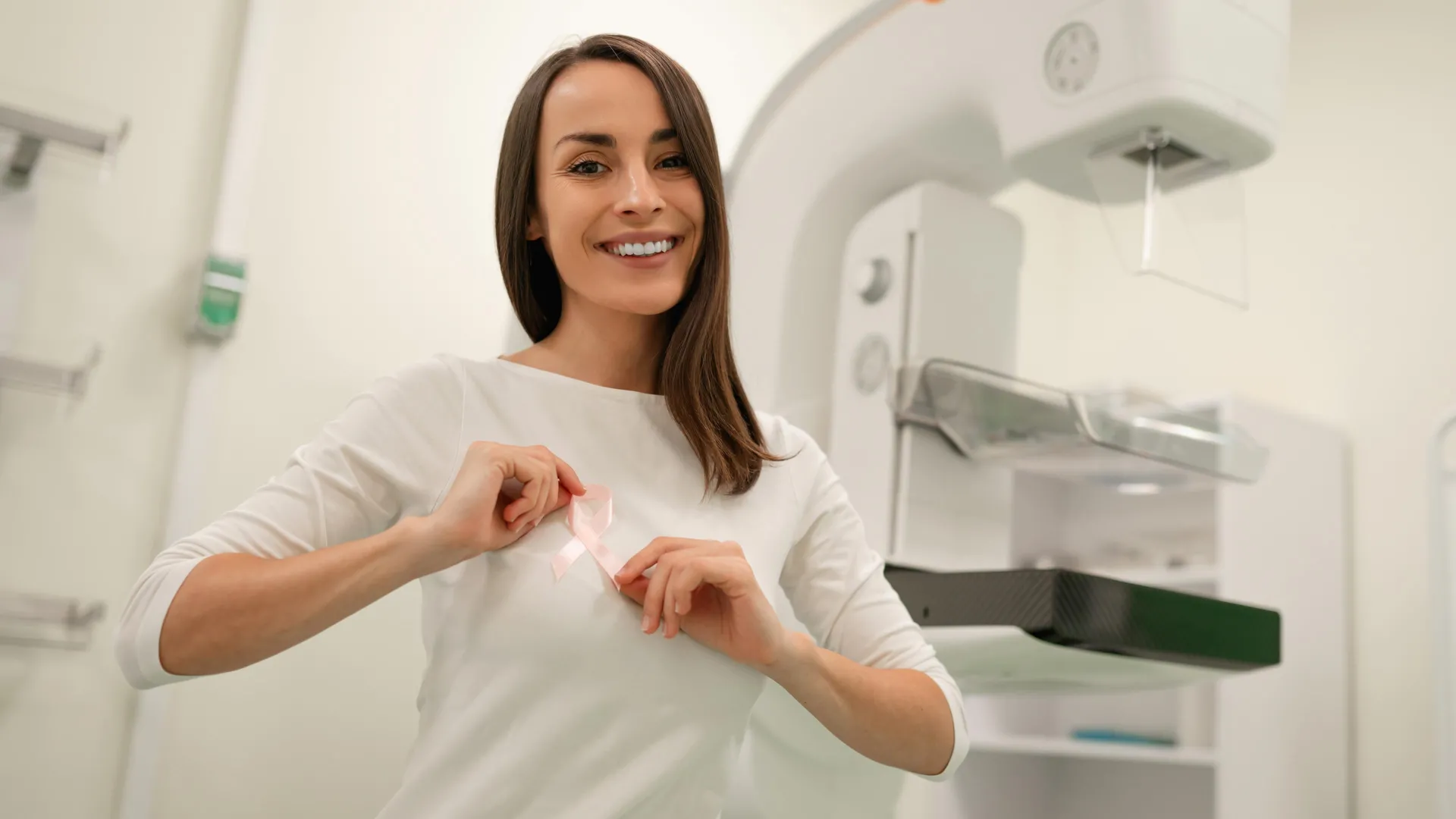
Vitamin D boosts breast cancer treatment success by 79%
A daily vitamin D supplement may quietly supercharge chemotherapy. In a small study, women who took low doses alongside treatment were far more likely to see their cancer vanish than those who didn’t. Since vitamin D also supports immune...
schedule
05:03 visibility
116 views
Source: Science Daily

A daily vitamin D supplement may quietly supercharge chemotherapy. In a small study, women who took low doses alongside treatment were far more likely to see their cancer vanish than those who didn’t. Since vitamin D also supports immune function—and many patients are deficient—it could be playing a bigger role than expected. Scientists say this affordable approach deserves much deeper investigation.
Switzerland says patient is wife of Swiss diplomat and believed to have contracted virus while travelling in UgandaHealth officials across Africa are racing to determine how Nigeria’s first Ebola patient in more than a decade became infected, amid...
When we published our review of the iPhone Duo, I got a lot of hopeful questions from my fellow Mini fans who took note of the cover screen's Mini-ish 5.4-inch size. "Is this… a small phone that turns into a tablet?" they asked. And I'm sorry to be...
Jean-Emile Jammine is pleased to welcome Gökçe Tuncel, Sociologist and post-doctoral researcher associated with the Université Paris-Est Créteil (UPEC). For Tuncel, the wave of youth-led protests across France, Albania, India and Italy reveals more...
An admirably dark and wince-inducing detour for DC Studios, who get a lot right with 'Clayface' when it comes to horror. However, the script lets it down in the second half, leading to a bold but uneven result.
British jazz and soul artist RAYE beat competition from heavyweights including Paul McCartney, Florence + The Machine and favourite Olivia Dean. The Mercury Prize honours the best album released by a British or Irish artist each year.
From chocolate bars to toothpaste, everyday products are getting smaller while prices stay the same. Known as “shrinkflation,” this is making groceries increasingly expensive for Europeans, who end up paying the same for less.
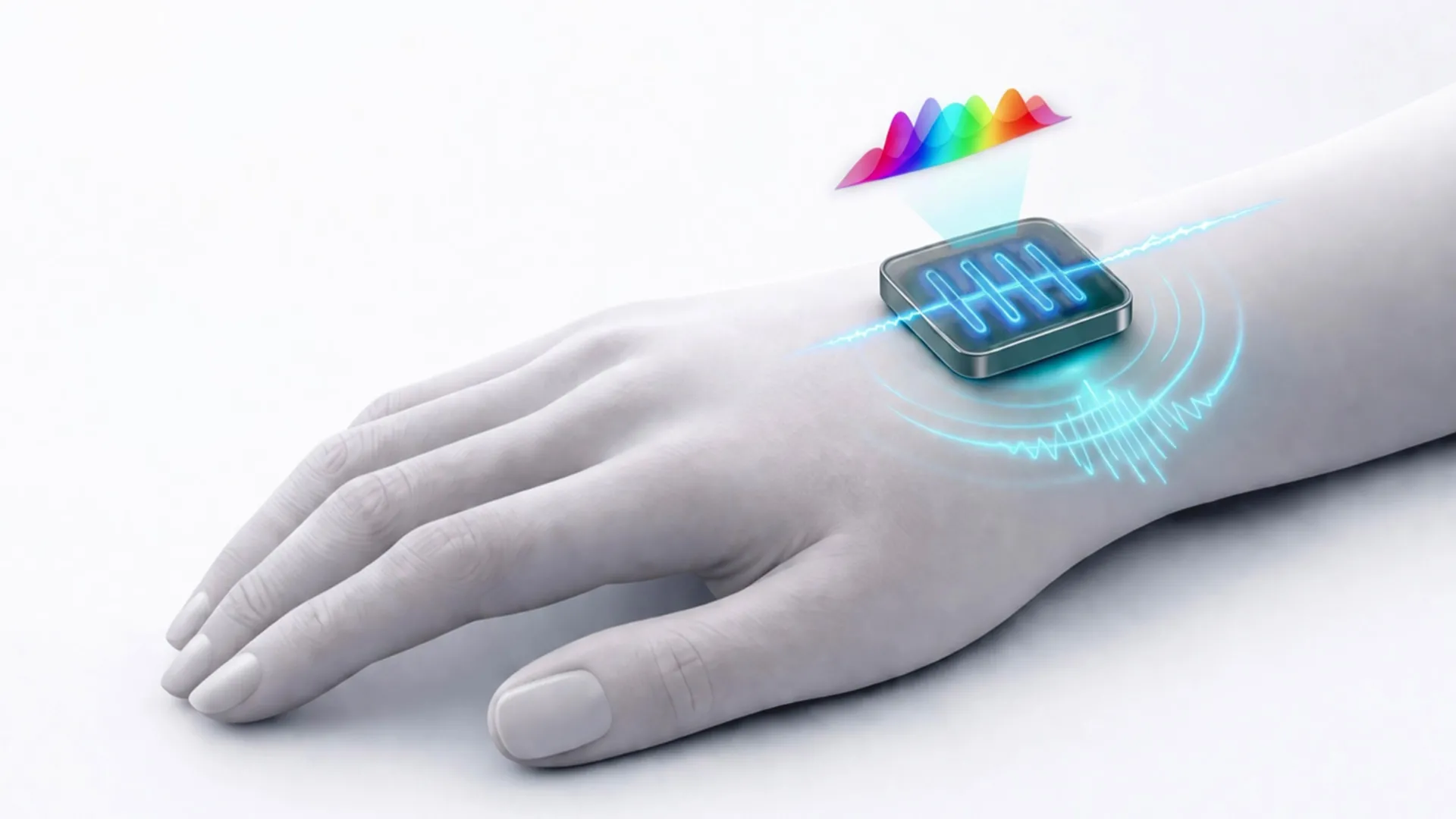
Cambridge researchers have created a groundbreaking $10 optical sensor that delivers the precision of laboratory equipment in a device small enough for wearable technology. It identified foods, plastics, and medicines with 100% accuracy in tests and...
Science Daily
We use cookies to improve your experience. By continuing to use this site, you agree to our use of cookies. Learn more