Total eclipse plunges Spain’s Segovia into darkness for 59 seconds of wonder (4/4)
A total solar eclipse on Wednesday plunged Spain’s Segovia into daytime darkness for 59 seconds. Perched high up on the city's iconic cathedral bell tower, locals and visitors from and wide watched, in awe, as the moon’s shadow blotted out the sun.
schedule
08:56 visibility
37 views
Source: France 24

A total solar eclipse on Wednesday plunged Spain’s Segovia into daytime darkness for 59 seconds. Perched high up on the city's iconic cathedral bell tower, locals and visitors from and wide watched, in awe, as the moon’s shadow blotted out the sun.
At least two people have died after heavy rain triggered flooding in eastern Spain. Streets and cars were submerged in the Valencia region as rescuers worked to evacuate stranded residents. Authorities urged people to stay indoors.
Human activity is driving plants and animals to extinction at an unprecedented rate. As countries meet in Armenia to discuss ways to reverse nature loss, DW reveals how declining biodiversity is already harming people.
Parts of southern Southeast Asia have been put under the highest-level haze alert as wildfires that have swept Indonesia for months continue to belch toxic smoke across the region. The seasonal wildfires are worse this year due to the drought...
In Brazil, deforestation in the Amazon has reached its lowest level in 40 years. President Lula is bolstering his environmental record just over a week before the second round of the presidential election, in which he faces Flávio Bolsonaro.
French authorities detained dozens on Saturday at the start of nationwide protests against the cost of living, in what is likely to be a key indicator of the social climate heading toward elections to replace President Emmanuel Macron. France 24's...
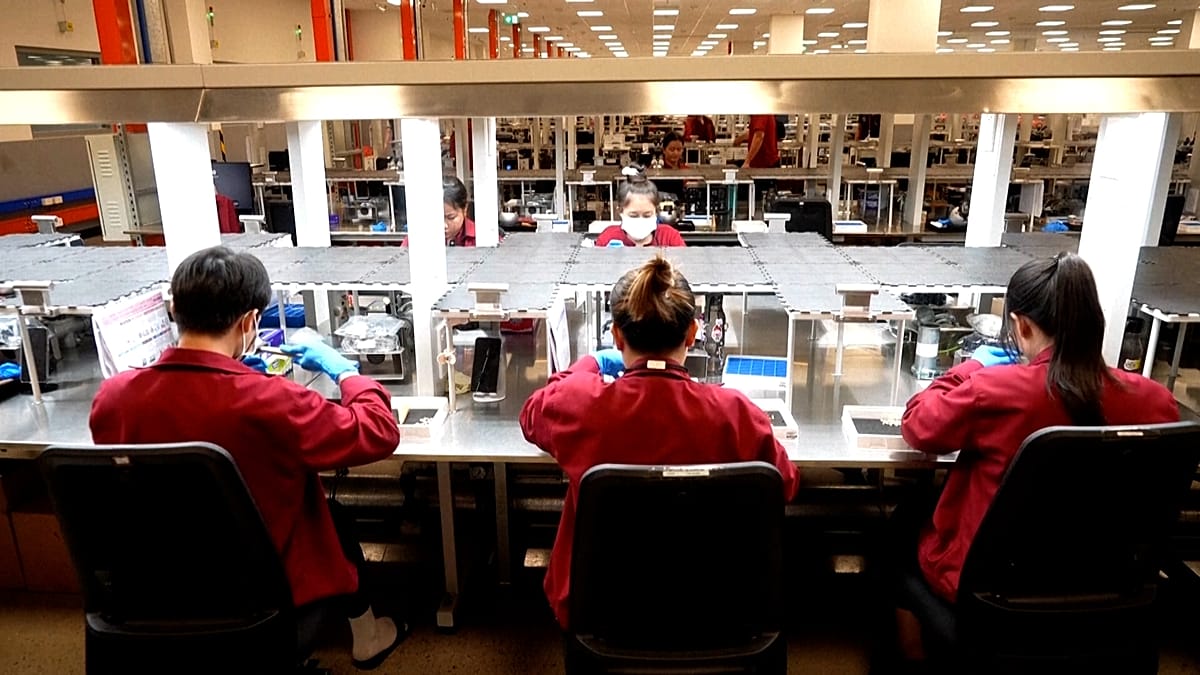
Pandora invested $150 million (€132mn) in a Vietnam factory, which it says will operate entirely on renewable electricity. The company also switched to using 100% recycled gold and silver in its jewellery production in 2024.
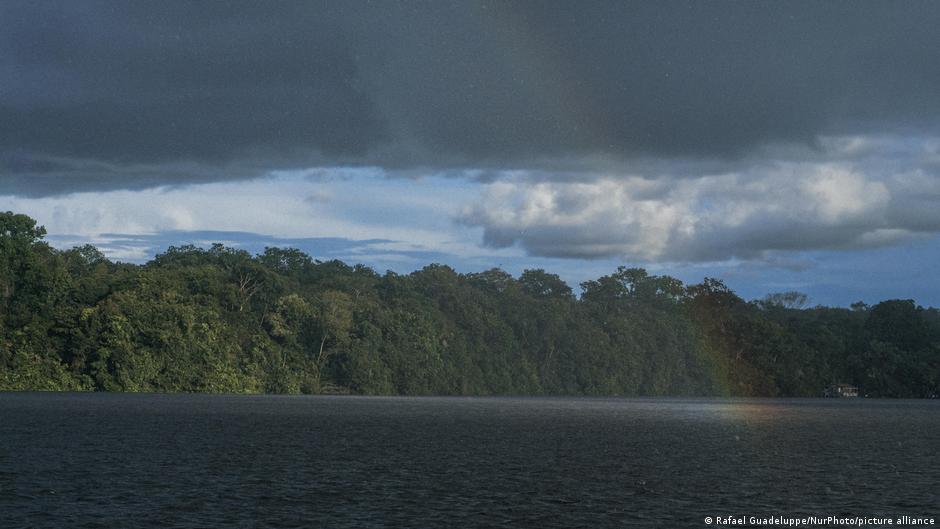
The latest figures show that 3,335 square kilometres of the Amazone rainforest were cleared over a year ending in July, the lowest since 1988. The drop has been described as an "historic achievement."
DW News
We use cookies to improve your experience. By continuing to use this site, you agree to our use of cookies. Learn more