Three in four displaced people live in climate danger zones, UN says
Nearly 90 million forcibly displaced people, or three-quarters of the global total, live in countries highly exposed to climate hazards, the UN refugee agency said on Friday, urging action ahead of the COP31 climate summit in Turkey. It said...
schedule
23:34 visibility
3 views
Source: France 24

Nearly 90 million forcibly displaced people, or three-quarters of the global total, live in countries highly exposed to climate hazards, the UN refugee agency said on Friday, urging action ahead of the COP31 climate summit in Turkey. It said droughts, floods and extreme heat were making lasting solutions harder to find.
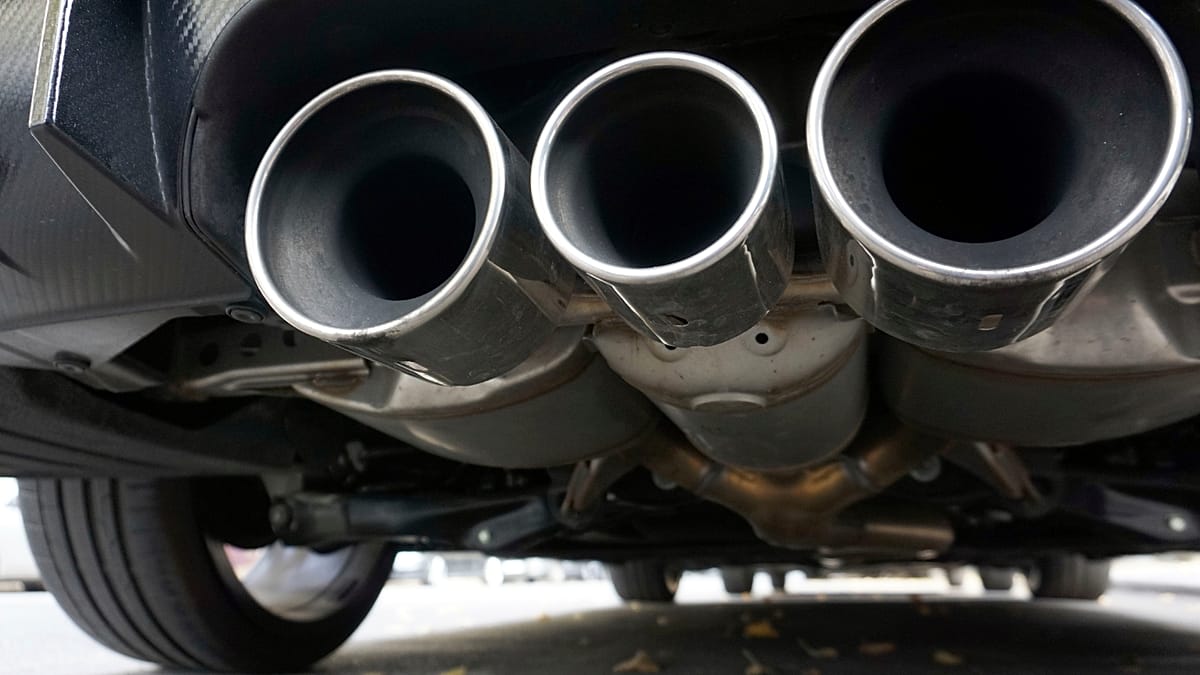
Azerbaijan is working to reduce aviation emissions while handling growing air traffic. From fuel-efficient aircraft and airport carbon accreditation to digital air navigation, the industry is exploring ways to make flying more sustainable.
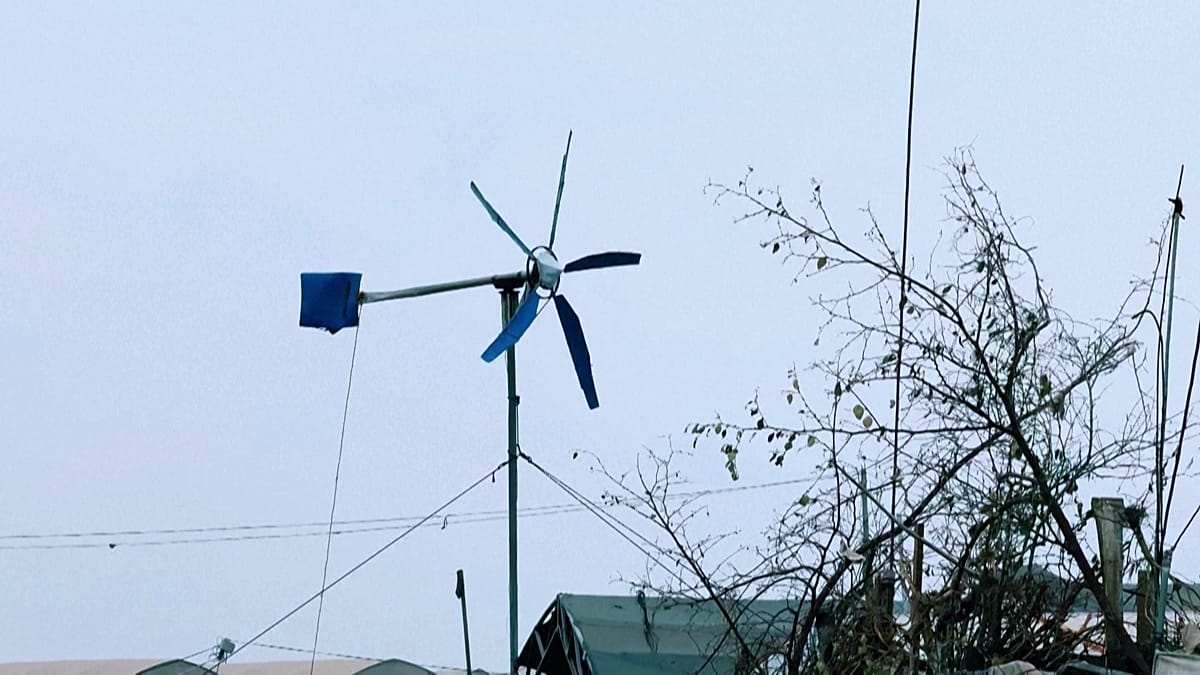
A displaced Palestinian in Gaza has built a makeshift wind turbine to bring electricity to tents in Khan Younis. Unable to afford solar panels, he has found a way to harness the wind to power everyday essentials.
Four weeks of flooding washed out roads and sent thousands fleeing their homes on the Navajo Reservation. But many worked hard to get to polling places and voting day became part of the recovery process.
The reversal marks a striking political U-turn from 2023, when the EU agreed to effectively end sales of new petrol and diesel cars by 2035. Today's vote to give carmakers more flexibility comes after heavy pressure from the auto sector and EU...
Ethiopia is looking to position itself as an African leader in clean energy, as it prepares to host next year’s COP32 climate summit. Alongside the GERD, the country is building another massive hydropower project on the Omo River in the southwest...
Democrats won by making inroads in several states where they have long struggled, boosted by a challenging political environment for the GOP dominated by voter frustration over high prices.
The years-long wait for access to the grid and new turbines is causing data center builders to turn to an unusual, less efficient and less environmentally friendly solution: once-discarded jet engines.
TechCrunch
We use cookies to improve your experience. By continuing to use this site, you agree to our use of cookies. Learn more