This strange material can become strong or fall apart in seconds
Scientists have found that staple-shaped particles can tangle together to create a material that is both strong and flexible. Unlike conventional materials, these particles can be locked into a sturdy structure or rapidly unraveled using vibrations...
schedule
11:54 visibility
2 views
Source: Science Daily

Scientists have found that staple-shaped particles can tangle together to create a material that is both strong and flexible. Unlike conventional materials, these particles can be locked into a sturdy structure or rapidly unraveled using vibrations. The unusual behavior could open the door to recyclable buildings, reconfigurable structures, and even futuristic robotic technologies.
A large-scale study suggests that men with higher levels of the amino acid tyrosine may have shorter lifespans, potentially losing close to a year of life expectancy. The finding is especially intriguing because tyrosine is commonly associated with...
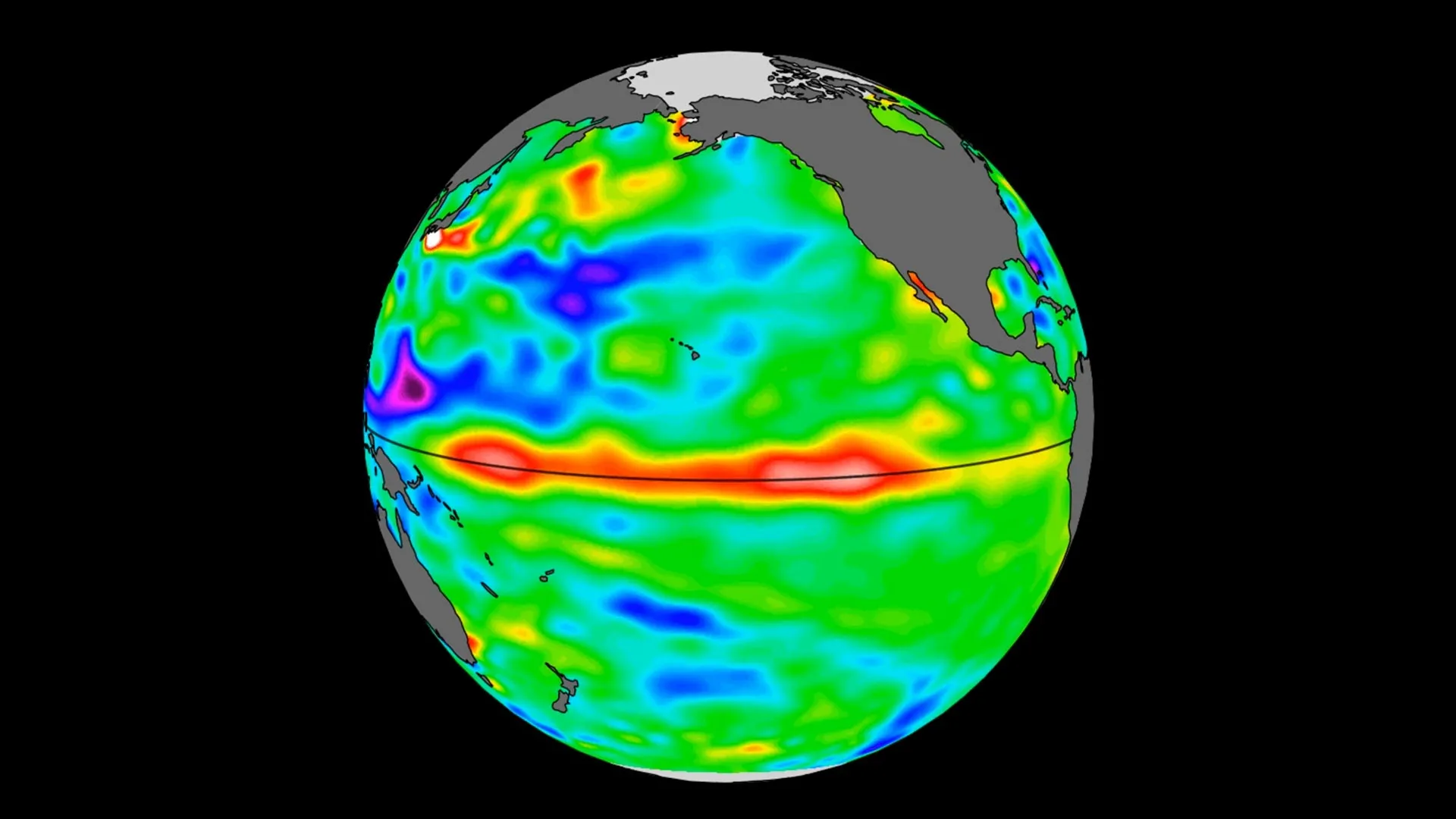
NASA satellites have detected a vast pulse of warm water reaching the coast of South America, signaling that El Niño is likely developing. The warm water is being carried eastward by massive ocean waves known as Kelvin waves, which also cause sea...
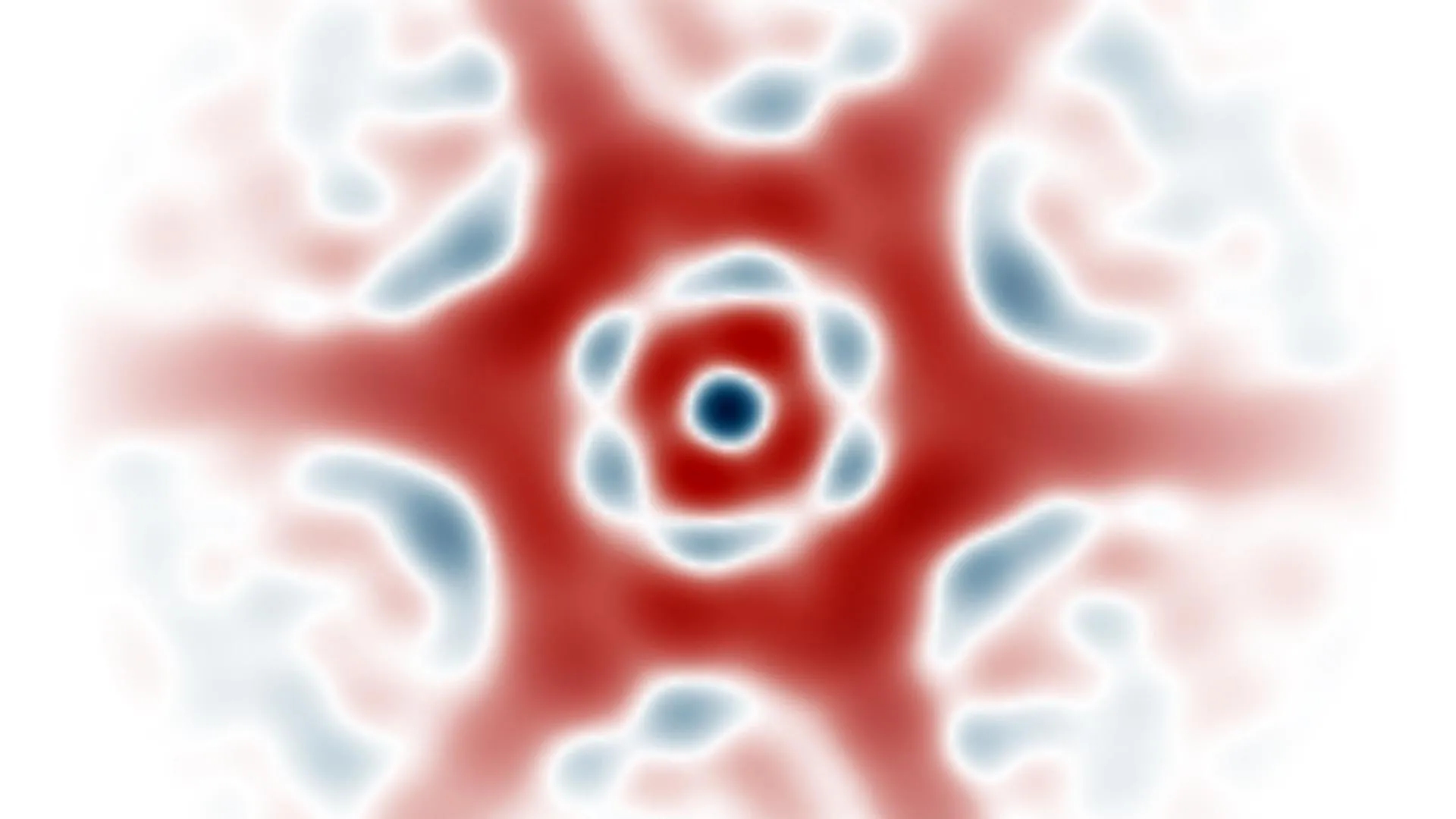
Oxford physicists have created an entirely new type of Schrödinger’s cat-like quantum state using components that are themselves highly quantum in nature. The advance could open new possibilities for more resilient quantum computers and deeper...
A new whey protein manufacturing technique could make protein shakes taste better and feel smoother in the mouth. Researchers traced unwanted bitterness to concentrated minerals and found a way to remove them without sacrificing the improved texture.
Researchers tracked honey bees in the wild using a drone-based system and found that each bee follows its own highly consistent flight path. Some repeated their routes so precisely that they flew only centimeters from where they had flown before...
What if some black holes aren’t black holes at all? A new theoretical study suggests that when a massive star collapses, it might not form a singularity hidden behind an event horizon. Instead, the collapse could trigger the birth of a tiny new...
Science Daily
We use cookies to improve your experience. By continuing to use this site, you agree to our use of cookies. Learn more