This new carbon material could make carbon capture far more affordable
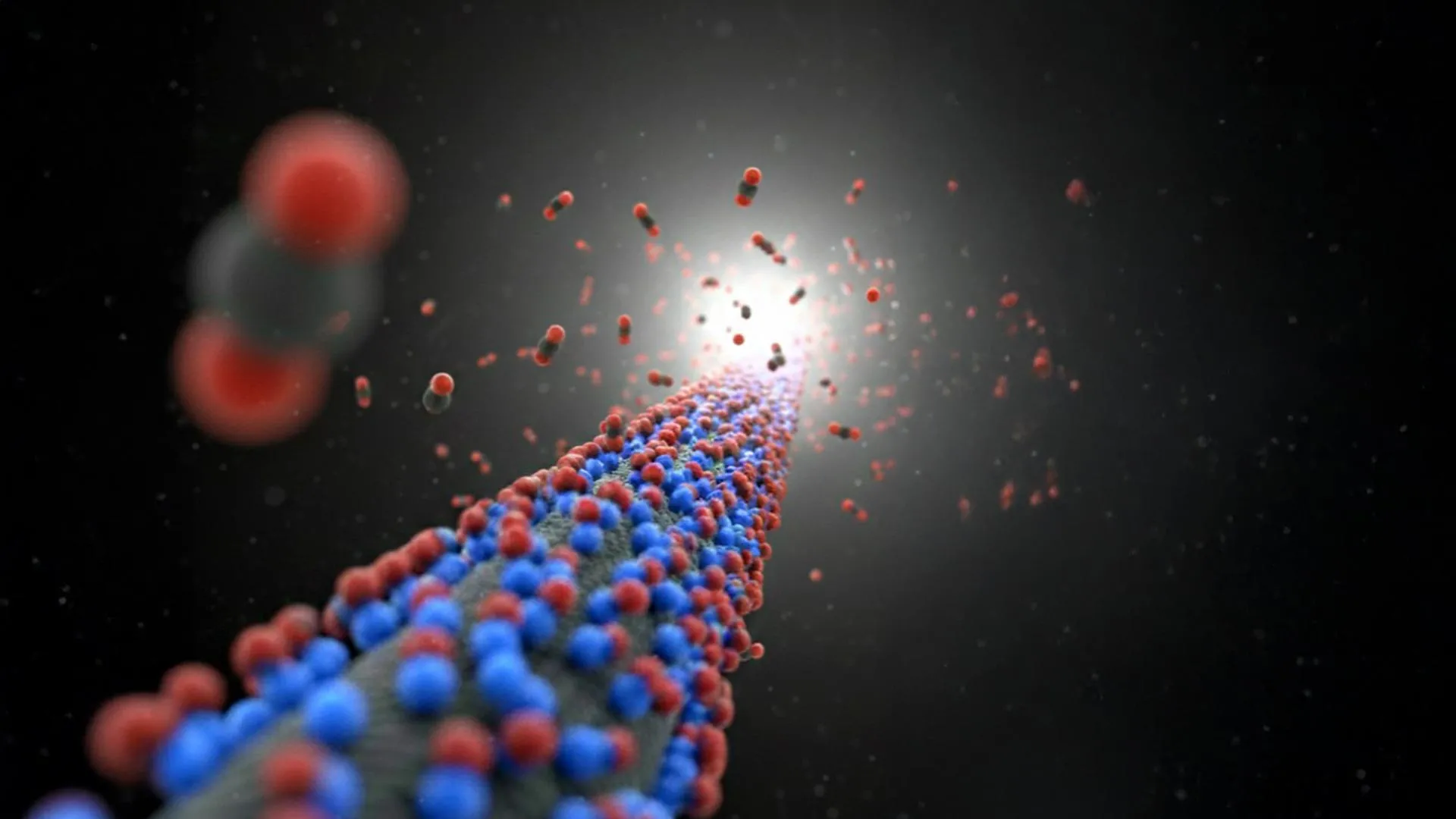
Scientists have created a new kind of carbon material that could make carbon capture much cheaper and more efficient. By carefully controlling how nitrogen atoms are arranged, they found certain structures capture CO2 better and release it using far...
schedule
12:05 visibility
160 views
Source: Science Daily
Scientists have created a new kind of carbon material that could make carbon capture much cheaper and more efficient. By carefully controlling how nitrogen atoms are arranged, they found certain structures capture CO2 better and release it using far less heat. One version works at temperatures below 60 °C, meaning it could run on waste heat instead of costly energy. The discovery offers a powerful new blueprint for next-generation climate technology.
Samsung's newest foldables are here. At Galaxy Unpacked, the company announced the Galaxy Z Flip 8, Galaxy Z Fold 8, and Galaxy Z Fold 8 Ultra. All three devices will be available on August 7th, but you can preorder them now starting at $1,199.99...
The long-held understanding among security researchers and network defenders is that it's impossible to negotiate in good faith with an extortion racket because there's no incentive for the other side to actually walk away.
It's a year of refinement for the Galaxy Watch. With the new Galaxy Watch 9 and Galaxy Watch Ultra 2, which are being announced today, Samsung is more or less taking what people like about its watches and tweaking those elements to be better. The...
Samsung is set to reveal a new slate of foldables at this summer’s Galaxy Unpacked, which kicks off at 9AM ET / 6AM PT from London. In addition to a Galaxy Z Fold 8 that adopts a wider form factor, Samsung is expected to reveal an upgraded Z...
Researchers discovered a proton-assisted mechanism that greatly improves how triplet energy moves between quantum dots and nearby molecules. The proton briefly shifts position, helps coordinate electron movement, and then returns to where it...
Science Daily
We use cookies to improve your experience. By continuing to use this site, you agree to our use of cookies. Learn more