
Skip to content
Advertisement
When Appliance Fail?

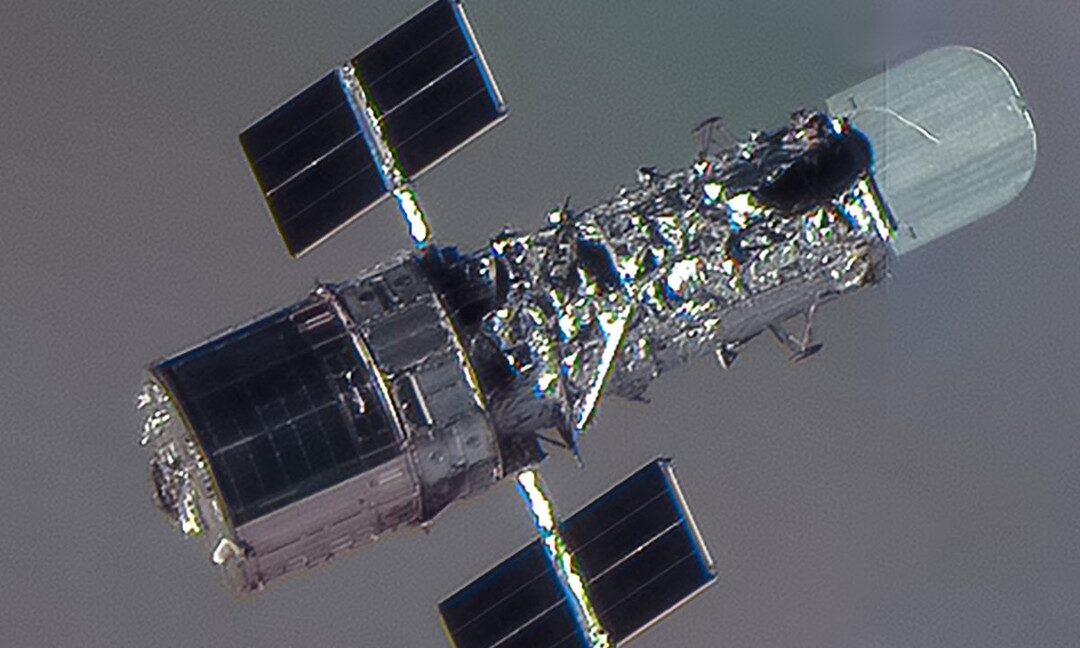
Think you can save the Hubble Space Telescope? NASA wants to know.

The space agency solicited ideas for reboosting Hubble four years ago, but they didn't go anywhere.

schedule 00:07 visibility 4 views
Think you can save the Hubble Space Telescope? NASA wants to know.
Source: Ars Technica

The Hubble Space Telescope still shines in the eyes of astronomers after 36 years in orbit, but it is not as nimble as it once was. Left alone, the observatory will plunge back into the atmosphere in the early-to-mid-2030s, closing the book on one of the most famous scientific instruments of the century.

NASA last raised the orbit of Hubble in 2002, when the Space Shuttle Columbia visited the observatory for a servicing mission. The final shuttle servicing flight in 2009 did not reboost the telescope's orbit, and with the retirement of the shuttle fleet two years later, Hubble has steadily lost altitude with no way to stave off eventual destruction.

The space agency released a Request For Information (RFI) on Thursday asking commercial companies for ideas on how to reboost, service, or a controlled disposal of Hubble. Responses are due November 30. Specifically, NASA is looking for information about companies' current and near-term capabilities for capturing Hubble and boosting it to an altitude of at least 373 miles (600 km), enhancing the telescope's performance through, or guiding Hubble to a controlled reentry.


Read full article

Comments

newspaper

Originally published at

Ars Technica

open_in_new Read Full Article

Related Articles

Read More

Anthropic is asking Wall Street to believe in AGI
Science

Anthropic is asking Wall Street to believe in AGI

Today on Decoder, I’m joined by Joey Brookhart, an analyst at the chip and AI research firm SemiAnalysis, to help me dig into the story inside the numbers of the Anthropic IPO filing — a document known as an S-1. Anthropic just filed its S-1 to go...

The Verge
Six popular sugar substitutes linked to faster brain aging
Science

Six popular sugar substitutes linked to faster brain aging

A study of nearly 13,000 adults found that people consuming the most artificial sweeteners experienced a 62% faster decline in memory and thinking skills, equivalent to approximately 1.6 additional years of brain aging. Six popular sweeteners were...

Science Daily
Your Appliance Broke?
Reliable Repair for