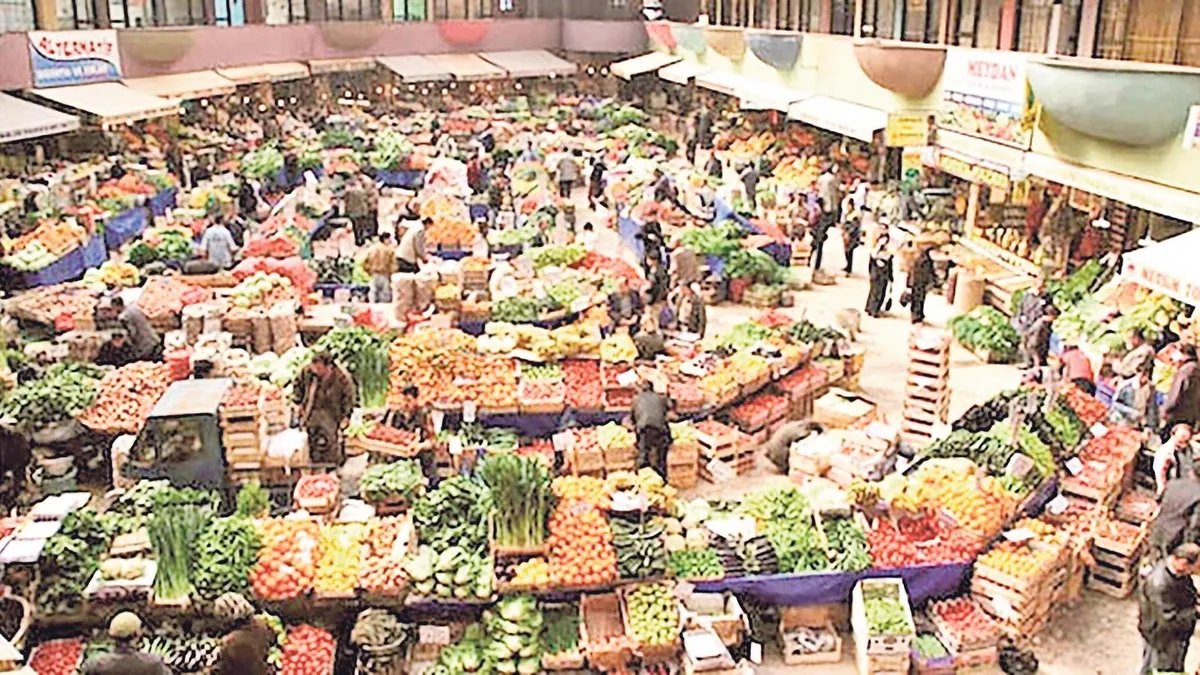
Sigh of relief in Africa as the Strait of Hormuz 'reopens'
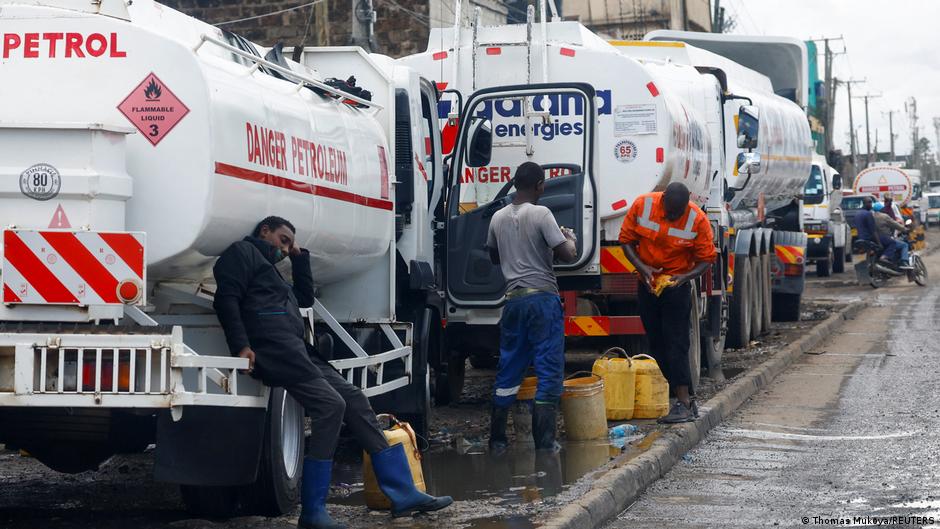
A potential US-Iran agreement could lower energy, fertilizer, and food prices in Africa if the Strait of Hormuz fully reopens. Oil exporters such as Nigeria and Angola might have to cope with less revenue, experts say.

schedule
10:25 visibility
4 views
Source: DW News
A potential US-Iran agreement could lower energy, fertilizer, and food prices in Africa if the Strait of Hormuz fully reopens. Oil exporters such as Nigeria and Angola might have to cope with less revenue, experts say.
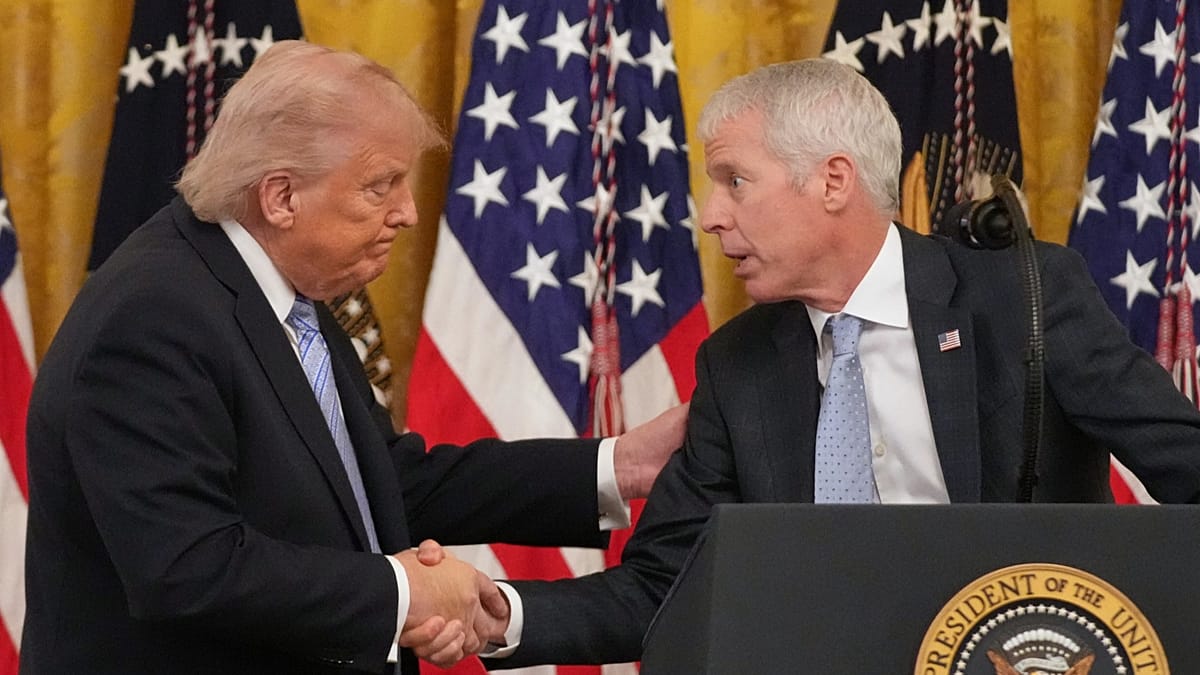
Os presidentes do Brasil e dos EUA estão no mesmo local pela primeira vez desde que Washington anunciou a possibilidade de uma nova taxação às importações brasileiras, ampliando as expectativas para uma negociação direta.
Le nouveau président de la banque centrale américaine est confronté à l’accélération de la hausse des prix liée au conflit au Moyen-Orient, alors que le président l’a choisi en espérant qu’il baisserait les taux d’intérêt.
A dozen Israeli company stands were shut down Monday at a major international defence and security exhibition held outside Paris, sparking outrage from authorities in Israel. Tensions have persisted in French-Israeli relations, with France...
Ahead of his arrival in the French Alps for a G7 summit, US President Donald Trump said in a media interview that the US had "no choice" but to impose 100% tariffs on French wines if Paris didn't scrap its digital services tax on tech firms. French...
A China aumentou significativamente as retenções de navios com bandeira panamenha em portos chineses após uma decisão desfavorável a uma empresa que administrava dois importantes portos do Canal do Panamá
One of #Ukraine's most important religious landmarks was hit in an overnight Russian attack on June 15. Ukrainian President Volodymyr #Zelensky visited the cathedral and called for more pressure on Russian President Vladimir #Putin ahead of his...
A proposed US-Iran deal to reopen the Strait of Hormuz is raising hopes for global shipping and oil markets. But naval mines, high insurance costs and geopolitical risks mean disruption could persist for months.
DW News
We use cookies to improve your experience. By continuing to use this site, you agree to our use of cookies. Learn more