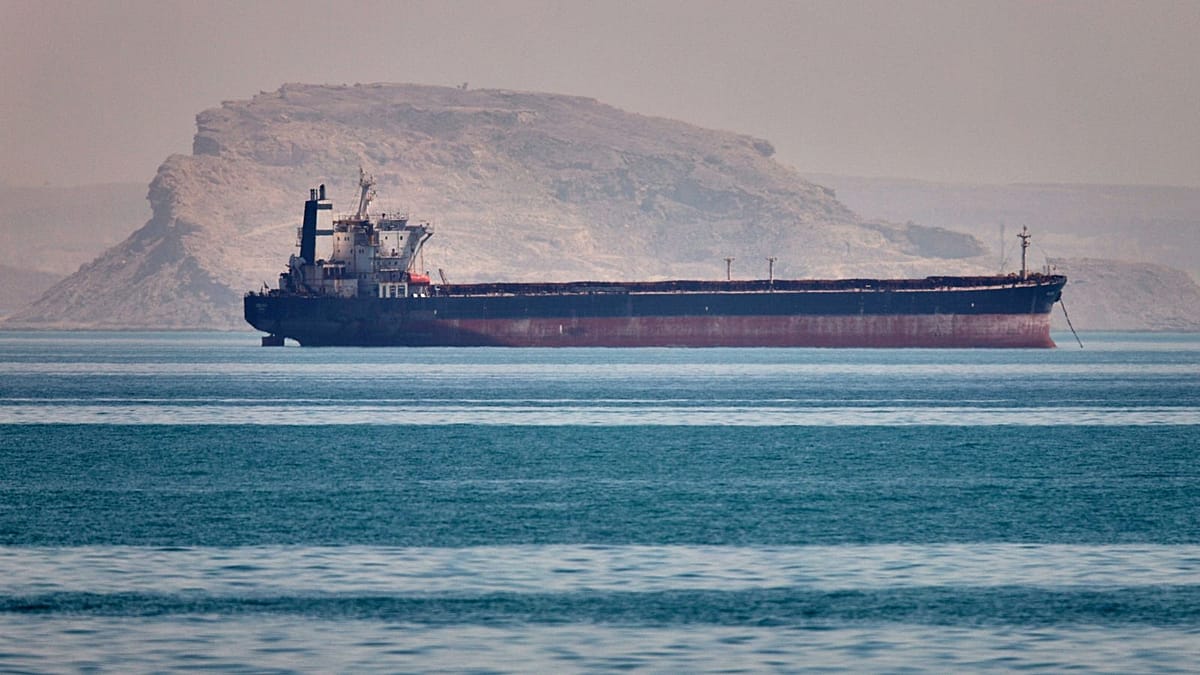
Ship hit in Hormuz as Iran's top negotiator says strait to stay shut
Parliament speaker Ghalibaf said the waterway would remain closed until Washington lifted its naval blockade, released frozen Iranian assets and dropped oil sanctions, as an unidentified projectile hit a ship transiting the strait, causing at least...
schedule
09:52 visibility
5 views
Source: Euronews
Parliament speaker Ghalibaf said the waterway would remain closed until Washington lifted its naval blockade, released frozen Iranian assets and dropped oil sanctions, as an unidentified projectile hit a ship transiting the strait, causing at least one casualty.
Ukraine's parliament reconvenes on Tuesday with the defence and foreign ministries still without permanent heads, a month after President Volodymyr Zelenskyy abruptly dismissed Mykhailo Fedorov as defence minister.
Zambian President Hakainde Hichilema won a second term on Tuesday after campaigning on his record of economic recovery, including a major debt restructuring deal. The 64-year-old faces pressure to deliver more jobs and opportunities as critics...
The California Democrat has admitted to "personal mistakes" outside of his marriage, but also says his actions were consensual in nature did not violate House Ethics rules.
Israeli Prime Minister Benjamin Netanyahu and US envoy Jared Kushner agreed Monday that an American general would oversee the disarmament of Hamas, an Israeli official said, as Netanyahu insisted Israel would not withdraw from Gaza until the group...
Mit seinem Besuch auf der umstrittenen Insel der Kurilen macht der russische Präsident Putin Wahlkampf. Im September wird das Parlament in Moskau neu gewählt. Er will auch Japans Premierministerin Takaichi schwächen.
The meeting comes amid a stalled post-war Gaza plan and after an Israeli minister called for more Palestinians to be killed in the enclave. Meanwhile, Iran says it is finalizing a deal with Oman on the Strait of Hormuz.
Kolumbien und Venezuela wenden sich nach diplomatisch schwierigen Jahren Israel zu. Andere Länder Südamerikas ziehen nach. Doch Brasilien und Mexiko zeigen die Grenzen dieses regionalen Neuausrichtungsprozesses auf.
DW Deutsch
We use cookies to improve your experience. By continuing to use this site, you agree to our use of cookies. Learn more