Scientists turn Starlink into a giant scanner for Earth’s upper atmosphere
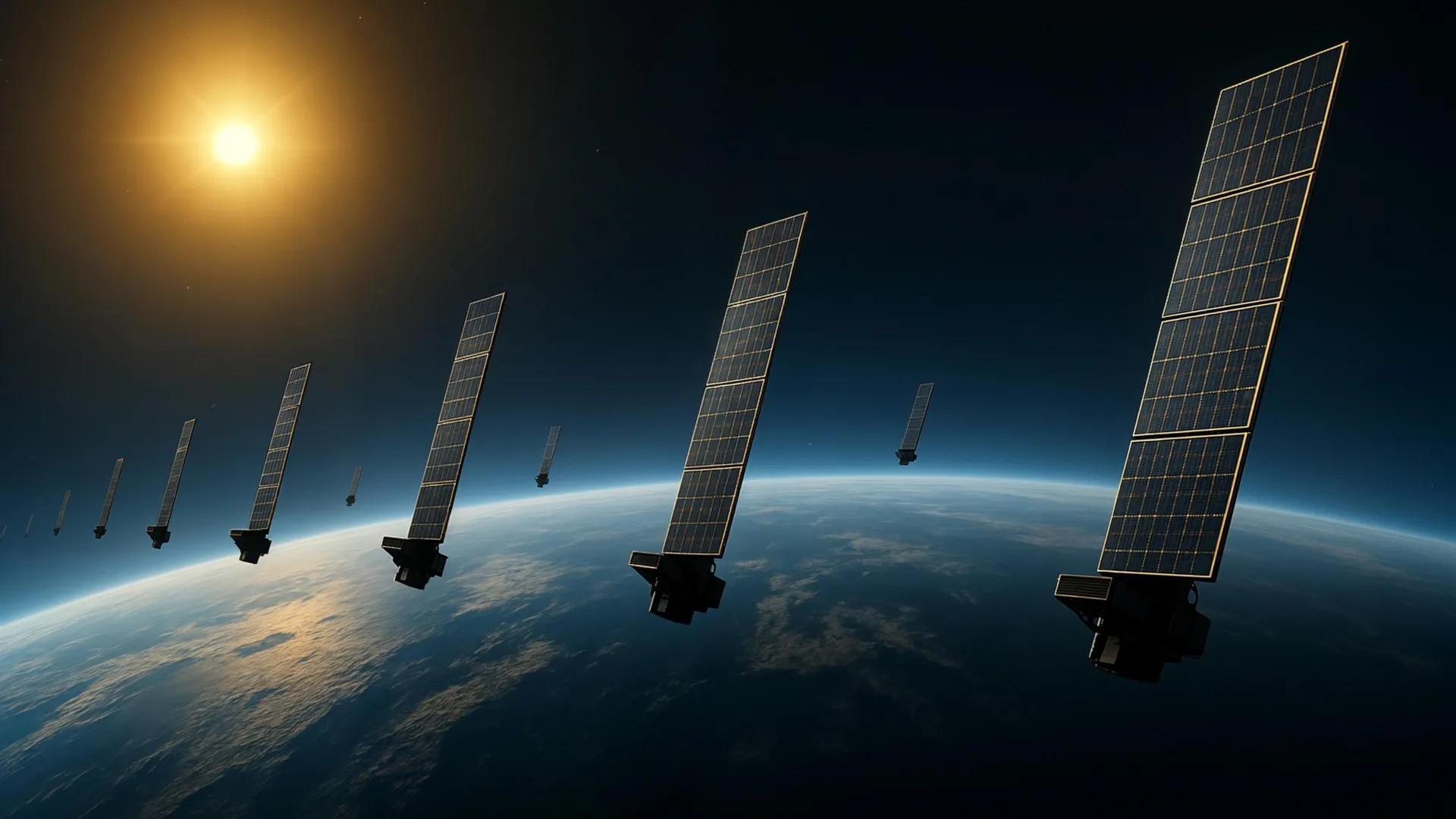
Researchers have found a clever new way to map a part of Earth’s upper atmosphere that is notoriously difficult to observe. Using orbital data from roughly 1,200 Starlink satellites, they reconstructed changes in atmospheric density about 500...
schedule
13:38 visibility
46 views
Source: Science Daily

Researchers have found a clever new way to map a part of Earth’s upper atmosphere that is notoriously difficult to observe. Using orbital data from roughly 1,200 Starlink satellites, they reconstructed changes in atmospheric density about 500 kilometers above Earth. The approach could sharpen satellite tracking and help reduce the growing risk of collisions in increasingly crowded orbits.
Google's AI chip-equipped satellite has generated its first response from space. In a blog post on Friday, Google says it successfully booted up the satellite's Tensor Processing Units (TPUs), allowing the on-board Gemma 4 model to follow through on...
Modern smart TVs let you skip the streaming device, which is convenient, but they also come with their own issues, including privacy concerns and frequent updates. The Vizio Mini LED Quantum TV lets you cut out the rigamarole and just get straight...
In this edition of Access Asia, we explore why anti-Indian sentiment is rising in the United States in the wake of the foiled plot targeting a Hindu temple in Illinois. We ask the executive director of the Center for the Study of Organized Hate...
Premières manifestations, premiers débats, premiers engagements militants… Pour de nombreux jeunes, le mouvement lycéen coïncide avec une prise de conscience politique accrue qui transforme leur quotidien, à six mois d’une élection présidentielle à...
Today on Decoder, I’m joined by Joey Brookhart, an analyst at the chip and AI research firm SemiAnalysis, to help me dig into the story inside the numbers of the Anthropic IPO filing — a document known as an S-1. Anthropic just filed its S-1 to go...
A study of nearly 13,000 adults found that people consuming the most artificial sweeteners experienced a 62% faster decline in memory and thinking skills, equivalent to approximately 1.6 additional years of brain aging. Six popular sweeteners were...
Science Daily
We use cookies to improve your experience. By continuing to use this site, you agree to our use of cookies. Learn more