Scientists detect a nuclear reactor’s ghostly afterglow for the first time
Nuclear reactors may go dark, but their fuel continues producing a faint antineutrino “glow” long after shutdown. Researchers have now detected that residual signal for the first time, finding it closely matched predictions of radioactive decay...
schedule
13:16 visibility
6 views
Source: Science Daily

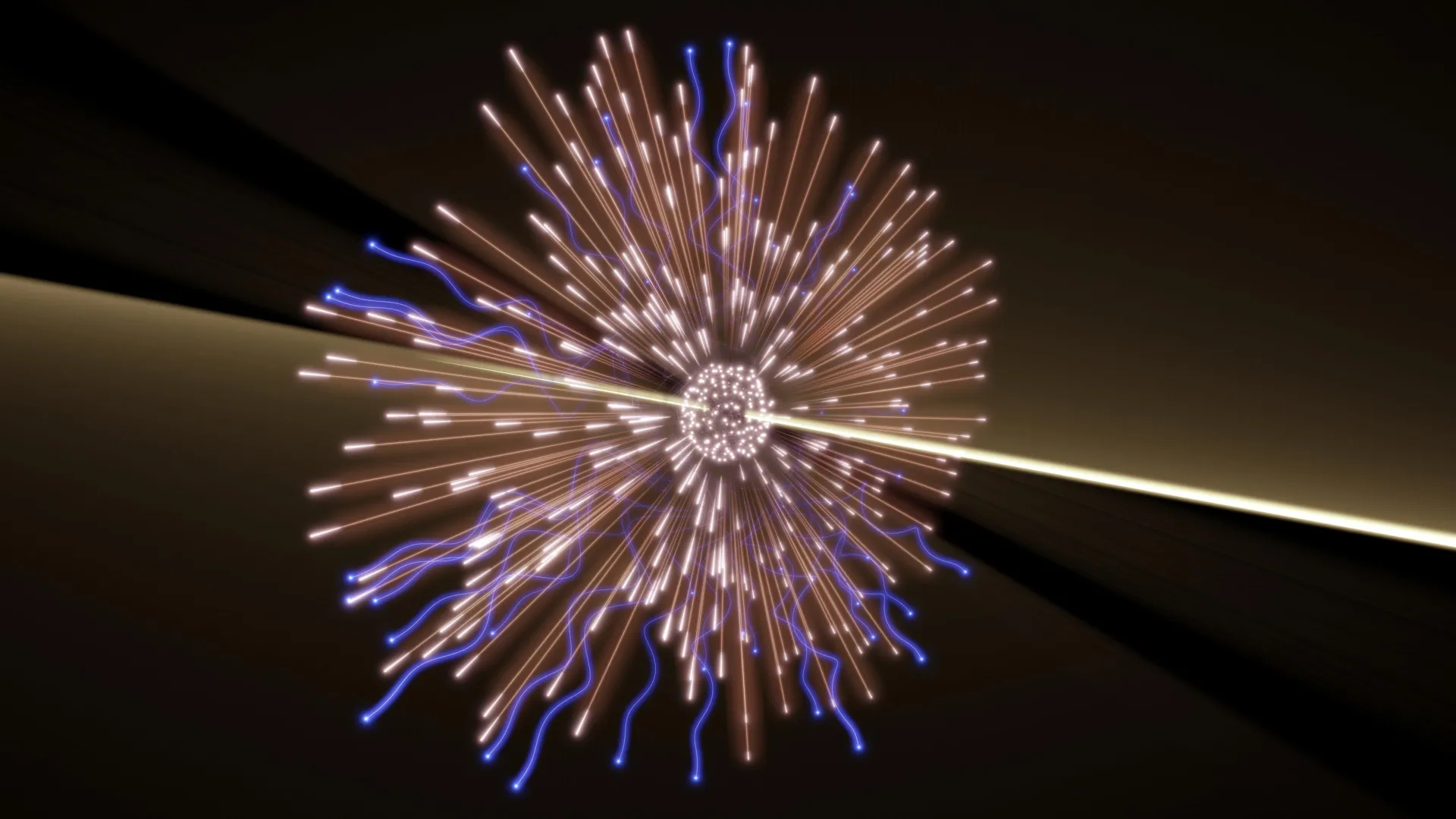
Nuclear reactors may go dark, but their fuel continues producing a faint antineutrino “glow” long after shutdown. Researchers have now detected that residual signal for the first time, finding it closely matched predictions of radioactive decay inside the reactor and nearby spent-fuel pools. The breakthrough suggests antineutrino detectors could eventually monitor reactors even when they are offline.
Dans une décision rendue le 14 août, l’institution assure « la liberté personnelle » d’un malade d’accéder à l’administration d’une substance létale à sa demande et après accord d’un médecin. En revanche, la décision exempte les établissements...
A tiny superconducting engine has successfully converted heat near absolute zero into useful work, demonstrating the first cyclic quantum heat engine of its kind. Future versions could operate autonomously inside quantum computers, potentially...
Clip earbuds are an exercise in compromise. It's an inherent aspect of their design - and physics. They can be more comfortable for people that don't like something jammed in their ear, but sound response suffers. Ambient awareness is great because...
A surprising stress-related signal may help the brain repair itself after injury. Researchers found that myelin-producing precursor cells rapidly release the stress hormone CRH near damaged brain tissue, helping control how those cells mature and...
In tonight's program, mourners gather in memory of the 44 people killed in Tuesday's ferry accident. Also, ballot counting has started in Zambia, President Hichilema's is expected to win a second term. And finally researchers, reckon that the rising...