
Skip to content
Advertisement
When Appliance Fail?

Researchers get two genetic codes to work at the same time

Messing with the genetic code might have gotten a bit easier to do.

schedule 15:00 visibility 31 views
Researchers get two genetic codes to work at the same time
Source: Ars Technica

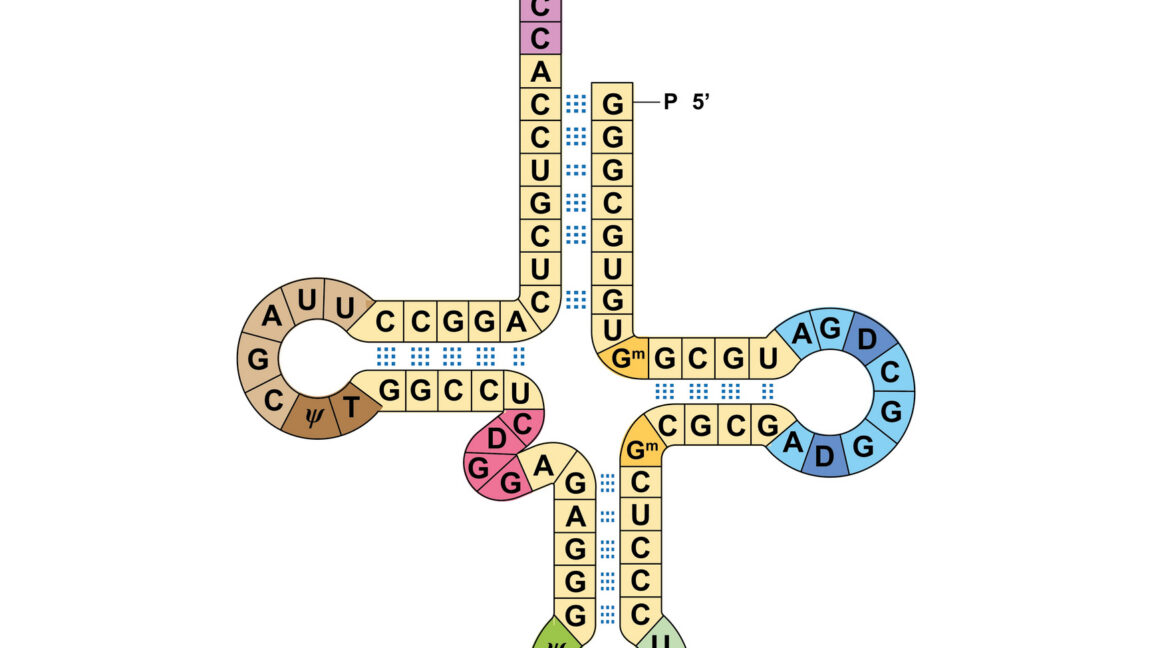
The genetic code is what life everywhere uses to convert the information contained in DNA into specific protein sequences. With minor variations, the same genetic code is used by every living thing on Earth, suggesting it was already present in the last common ancestor of all of it. It's not an easy thing to change, because so many things in every cell depend on it.

Nevertheless, some preliminary steps have been taken. Researchers have managed to add some new amino acids to a bacterial cell and were able to make proteins that were one amino acid less than usual. But it's a slog; for some of this work, people have had to re-engineer every single gene in a bacterial genome.

Now, researchers have found a way to operate two separate genetic codes simultaneously, avoiding the need to do any work to compensate for altering the code that every protein in a cell relies on. They didn't test it in an actual cell, and it might cause some problems there. But it's a creative solution that should accelerate some synthetic biology work.


Read full article

Comments

newspaper

Originally published at

Ars Technica

open_in_new Read Full Article

Related Articles

Read More

Anthropic is asking Wall Street to believe in AGI
Science

Anthropic is asking Wall Street to believe in AGI

Today on Decoder, I’m joined by Joey Brookhart, an analyst at the chip and AI research firm SemiAnalysis, to help me dig into the story inside the numbers of the Anthropic IPO filing — a document known as an S-1. Anthropic just filed its S-1 to go...

The Verge
Six popular sugar substitutes linked to faster brain aging
Science

Six popular sugar substitutes linked to faster brain aging

A study of nearly 13,000 adults found that people consuming the most artificial sweeteners experienced a 62% faster decline in memory and thinking skills, equivalent to approximately 1.6 additional years of brain aging. Six popular sweeteners were...

Science Daily
Your Appliance Broke?
Reliable Repair for