Quantum breakthrough links light and magnetism in atomically thin materials
A new review highlights exciting progress in atomically thin quantum materials where light and magnetism work together in ways never before possible. In these materials, light-generated excitons can interact directly with magnetic behavior, creating...
schedule
04:16 visibility
5 views

Source: Science Daily

A new review highlights exciting progress in atomically thin quantum materials where light and magnetism work together in ways never before possible. In these materials, light-generated excitons can interact directly with magnetic behavior, creating opportunities to control magnetic states using light alone. Scientists believe this could pave the way for advanced optical memory, quantum devices, and ultra-efficient photonic technologies.
More people have favourable views of China than the United States in 25 out of 36 countries and territories surveyed, including Canada and Mexico, according to a new poll by the Pew Research Center released on Wednesday. Views were also more...
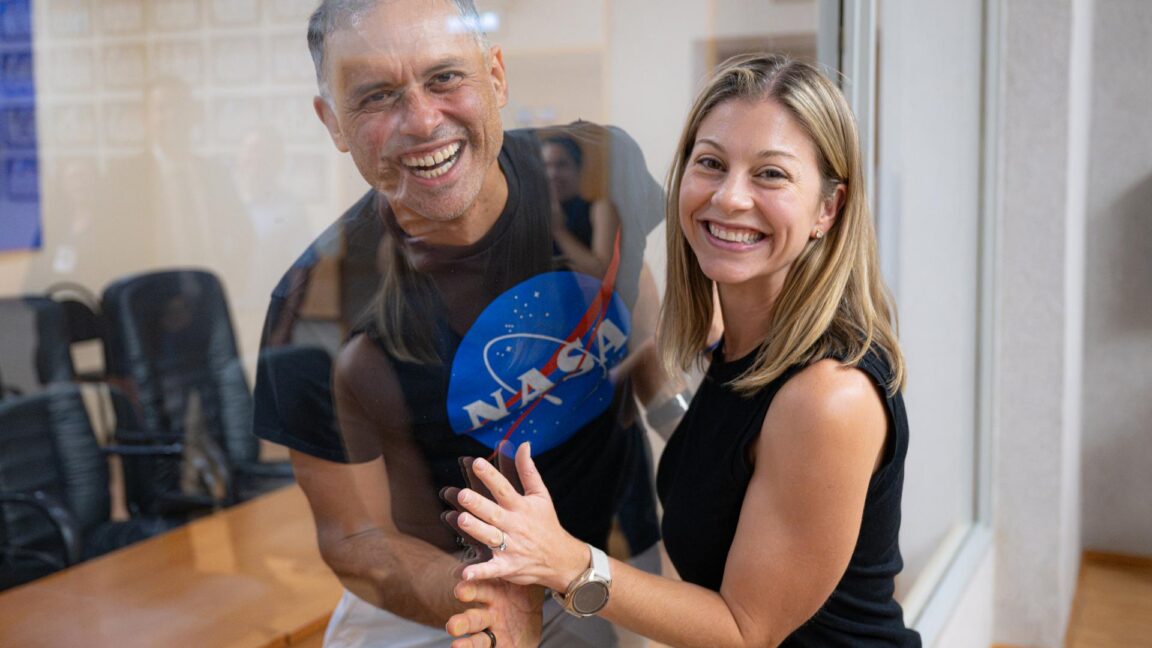
Could an intergalactic space warrior become the #UK's newest member of #parliament? Now that he is the only likely challenger to Nigel #Farage's seat in the #Clacton-on-Sea by-election, the chances of him entering the House of Commons have never...
Samsung gave a sneak peek of the "brand new shape" for its upcoming Galaxy Z Fold 8 in a new teaser for Spider-Man: Brand New Day. The video includes a few shots of Spidey taking a foldable phone off a 3D printer and opening it book-style, but each...
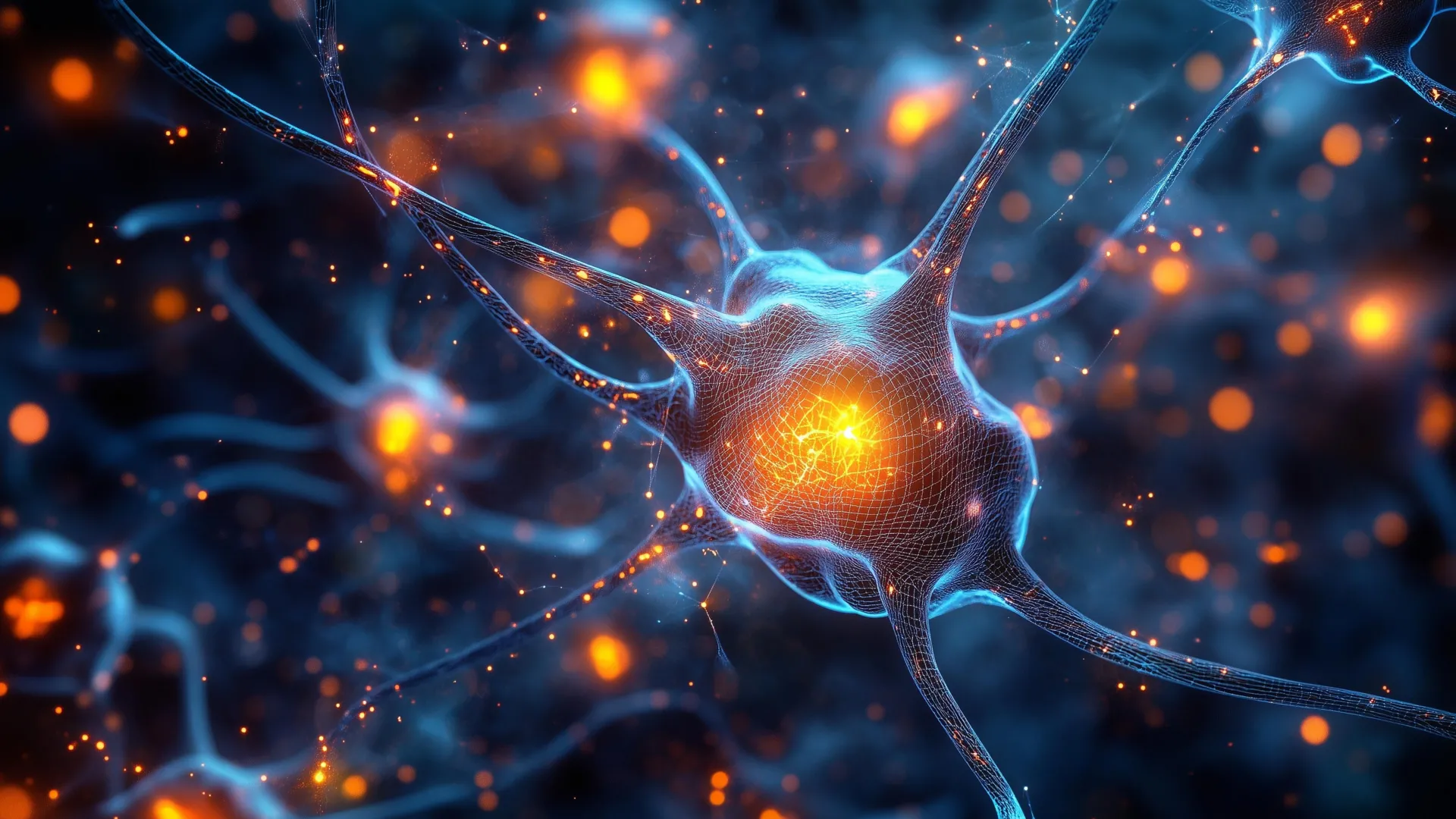
Researchers have discovered that a microscopic skeleton inside neurons does much more than hold cells together. It acts as a gatekeeper that controls what brain cells absorb and when they absorb it. When this protective structure weakens, neurons...
Humans are often described as the planet's ultimate "super-predator," but wild animals do not fear every human the same way. After analyzing three decades of research, scientists found that animals become much more alert and spend less time feeding...
Science Daily
We use cookies to improve your experience. By continuing to use this site, you agree to our use of cookies. Learn more