Putin says all weapons 'on agenda' if Russia's Kaliningrad attacked
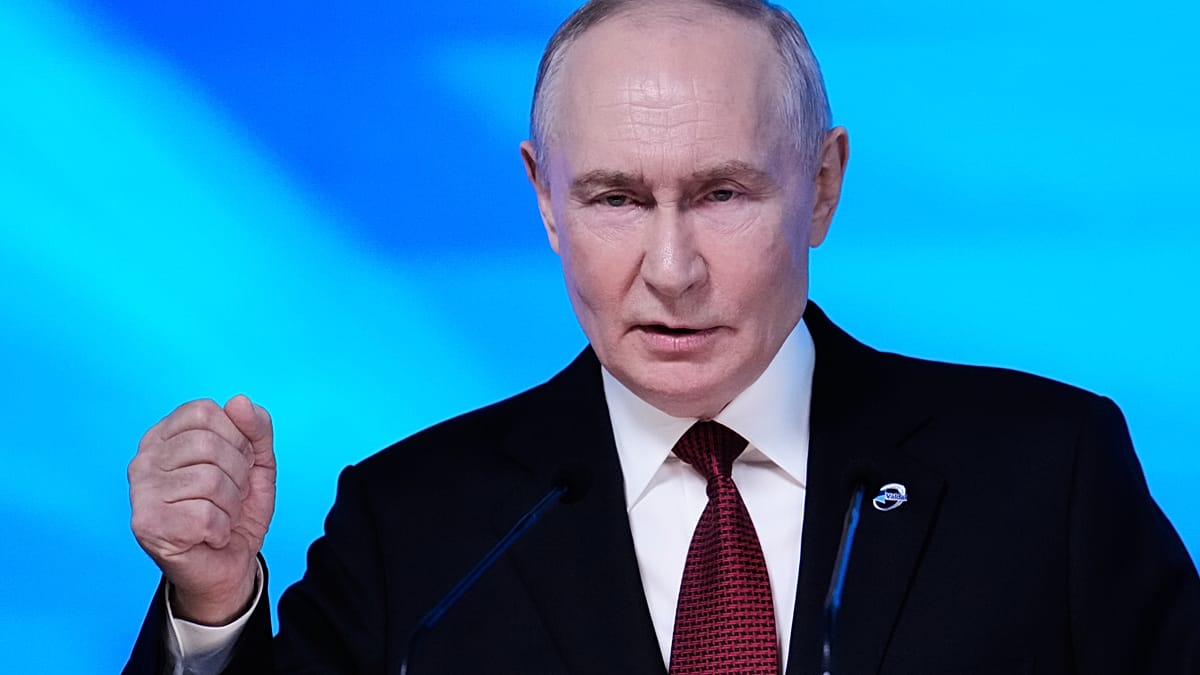
Russia would consider using "all types of weapons" if its exclave of Kaliningrad was attacked, Russian President Vladimir Putin said Thursday, while insisting that Moscow had "no intention of attacking anyone."
schedule
14:44 visibility
4 views
Source: Euronews

Russia would consider using "all types of weapons" if its exclave of Kaliningrad was attacked, Russian President Vladimir Putin said Thursday, while insisting that Moscow had "no intention of attacking anyone."
He was still relatively unknown in Brazil just a few months ago. The 45-year-old senator is now neck and neck with incumbent President Lula in the polls for the upcoming presidential election. Flavio Bolsonaro's victory would add Brazil to the long...
NAZA is an acronym for nezek agavi, Hebrew for "collateral damage." It refers to the number of civilian casualties the Israeli military deems acceptable. The documentary is made by Israeli filmmakers.
The USS Theodore Roosevelt left San Diego on Sunday accompanied by a Marine expeditionary unit of more than 2,000 troops, bringing the potential total US military presence in the region to more than 60,000.
Russian airstrikes hit Kyiv’s Southern Bridge, the city’s mayor said on Friday. Russia also targeted a school and apartment buildings in the capital, killing at least one person. Ukraine, meanwhile, launched an overnight drone attack on the Russian...
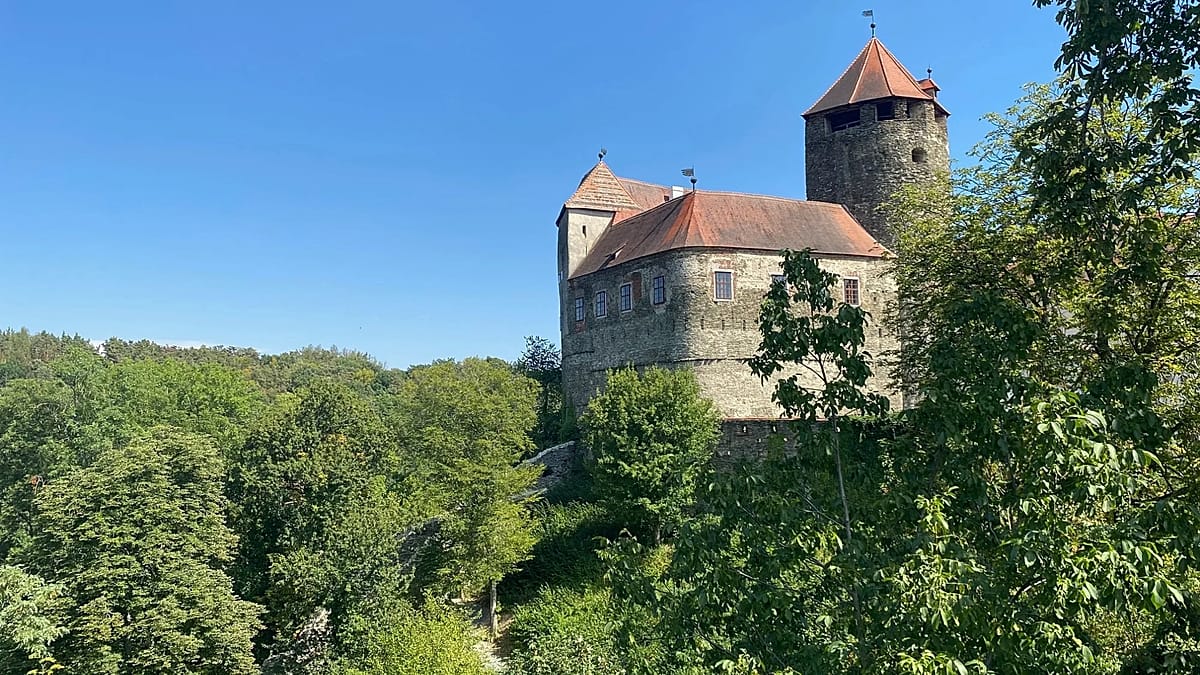
Celtic tribes, Roman soldiers and medieval knights paved the way in the forests of the Eastern Alps. These trails are still there and can be discovered by history lovers during a sunny autumn weekend.
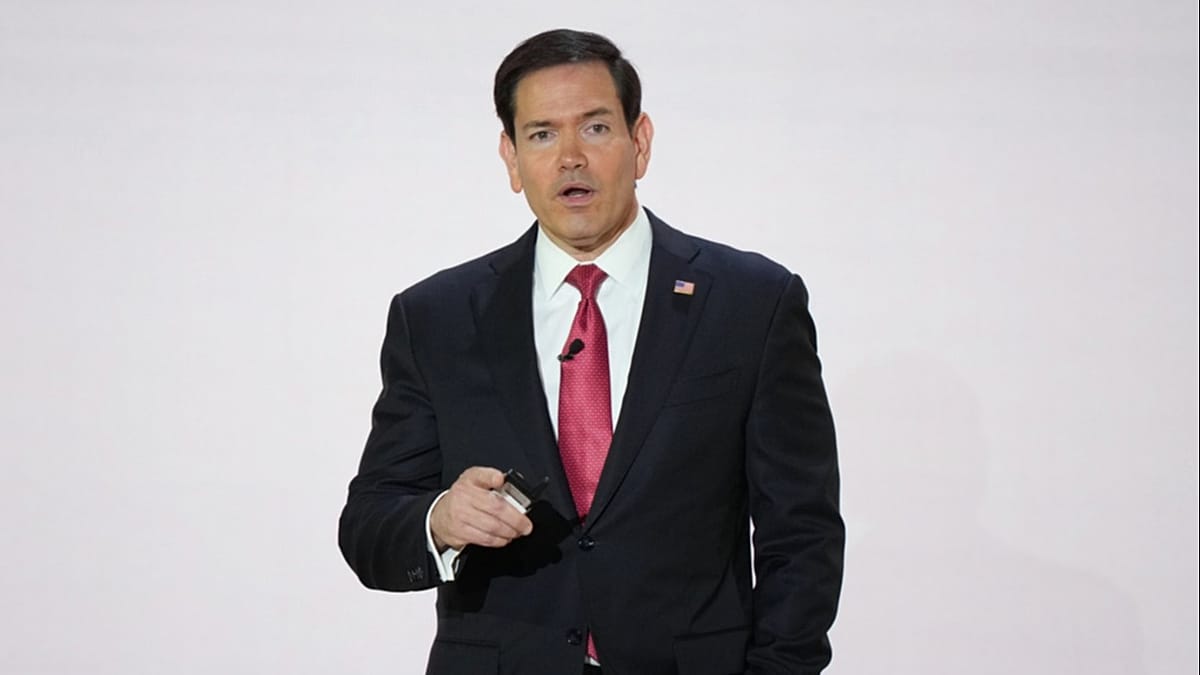
Top US diplomat Marco Rubio signed off on the waiver but argued that Washington’s concerns over its Middle Eastern ally’s human rights record will remain a point of discussion in full bilateral discussions.
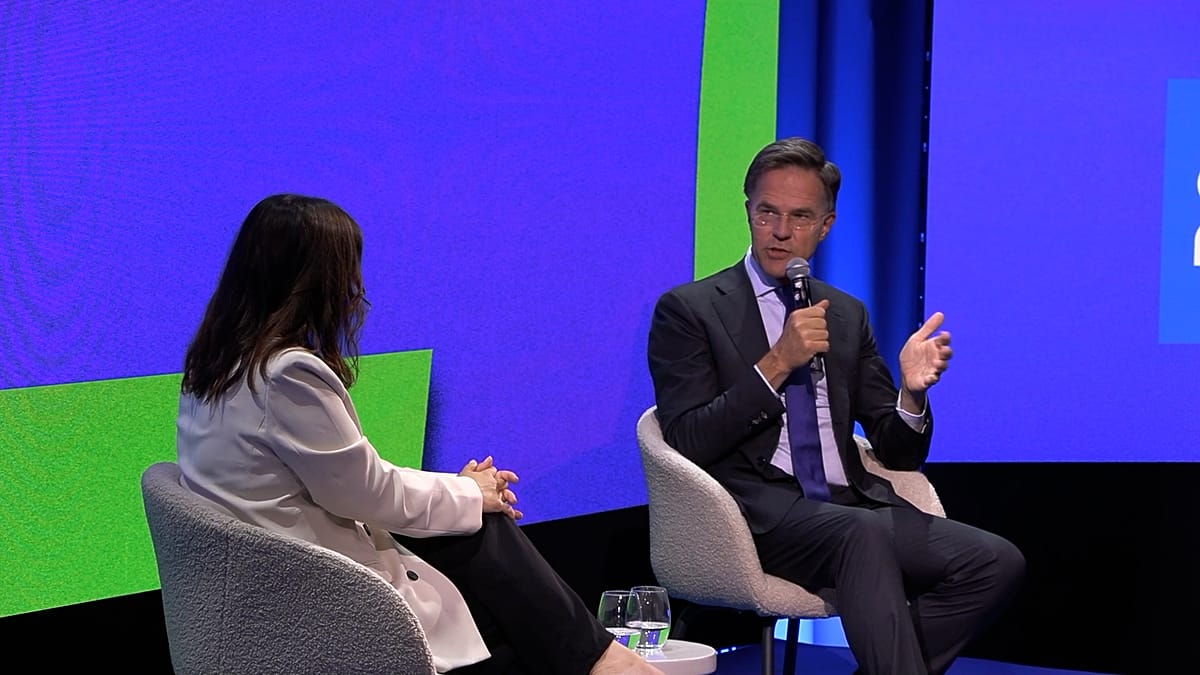
NATO Secretary General Mark Rutte spoke exclusively to Euronews about the most pressing challenges facing the alliance, including overreliance on the US and Russia's nuclear threat. Watch the interview here.
Euronews
We use cookies to improve your experience. By continuing to use this site, you agree to our use of cookies. Learn more