Popular sugar substitute linked to brain damage and stroke risk
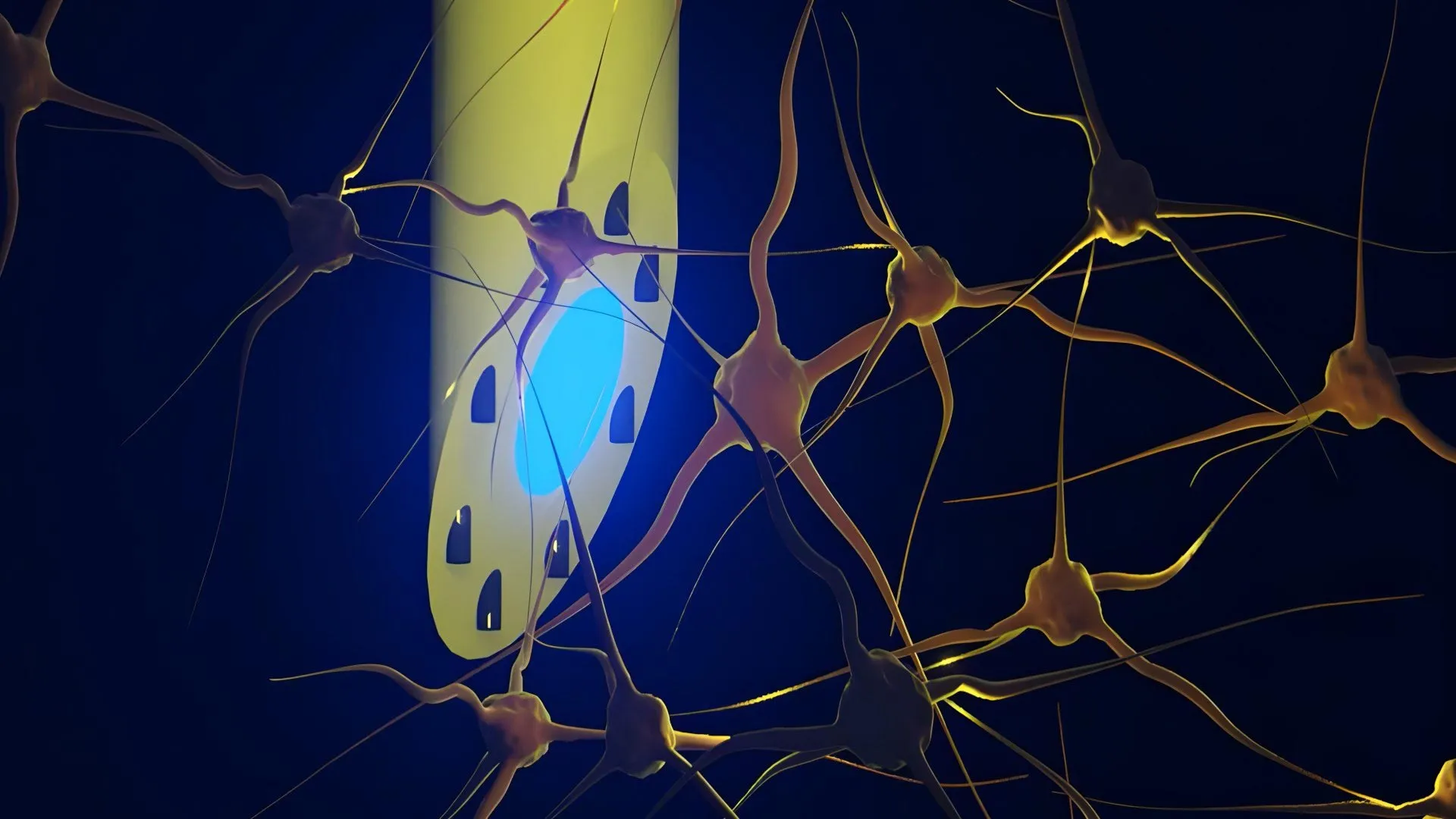
A widely used sugar substitute found in everything from keto snacks to diet drinks may not be as harmless as it seems. New research shows that erythritol can disrupt brain blood vessel cells, reducing their ability to relax, increasing harmful...
schedule
11:01 visibility
195 views

Source: Science Daily

A widely used sugar substitute found in everything from keto snacks to diet drinks may not be as harmless as it seems. New research shows that erythritol can disrupt brain blood vessel cells, reducing their ability to relax, increasing harmful oxidative stress, and impairing the body’s ability to break down clots. These changes create conditions that could raise stroke risk, even at typical consumption levels.
A Syrian man has been reunited with his collection of over 100 Islamic texts, science books and poems,15 years after sealing the collection behind a wall. Mustafa Khaled Alwan had built to conceal the library, which would likely have landed in...
Meta has issued a patch for its Muse macOS app following the discovery of a zero-day vulnerability that could allow someone to take control of the AI agent. The bug found by security researcher Patrick Wardle utilized an undocumented Muse setting...
Apple is preparing to open a new "state-of-the-art" live music venue in the UK, a 600-capacity space for hosting performances, recording sessions, and video broadcasts. The venue, called Apple Music Hall, is located underneath Apple's European...
In 44,280 trials involving three versions of Alibaba’s Qwen model, researchers offered them a button that could stop the pain-like signal but instead give a user a painful electric shock, delete their files or photographs, or make the model’s next...
The Federal Aviation Administration launched an ambitious $875-million-dollar push to make the U.S. airspace more efficient. But critics say it won't solve bigger problems with air traffic control.
A new needle-thin brain implant can record neural activity, deliver drugs, and stimulate multiple brain regions using a single flexible fiber. Successful tests in mice suggest it could give scientists a more precise, less invasive way to study the...
Science Daily
We use cookies to improve your experience. By continuing to use this site, you agree to our use of cookies. Learn more