NASA's Perseverance just completed a marathon on Mars
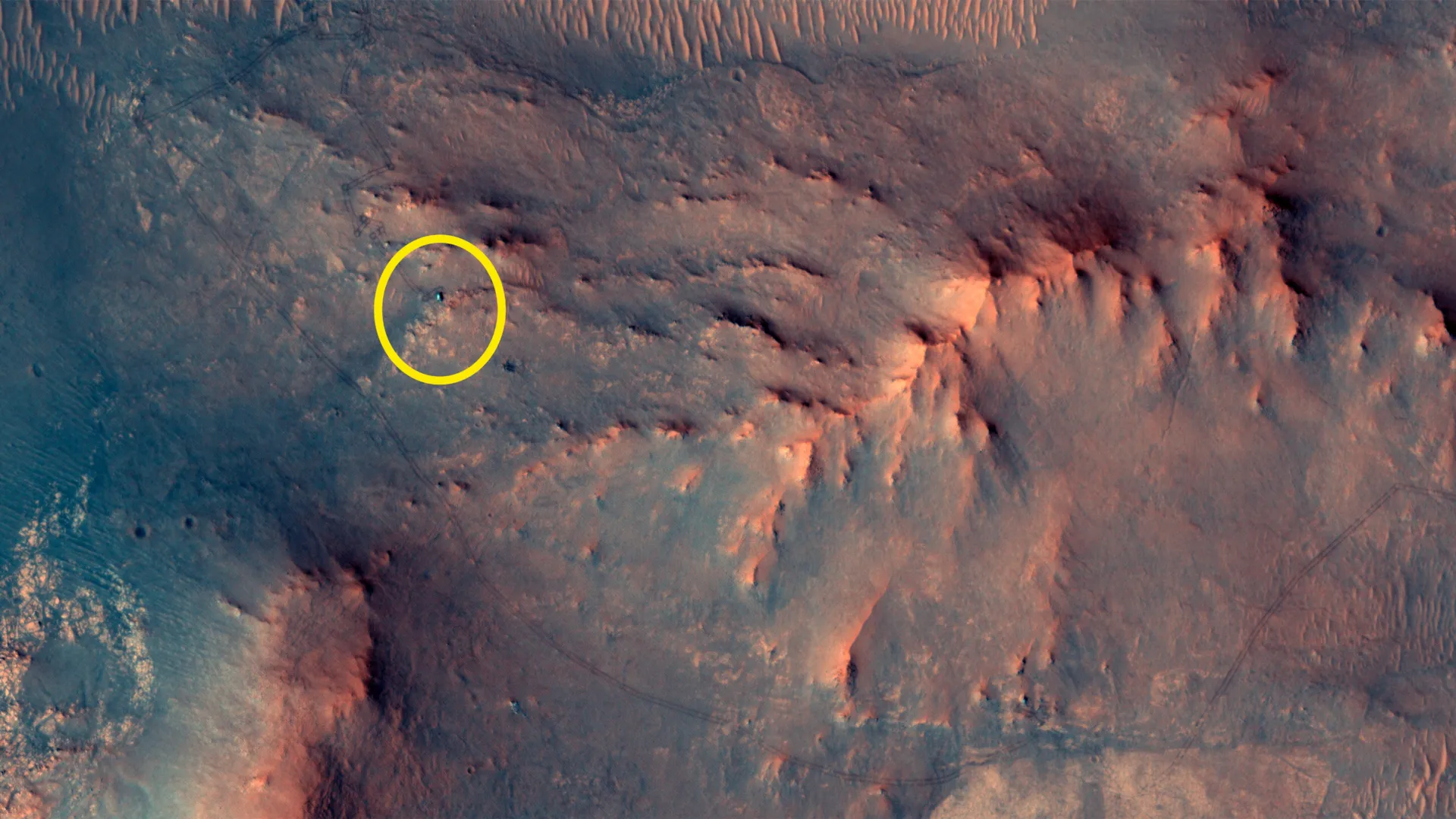
NASA's Perseverance rover has reached an impressive new milestone on Mars, completing the equivalent of a full marathon by driving 26.2 miles (42.195 kilometers) across the Red Planet. It accomplished the feat in just five years and four months...
schedule
05:32 visibility
4 views
Source: Science Daily

NASA's Perseverance rover has reached an impressive new milestone on Mars, completing the equivalent of a full marathon by driving 26.2 miles (42.195 kilometers) across the Red Planet. It accomplished the feat in just five years and four months, reaching the distance on its 1,890th Martian day, less than half the time it took the previous record holder, NASA's Opportunity rover.
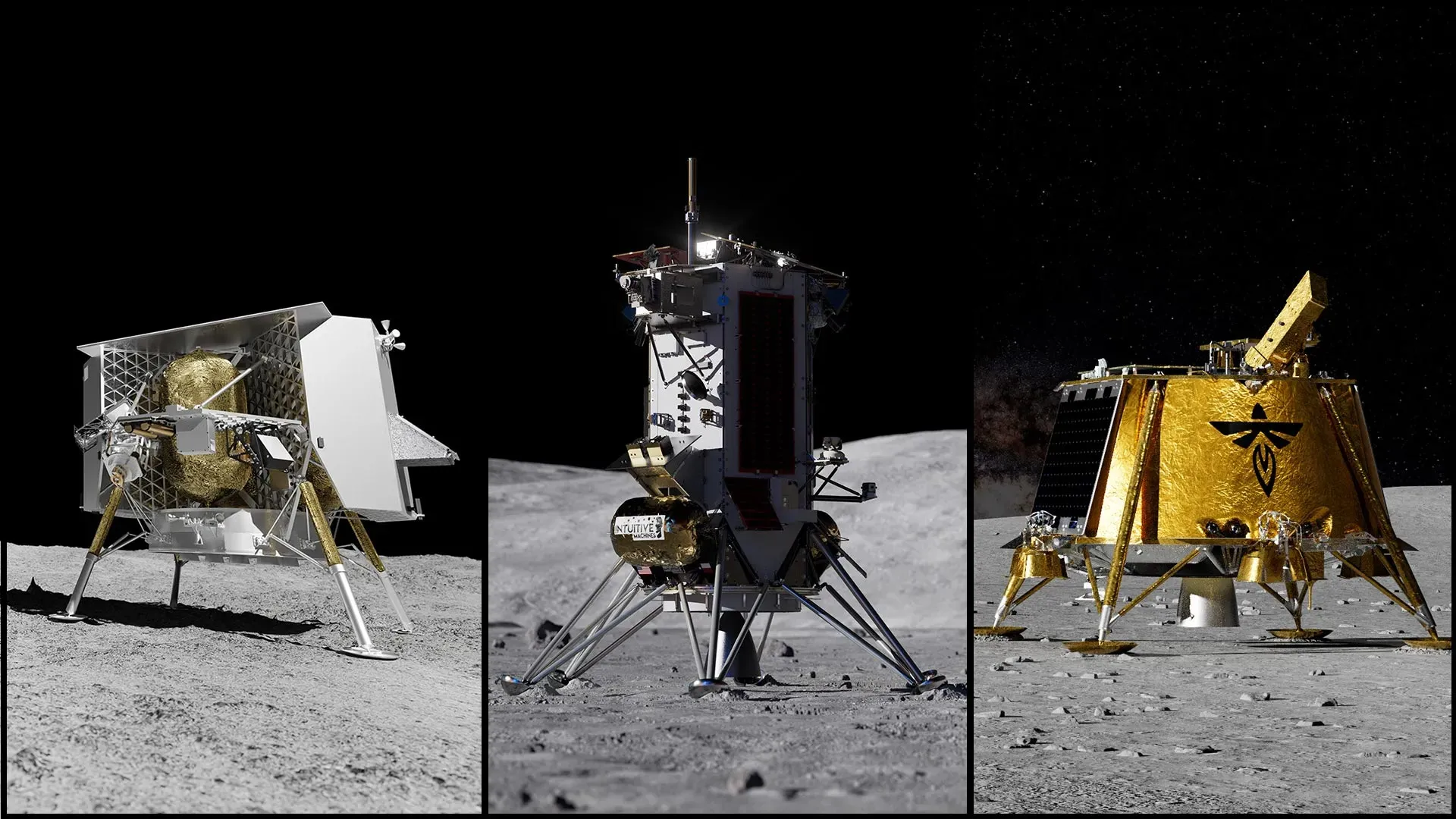
NASA is ramping up its lunar ambitions by awarding nearly $600 million for four commercial Moon landings planned for late 2028. Each mission will carry the same trio of science instruments to improve lunar navigation, study dangerous dust kicked up...
This will be the first Starship test flight for SpaceX as a public company, testing the market's appetite for the company's "fly, fail, fix" approach to rocket development, which often ends in fireballs.
Sleeping about an hour and 20 minutes less each night for six weeks caused participants to gain weight and spend more time inactive. Researchers found that even mild, realistic sleep loss, similar to what many adults experience, had measurable...
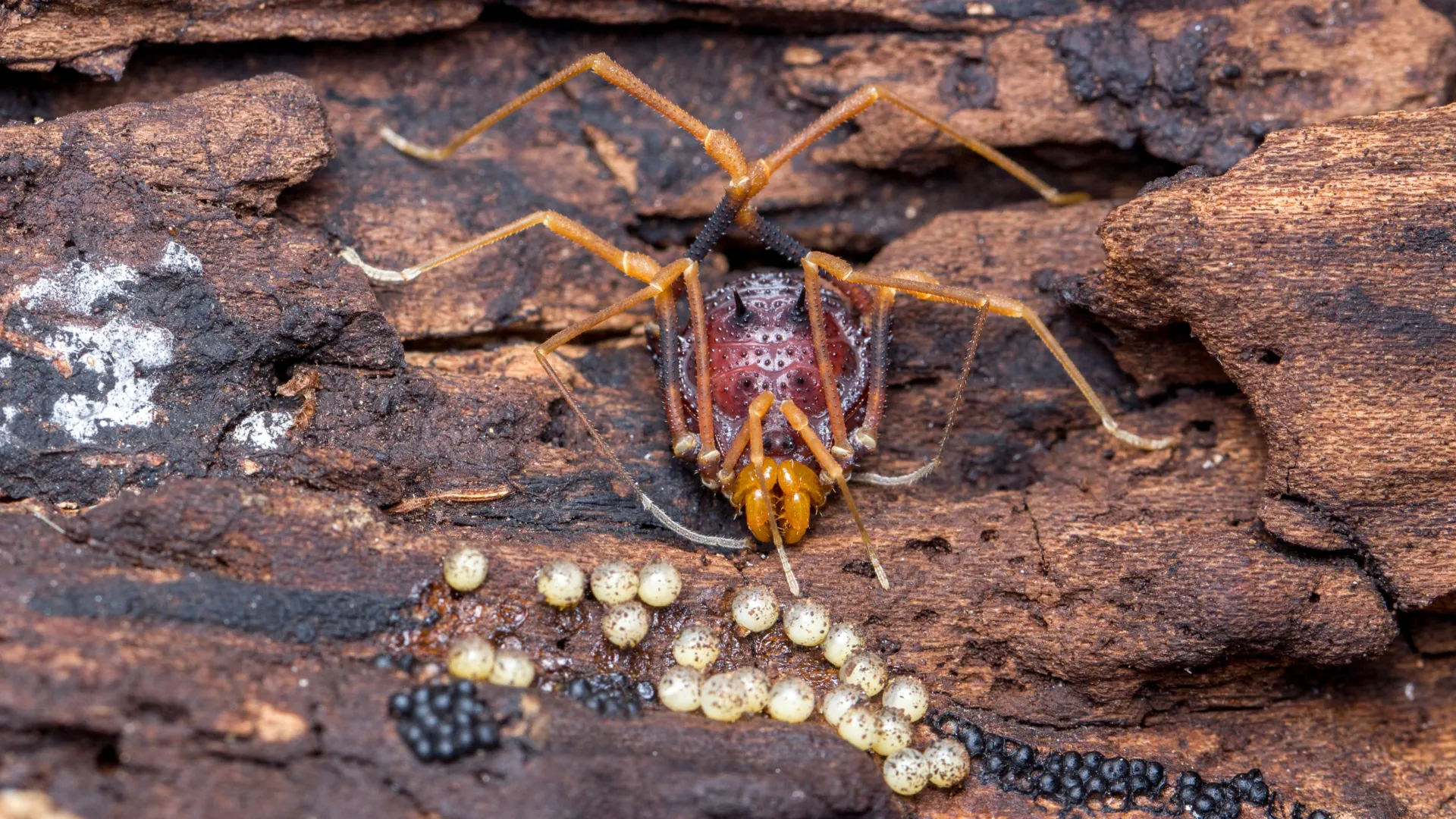
Citizen scientists have helped researchers solve a long-standing mystery about how parental care evolved in harvestmen. Using photos and observations from iNaturalist, scientists more than doubled the known cases of egg-guarding behavior and...
The state of the smart home can be frustrating, because it is just so obvious how things ought to work. You should be able to control everything from everywhere. Your spaces should adapt to what you're doing and how you're feeling. Making your home...
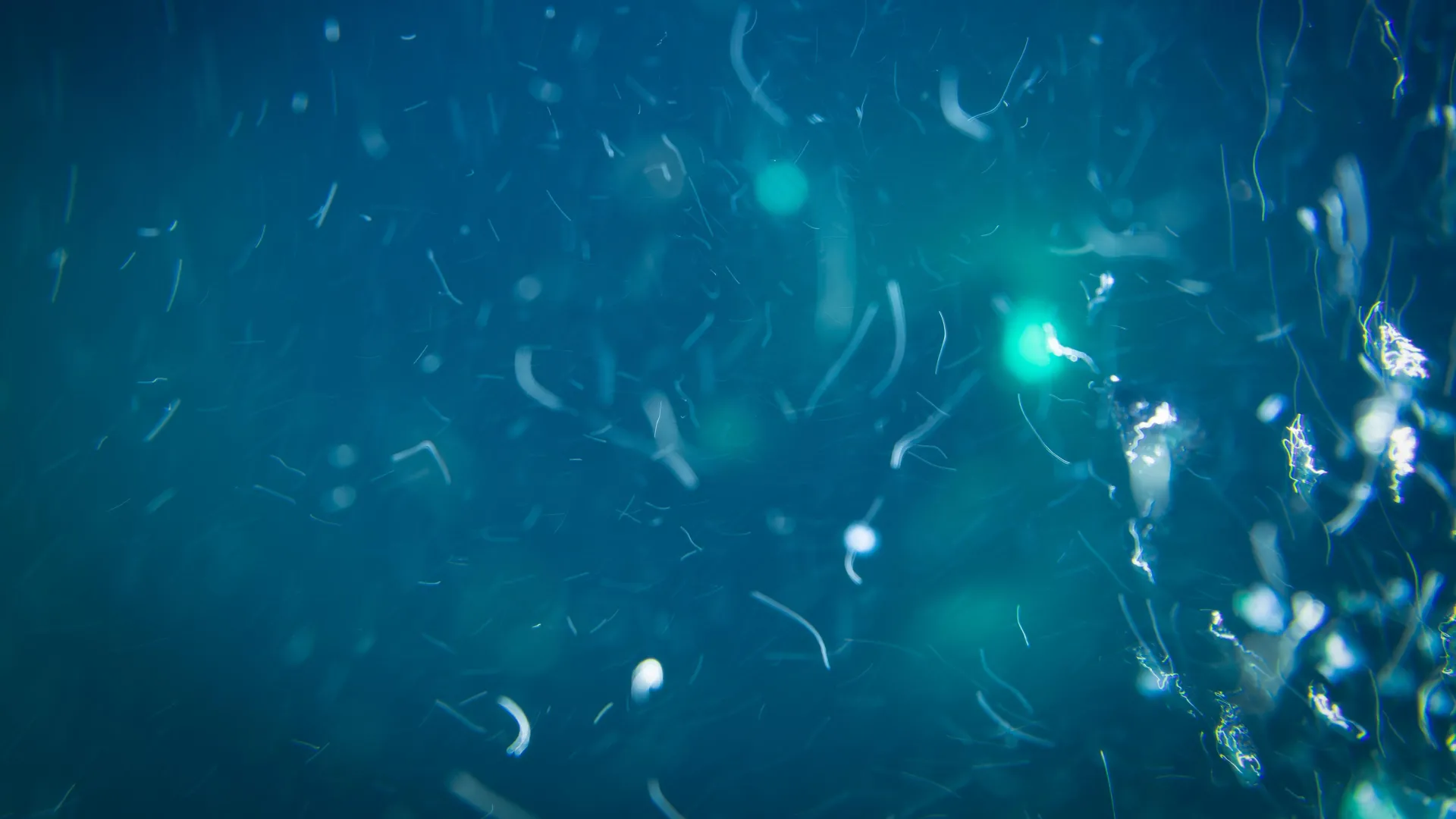
Scientists discovered that extreme deep-sea pressure squeezes valuable nutrients out of sinking organic particles, providing an unexpected food source for ocean microbes. The finding could rewrite our understanding of both deep-ocean ecosystems and...
Science Daily
We use cookies to improve your experience. By continuing to use this site, you agree to our use of cookies. Learn more