NASA has successfully launched its newest space telescope from the Kennedy Space Center in Florida. The telescope reached orbit just 10 minutes after liftoff and is now beginning its mission to shed light on some of the universe’s biggest unsolved...
schedule
14:55 visibility
4 views
Source: France 24

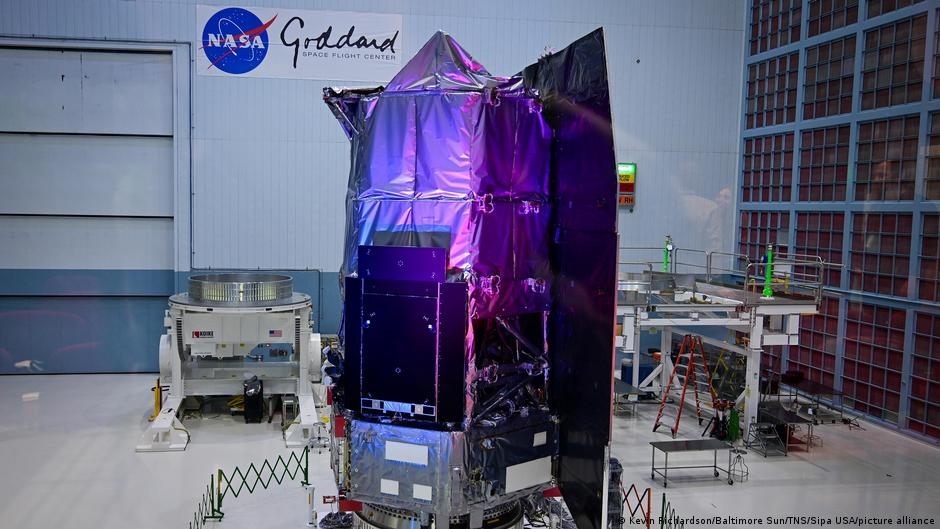
NASA has successfully launched its newest space telescope from the Kennedy Space Center in Florida. The telescope reached orbit just 10 minutes after liftoff and is now beginning its mission to shed light on some of the universe’s biggest unsolved mysteries. Named after astronomer Nancy Grace Roman, the telescope is being hailed by scientists as a “discovery machine.”
After funding struggles and a name change, the Nancy Grace Roman Space Telescope has been successfully launched. It will now make a three-month, one-million-mile journey to its orbit at the second Sun-Earth Lagrange point (L2) beyond the Moon. From...
NASA запустило свой новый флагманский космический телескоп "Роман" из Космического центра имени Кеннеди во Флориде на борту ракеты SpaceX. Президент США Дональд Трамп заявил, что он "поможет раскрыть тайны Вселенной".
Adults aged 40 and older performed about 12% faster on a test of executive function after using a HEPA air purifier at home for one month. The findings suggest that cleaner indoor air could offer a simple way to help protect the brain from the...
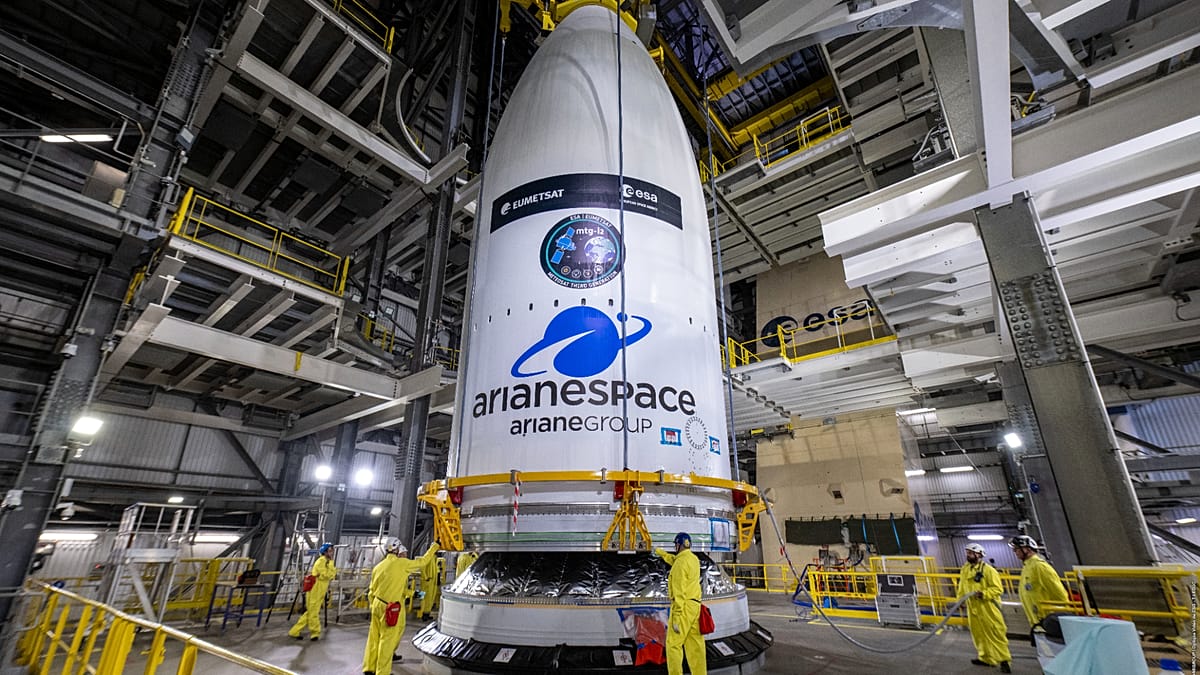
Engineers from ArianeGroup, Arianespace, CNES, Eumetsat, ESA and Thales Alenia Space describe, step by step, how an Ariane 6 rocket and a 3.8-tonne weather satellite were brought together to the launch pad at Europe's Spaceport.
Engineers from ArianeGroup, Arianespace, CNES, Eumetsat, ESA and Thales Alenia Space describe, stage by stage, how an Ariane 6 rocket and a 3.8-tonne weather satellite were brought together to the launch pad of Europe's Spaceport.
NASA is preparing to launch its Roman Space Telescope on Sunday aboard a SpaceX Falcon Heavy rocket, beginning a multi-year mission to create a vast new map of the cosmos. With a field of view far wider than Hubble’s, Roman will search for...
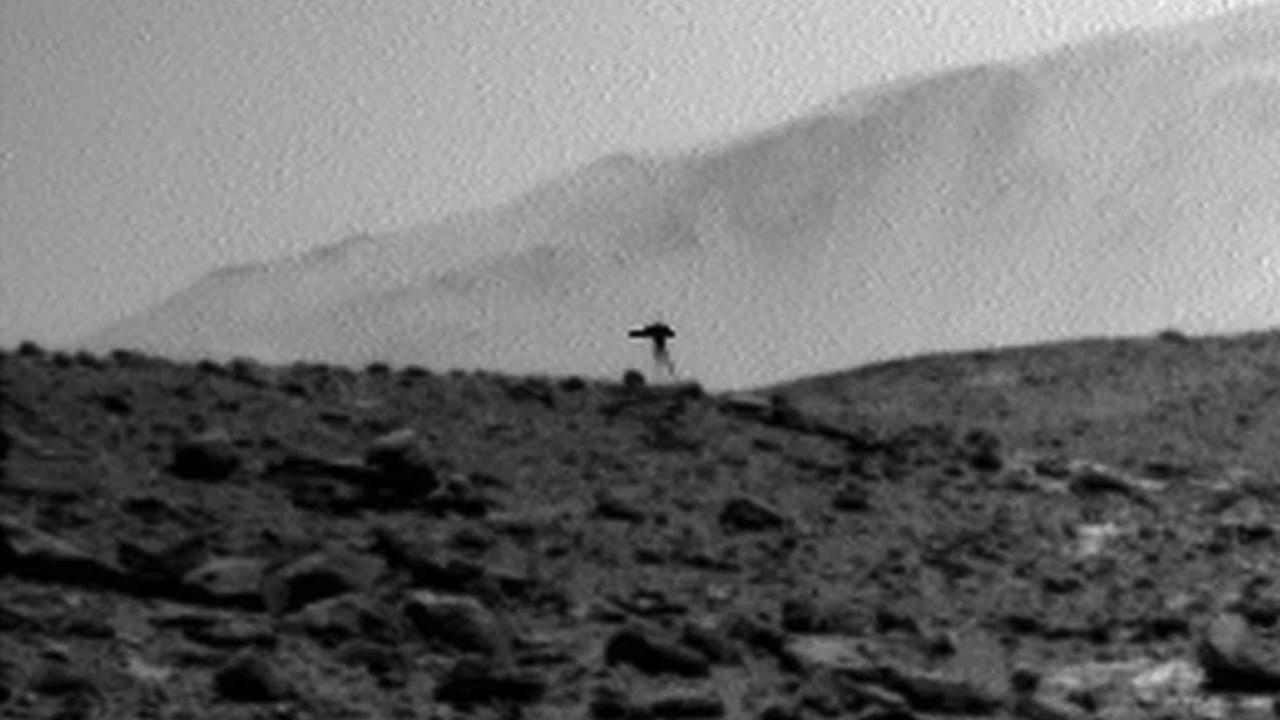
NASAnın Curiosity keşif aracının Mars yüzeyinde kaydettiği ve gökyüzünde süzülen bir denizanasını andıran karanlık silüetin, gezegendeki bir canlı ya da yapı değil, kameranın sensörüne çarpan kozmik ışınların yol açtığı optik bir bozulma olduğu...
TRT Haber
We use cookies to improve your experience. By continuing to use this site, you agree to our use of cookies. Learn more