
Skip to content
Advertisement
When Appliance Fail?

Microsoft open-sources "the earliest DOS source code discovered to date"

Old 86-DOS source code dates back to the time before Microsoft bought it.

schedule 14:20 visibility 50 views
Microsoft open-sources "the earliest DOS source code discovered to date"
Source: Ars Technica

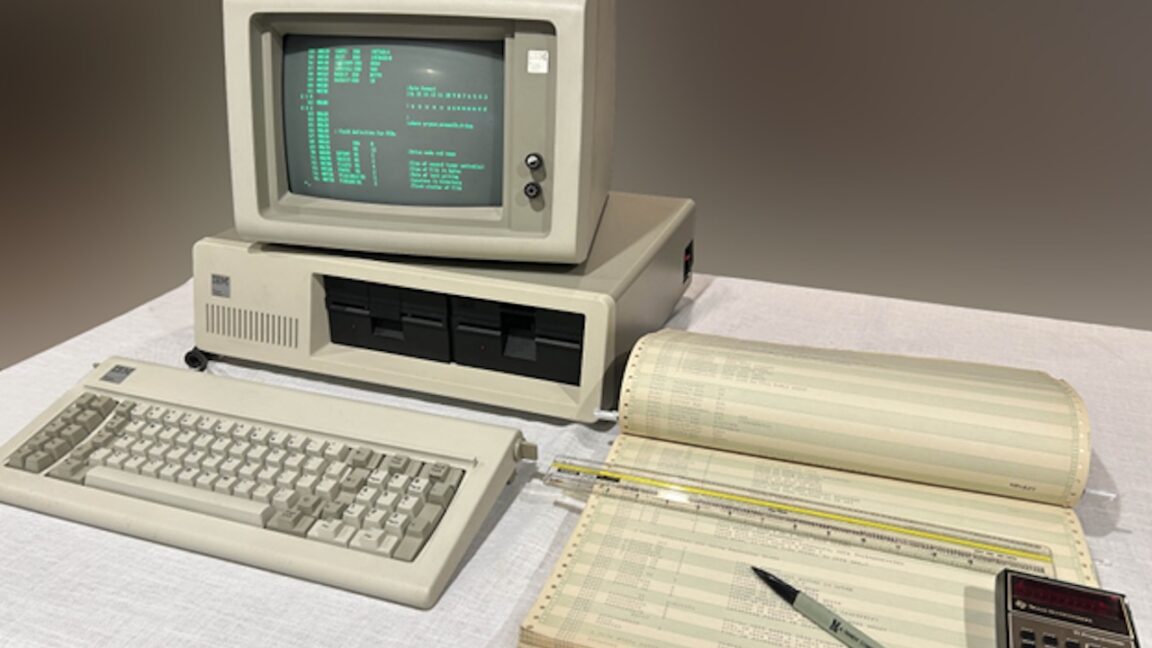
Several times in the last couple of decades, Microsoft has released source code for the original MS-DOS operating system that kicked off its decades-long dominance of consumer PCs. This week, the company has reached further back than ever, releasing "the earliest DOS source code discovered to date" along with other documentation and notes from its developer.

Today's source release is so old that it predates the MS-DOS branding, and it includes "sources to the 86-DOS 1.00 kernel, several development snapshots of the PC-DOS 1.00 kernel, and some well-known utilities such as CHKDSK," write Microsoft's Stacey Haffner and Scott Hanselman in their co-authored post about the release.

To understand the context, here's a very brief history of what would become MS-DOS: Programmer Tim Paterson originally created 86-DOS (previously known as QDOS, for "quick and dirty operating system") for an Intel 8086-based computer kit sold by Seattle Computer Products. Microsoft, on the hook to provide an operating system for the still-in-development IBM PC 5150, licensed 86-DOS and hired Paterson to continue developing it, later buying the rights to 86-DOS outright. Microsoft then licensed this operating system to IBM as PC-DOS while retaining the ability to sell the operating system to other companies. The version sold by Microsoft was called MS-DOS, and the proliferation of third-party IBM PC clones over the '80s and '90s made it the version of the operating system that most people ended up using.


Read full article

Comments

newspaper

Originally published at

Ars Technica

open_in_new Read Full Article

Related Articles

GOG apologizes for emailing people Nazi symbols
Technology

GOG apologizes for emailing people Nazi symbols

GOG sent a newsletter about the game The End of the Sun on June 5th that included symbols associated with the Nazi SS. The Steam competitor issued a statement attributing the inclusion to a "series of mistakes," including miscommunication with the...

The Verge
Meta made its own AI-generated clickbait news feed
Technology

Meta made its own AI-generated clickbait news feed

Facebook has long been filled with feeds of clickbait articles. Now, Meta is making its own clickbait articles with AI. The standalone Meta AI app now has a "For You" section that populates a list of clickbait-style stories for you to read. But the...

The Verge

Read More

Here comes new Siri again
Technology

Here comes new Siri again

Apple has been on its back foot, AI-wise, for the past few years. But in a strange way, playing from behind might not be such a bad move. At WWDC on Monday, Apple appears to be getting ready to reintroduce us to the new Siri. Again. As a reminder...

The Verge
The next YouTube phenomenon hitting the big screen
Technology

The next YouTube phenomenon hitting the big screen

Hi, friends! Welcome to Installer No. 131, your guide to the best and Verge-iest stuff in the world. (If you're new here, welcome, happy last week of productivity before the World Cup starts, and also you can read all the old editions at the...

The Verge
Your Appliance Broke?
Reliable Repair for