Invasive plant spreads across Portugal and lengthens allergy season
Known for its showy plumes and used as an ornamental for decades, pampas grass, also known as Cortaderia selloana, is spreading, threatening biodiversity and raising vegetation management costs. Experts call for urgent action to halt its advance and...
schedule
06:03 visibility
3 views
Source: Euronews

Known for its showy plumes and used as an ornamental for decades, pampas grass, also known as Cortaderia selloana, is spreading, threatening biodiversity and raising vegetation management costs. Experts call for urgent action to halt its advance and reduce pollen exposure.
Following months of consultations with energy experts, Mexico is preparing to tap its shale oil and gas reserves using one of the world's most controversial extraction techniques: fracking. The process is already used to extract oil in the...
Javier Carbonell, an analyst at the European Policy Centre, says that while housing has been one of the “biggest policy failures” of Spanish Prime Minister Pedro Sánchez’s administration, the prime minister has been able to turn it into an electoral...
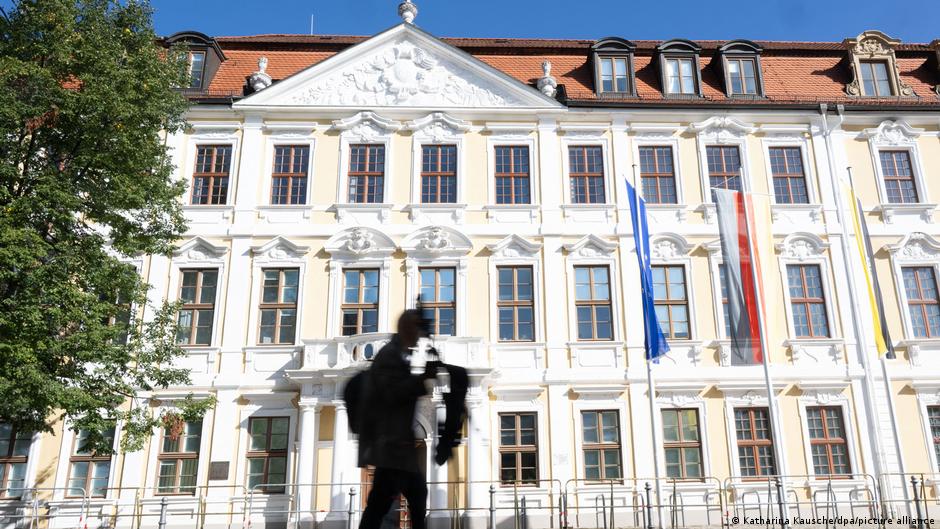
At its first session, the new state parliament in Saxony-Anhalt is to vote on a speaker nominated by the far-right AfD. And Germany's foreign minister has warned that the climate crisis could fuel extremism. DW has more.
From rising seas to a growing pressure for climate justice, Pacific island nations have invited world leaders to Tuvalu to highlight the very real consequences of burning fossil fuels that heat the planet.
Pacific leaders urged action on climate change as UN pre-COP talks opened in Fiji's Nadi on Monday, ahead of next month's COP31 summit in Turkey. Discussions in Fiji and Tuvalu will focus on limiting warming to 1.5C, improving access to climate...
On Sunday, Spanish Civil Protection sent a new Es-Alert to five Catalan counties reminding residents of travel restrictions, after Barcelona saw its wettest day in at least 20 years and the Besòs river passed the danger threshold.
Euronews
We use cookies to improve your experience. By continuing to use this site, you agree to our use of cookies. Learn more