Hidden voids found in Menkaure pyramid hint at secret entrance
A fresh mystery is unfolding inside Egypt’s pyramids. Researchers have discovered two hidden air-filled voids lurking behind the smooth eastern face of the Menkaure pyramid—an area long suspected to conceal something unusual. Using advanced...
schedule
21:52 visibility
94 views

Source: Science Daily

A fresh mystery is unfolding inside Egypt’s pyramids. Researchers have discovered two hidden air-filled voids lurking behind the smooth eastern face of the Menkaure pyramid—an area long suspected to conceal something unusual. Using advanced, non-invasive techniques like radar and ultrasound, the team pinpointed these cavities with surprising precision, lending strong support to the idea that a secret entrance may exist.
Canadian Prime Minister Mark Carney is heading to Europe in the middle of a trade war with U.S. President Donald Trump, seeking a deeper relationship with the European Union that could give Canadians greater freedom to work and study there. FRANCE...
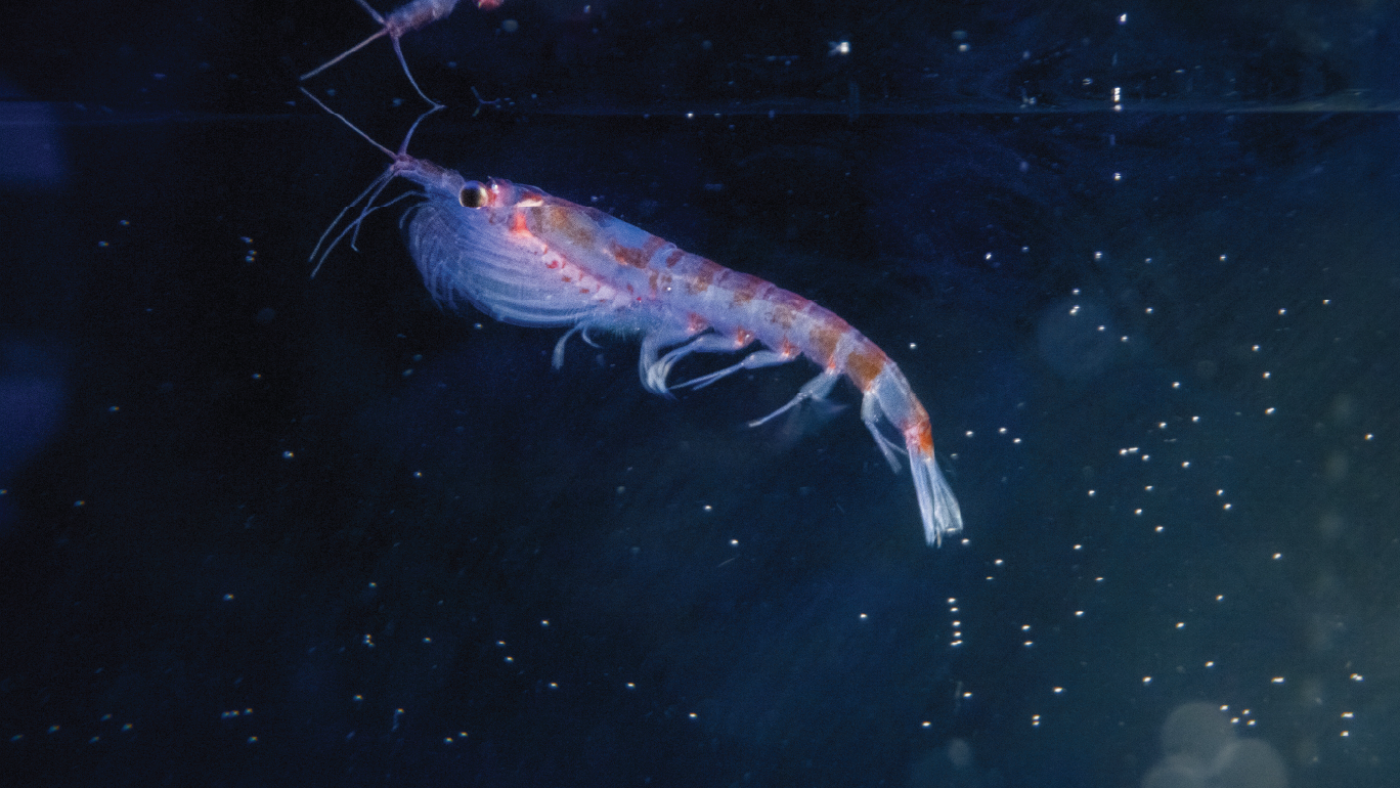
Antarctic krill serve as a crucial food source for penguins, seals, and whales. They recycle nutrients used by algae. Now researchers say they've found krill in a surprising place: hydrothermal vents.
Simply smelling chocolate helped men complete more leg extension repetitions without making the workout feel harder, with dark chocolate producing the strongest effect. The researchers think familiar food aromas may influence appetite and motivation...
By 2026, EU countries must roll out their national wallet apps for the EU’s Digital Identity Wallet, a digital space for storing and sharing personal data. Italy, France, and Finland are leading the way. What's the status of other countries?
Europeans are losing an average of €294 in purchasing power for every €10,000 they keep in the bank, according to a study from Revolut, which found €6.3 trillion sitting in low-yield deposits across 20 EU countries at a moment when Brussels is...
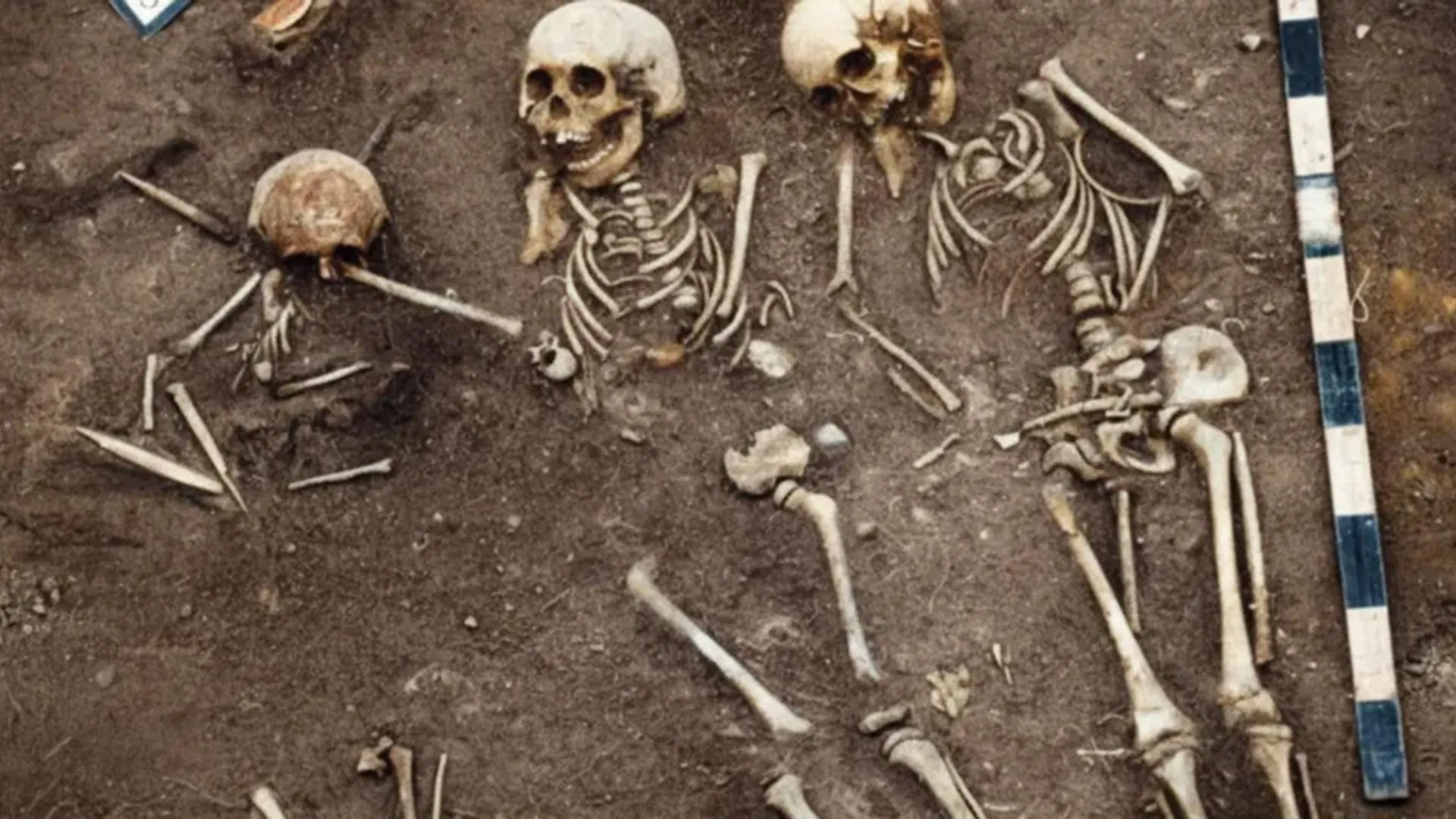
Ancient DNA reveals that plague was already killing hunter-gatherers in Siberia 5,500 years ago, long before cities and flea-driven epidemics. The prehistoric strains may have been especially dangerous because they carried a genetic factor capable...
Science Daily
We use cookies to improve your experience. By continuing to use this site, you agree to our use of cookies. Learn more