Germany's auto crisis: Can the 35-hour workweek survive?
German carmakers want employees to work 40 hours instead of the current 35 without extra pay, arguing it would improve competitiveness. Unions strongly oppose the proposal and view it as an attack on workers' rights.
schedule
08:13 visibility
5 views
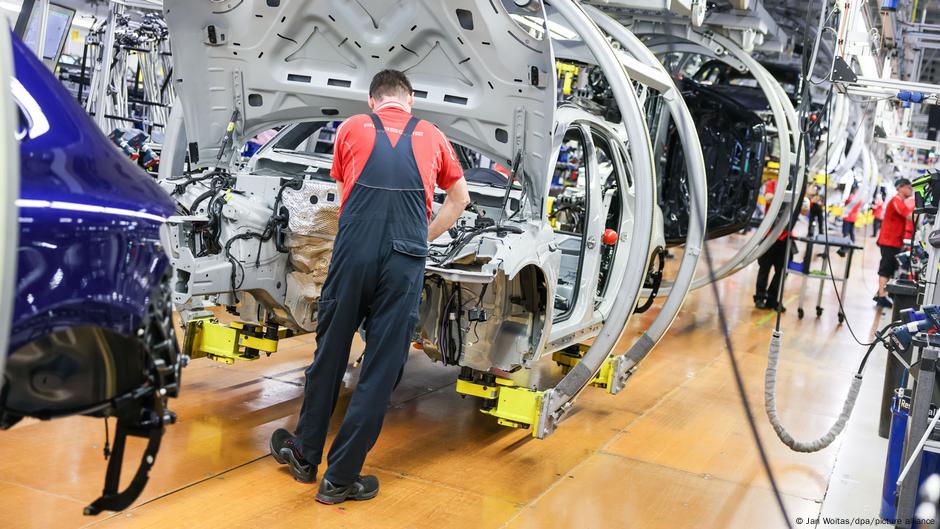
Source: DW News
German carmakers want employees to work 40 hours instead of the current 35 without extra pay, arguing it would improve competitiveness. Unions strongly oppose the proposal and view it as an attack on workers' rights.

72 journalists from 26 different media organisation have been working on the project for months. Tomorrow, we will take you inside the Trump administration's secret deals to expel people worldwide. Stay tuned.
La commission électorale russe avait déjà annoncé samedi, au deuxième jour des élections qui se déroulent électroniquement dans une trentaine de régions, que le système de vote avait fait l’objet d’une « cyberattaque très puissante » .
« On ne peut pas se permettre le luxe de la division au premier tour », a insisté dimanche l’ancien premier ministre, en clôture de la rentrée du MoDem à L’Isle-sur-la-Sorgue (Vaucluse), craignant un face-à-face entre Marine Le Pen et Jean-Luc...
With the prices of fuel continuously escalating, more and more drivers have been switching to bioethanol in France. It's cheaper to produce and currently costs around 95 cents per liter. Details by Shirli Sitbon.
Especialistas explicam como uma combinação de frentes frias, umidade e o El Niño em curso levou a cidade a superar o recorde de 1983 — e apontam que o risco de deslizamentos e alagamentos continua alto nos próximos dias.
Two decades of progress toward gender parity is at risk as women's political representation declines, according to a new World Economic Forum report. At the current pace, the remaining gap could take 120 years to close.
DW News
We use cookies to improve your experience. By continuing to use this site, you agree to our use of cookies. Learn more