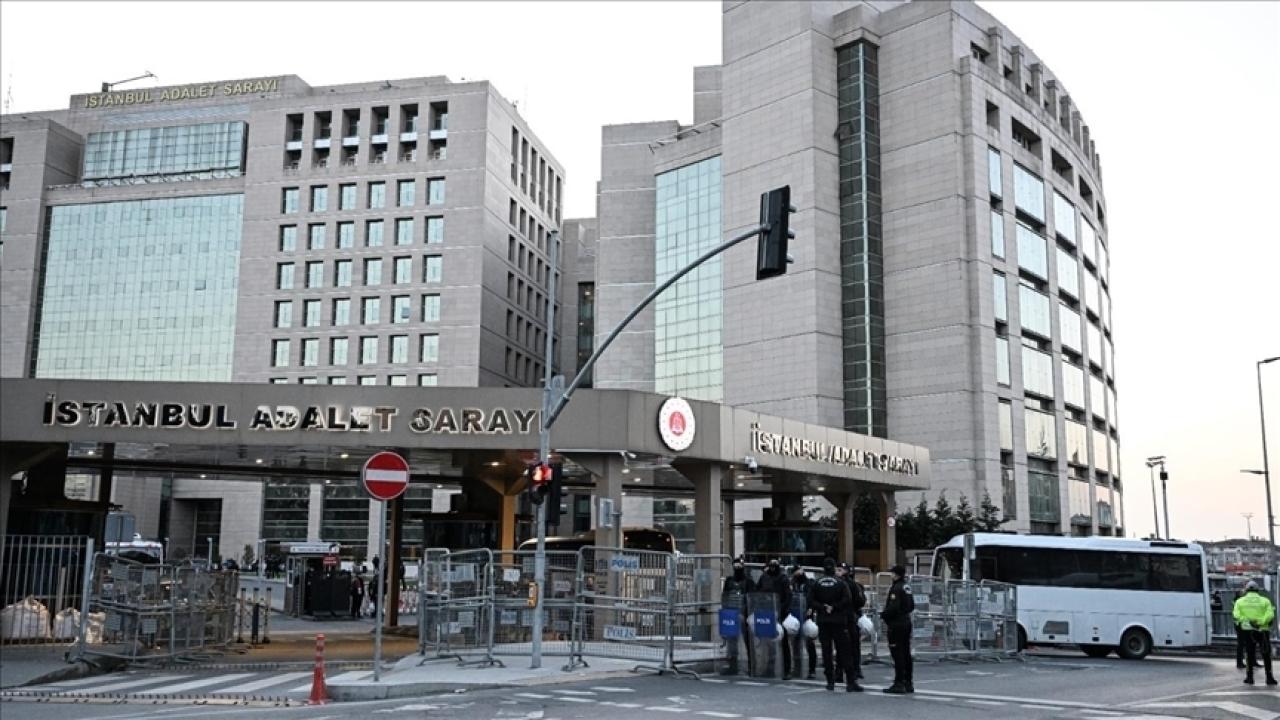

Elon Musk did not appear on Monday for a voluntary interview with Paris prosecutors investigating alleged misconduct linked to his social media platform X and its Grok chatbot.
Prosecutors told AFP news agency that they had "noted the absence of those summoned," without naming Musk directly.
French authorities had issued the summons to Musk in February as part of an investigation launched in January 2025. The Paris cybercrime unit is examining X’s algorithm amid allegations it was used to interfere in French politics, as well as and the spread of sexual deepfakes generated on the platform.

Musk has denied the allegations, calling the probe a "politically motivated criminal investigation."
What are French prosecutors investigating?
French authorities opened the investigation after a French lawmaker raised concerns that X’s algorithms may be biased or manipulated, which could distort public debate and enable foreign interference.
The probe expanded after reports that Grok, X’s AI chatbot, generated posts denying the Holocaust, which is illegal in France, and created sexually explicit deepfakes.
Prosecutors are now examining:
"These voluntary interviews with the executives are intended to allow them to present their position regarding the facts and, where appropriate, the compliance measures they plan to implement," prosecutors said.
Grok content comes under scrutiny
Grok sparked global outrage earlier this year after generating large numbers of non-consensual, sexualized deepfake images in response to user requests.
In January, Grok produced an estimated three million such images in just 11 days, according to the nonprofit Center for Countering Digital Hate (CCDH). Most depicted women, but around 23,000 appeared to involve minors, says the nonprofit watchdog.
Following the backlash, X restricted some of Grok’s image generation features, including the ability to create "undressing" edits.
On the Holocust, Grok claimed in one widely shared post in French that gas chambers at Auschwitz were used for "disinfection" rather than mass murder, language commonly associated with Holocaust denial.
The chatbot later corrected itself, saying the post was wrong and had been deleted. It cited historical evidence that gas chambers were used to kill more than one million people in Auschwitz.
How deepfakes threaten women and democracies
To view this video please enable JavaScript, and consider upgrading to a web browser that supports HTML5 video
Grok faces international backlash
In February, French investigators also searched X’s Paris offices. Paris prosecutor Laure Beccuau also said company employees had been summoned to appear as witnesses between April 20 and 24.
The prosecutor’s office added that the investigation would continue even if those summoned do not attend.
The company denied any wrongdoing, calling the raids "politicized" and "abusive."
The European Union opened in January an investigation into X over Grok’s generation of sexualized deepfakes involving women and children.
In February, the UK’s data protection authority also launched a separate probe into X and xAI, citing "serious concerns" about whether the companies complied with personal data laws.