
Skip to content
Advertisement
When Appliance Fail?

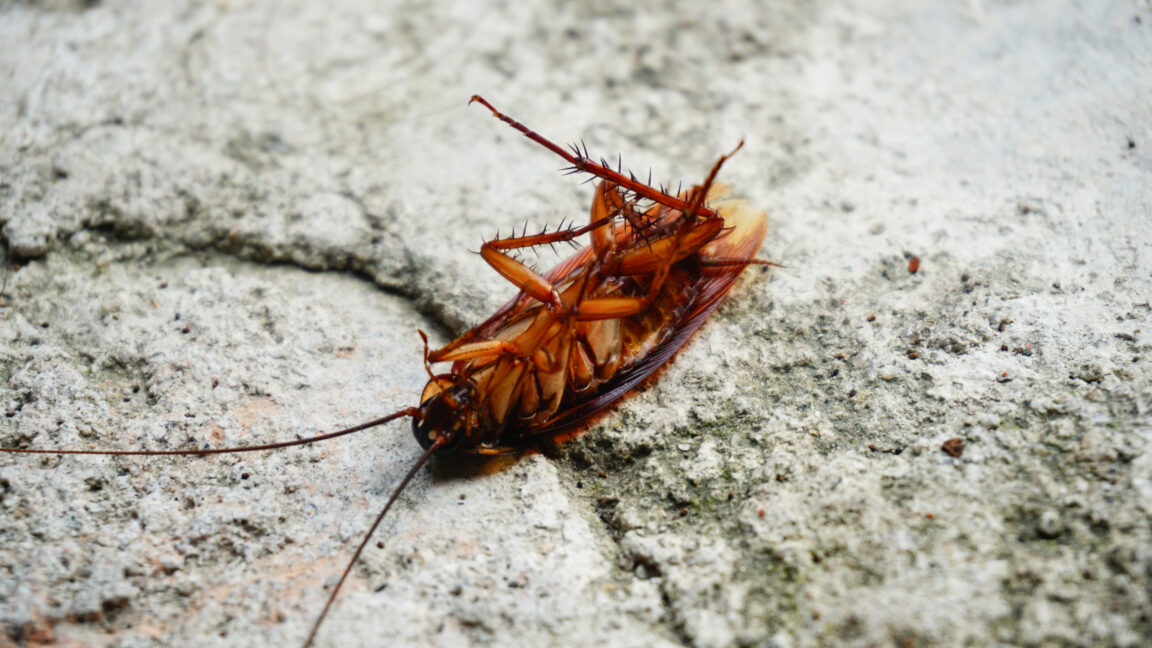
Cockroaches scurry around with thousands of pieces of bacterial genomes

Transferring genes across species doesn't just happen in microbes.

schedule 21:54 visibility 2 views
Cockroaches scurry around with thousands of pieces of bacterial genomes
Source: Ars Technica

Last week, we looked at a new study of the origin of complex cells, one that showed that our ancestors' genomes were pieced together from bits and pieces of multiple species. It put a spotlight on a phenomenon called horizontal gene transfer, in which a gene from one species is incorporated into the genome of a distantly related species. The frequency of horizontal gene transfer means that, in addition to the neatly branching trees that relate species by common descent, there are small threads connecting distant branches of the tree of life.

It's easy to see why horizontal gene transfer would be common among microbes. They often live in complex communities that are likely awash in the DNA of dead and damaged cells. Plus, bacteria and archaea lack a membrane between their DNA and the rest of the cell, making it easier for environmental DNA to find its way to the genome.

However, a new study this week shows that horizontal gene transfers are remarkably common even in multicellular animals. And it does so by examining the genomes of multiple cockroach species, which have had bits of bacterial DNA for millions of years.


Read full article

Comments

newspaper

Originally published at

Ars Technica

open_in_new Read Full Article

Related Articles

Read More

SpaceX is officially buying Cursor for $60 billion
Science

SpaceX is officially buying Cursor for $60 billion

Days after its massive IPO, SpaceX says it is spending $60 billion to buy Cursor - a bet designed to help Elon Musk's sprawling rocket / AI / social media behemoth win over lucrative enterprise customers and close the gap with AI rivals like...

The Verge
Scientists just found a hidden weakness in forever chemicals
Science

Scientists just found a hidden weakness in forever chemicals

Researchers discovered that hydrogen radicals generated by intense UV light can break down stubborn PFAS “forever chemicals” without added chemicals. The breakthrough reveals a key mechanism that could lead to greener and more effective technologies...

Science Daily
Your Appliance Broke?
Reliable Repair for