Skip to content
Advertisement
When Appliance Fail?

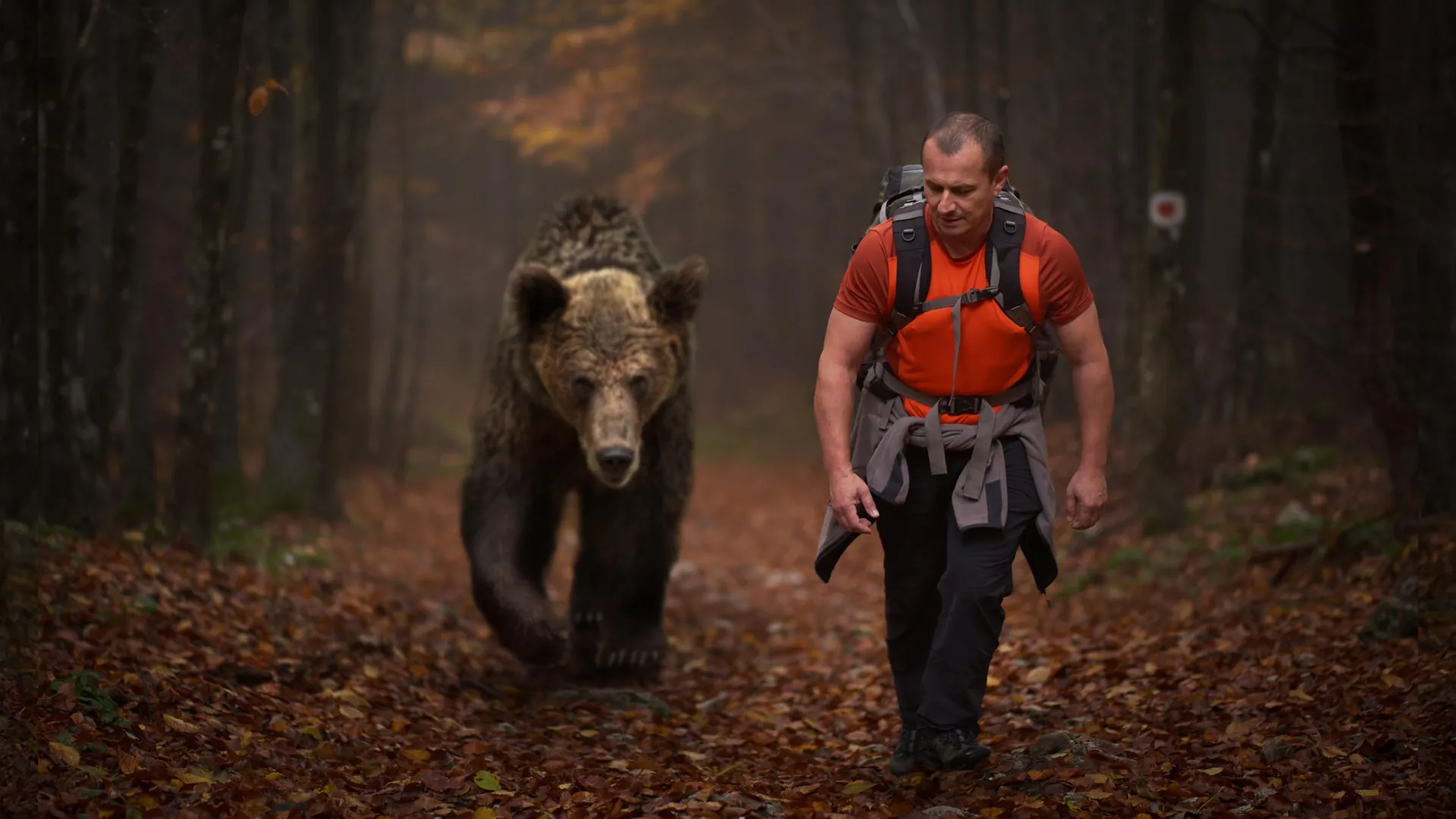
Are humans really the ultimate super-predator?

Humans are often described as the planet's ultimate "super-predator," but wild animals do not fear every human the same way. After analyzing three decades of research, scientists found that animals become much more alert and spend less time feeding...

schedule 11:04 visibility 53 views
Are humans really the ultimate super-predator?
Source: Science Daily
Humans are often described as the planet's ultimate "super-predator," but wild animals do not fear every human the same way. After analyzing three decades of research, scientists found that animals become much more alert and spend less time feeding when people pose a real threat, such as hunters or fishers. In contrast, tourists, researchers, and other non-lethal humans trigger far weaker and less predictable reactions.

newspaper

Originally published at

Science Daily

open_in_new Read Full Article

Related Articles

Read More

Anthropic is asking Wall Street to believe in AGI
Science

Anthropic is asking Wall Street to believe in AGI

Today on Decoder, I’m joined by Joey Brookhart, an analyst at the chip and AI research firm SemiAnalysis, to help me dig into the story inside the numbers of the Anthropic IPO filing — a document known as an S-1. Anthropic just filed its S-1 to go...

The Verge
Six popular sugar substitutes linked to faster brain aging
Science

Six popular sugar substitutes linked to faster brain aging

A study of nearly 13,000 adults found that people consuming the most artificial sweeteners experienced a 62% faster decline in memory and thinking skills, equivalent to approximately 1.6 additional years of brain aging. Six popular sweeteners were...

Science Daily
Your Appliance Broke?
Reliable Repair for