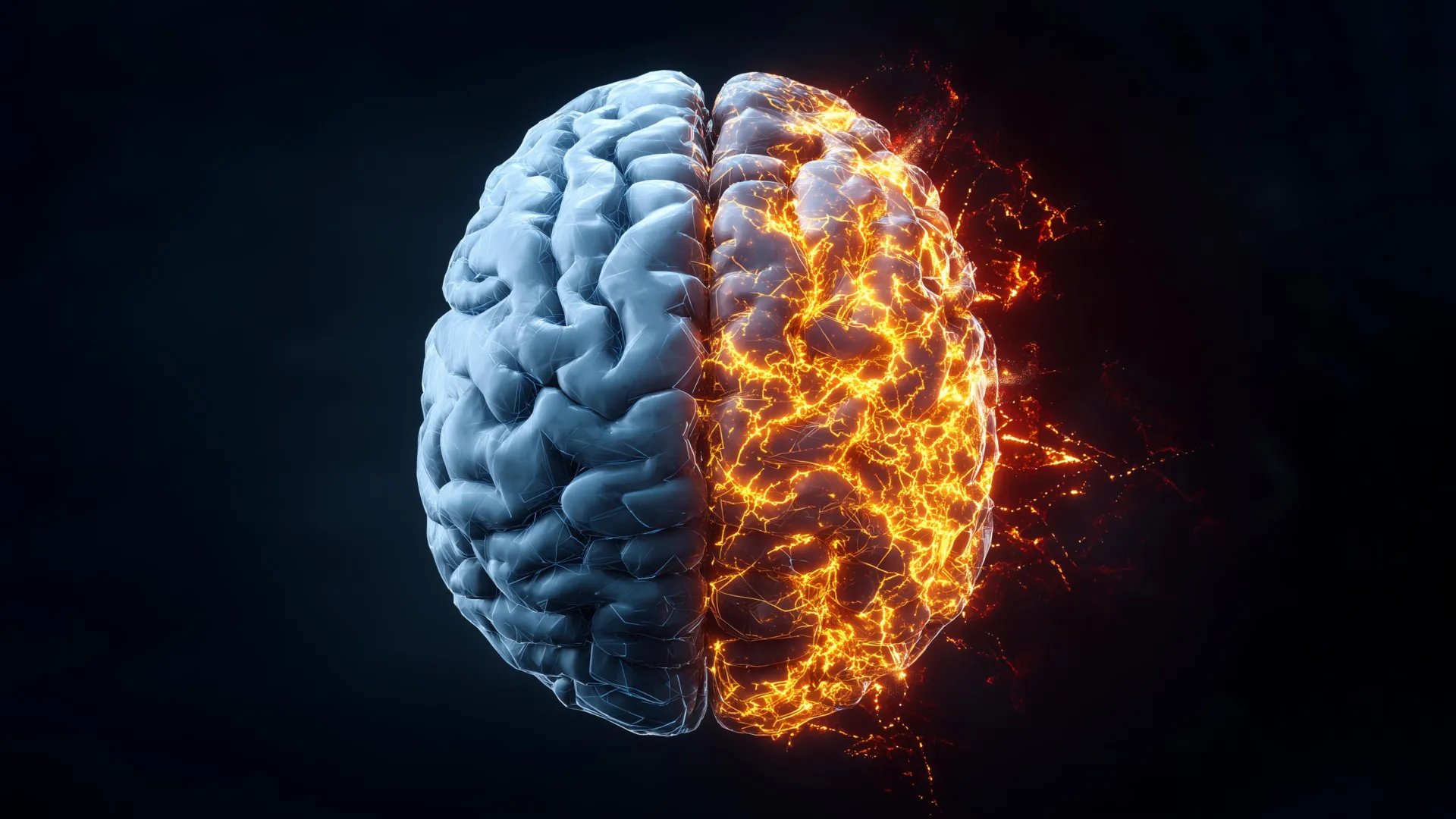
AI is starting to see migraine as more than just a headache
Researchers used artificial intelligence and genetic data from more than 43,000 people to identify biological patterns that could reshape how one of the world’s most common neurological disorders is diagnosed and treated.
schedule
04:28 visibility
36 views

Source: Euronews

Researchers used artificial intelligence and genetic data from more than 43,000 people to identify biological patterns that could reshape how one of the world’s most common neurological disorders is diagnosed and treated.
In this edition of Access Asia, we explore why anti-Indian sentiment is rising in the United States in the wake of the foiled plot targeting a Hindu temple in Illinois. We ask the executive director of the Center for the Study of Organized Hate...
Premières manifestations, premiers débats, premiers engagements militants… Pour de nombreux jeunes, le mouvement lycéen coïncide avec une prise de conscience politique accrue qui transforme leur quotidien, à six mois d’une élection présidentielle à...
Today on Decoder, I’m joined by Joey Brookhart, an analyst at the chip and AI research firm SemiAnalysis, to help me dig into the story inside the numbers of the Anthropic IPO filing — a document known as an S-1. Anthropic just filed its S-1 to go...
A study of nearly 13,000 adults found that people consuming the most artificial sweeteners experienced a 62% faster decline in memory and thinking skills, equivalent to approximately 1.6 additional years of brain aging. Six popular sweeteners were...
Mathematicians have uncovered what they argue is a fundamental flaw in the standard model of the universe, potentially challenging the need for dark energy. Their calculations suggest that the mathematical framework used to describe cosmic expansion...