
Skip to content
Advertisement
When Appliance Fail?

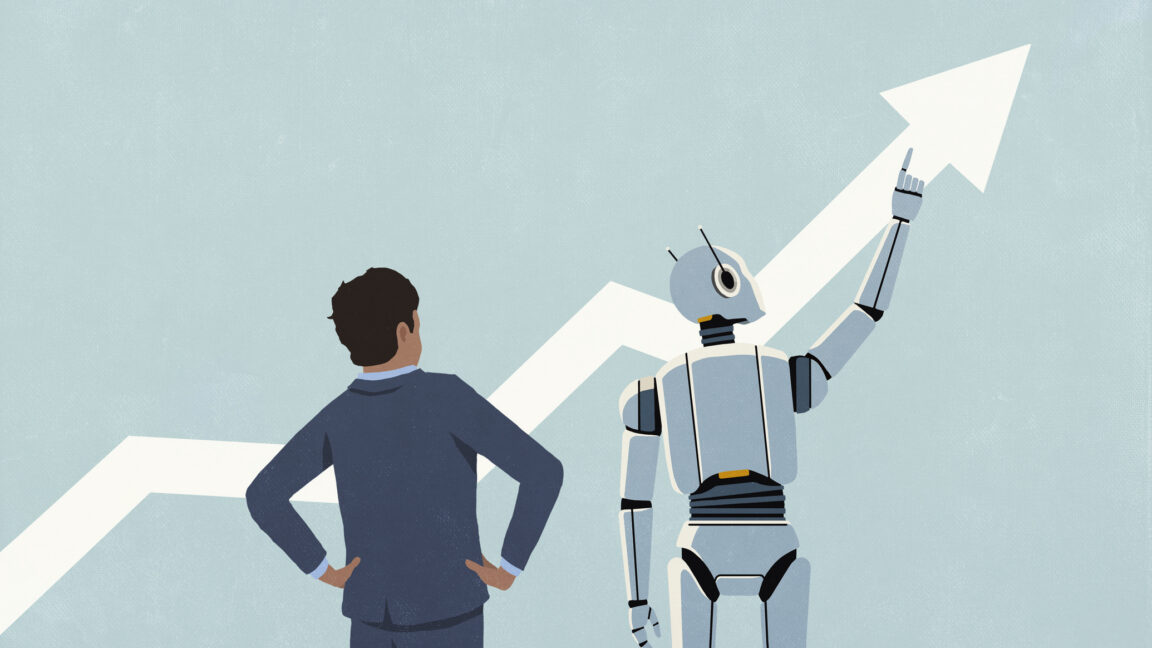
AI is hitting entry-level jobs hardest, Stanford study finds

Young employment in AI-impacted fields down 19% compared to more AI-resistant occupations.

schedule 21:45 visibility 4 views
AI is hitting entry-level jobs hardest, Stanford study finds
Source: Ars Technica

For years, AI industry watchers of all stripes have been warning of a coming jobs apocalypse driven by ultra-intelligent AI systems that will be able to replicate most human tasks more cheaply. Now, newly updated research from Stanford University economists suggests AI seems to be causing significant entry-level job losses for younger workers in some fields, even as older workers appear largely unaffected so far.

The August 2026 edition of "Canaries in the Coal Mine? Six Facts about the Recent Employment Effects of Artificial Intelligence" updates and revises a paper of the same name published last year with fresh data and refined statistics. In that update, the Stanford researchers find the employment trends they identified for entry-level workers last year are persisting and expanding. Specifically, employment levels for workers aged 22 to 25 in the most "AI-exposed" occupations are now 19 percent below those of their peers in fields less exposed to AI disruption.

Last year, that gap measured just 13 percent.

Read full article

Comments

newspaper

Originally published at

Ars Technica

open_in_new Read Full Article

Related Articles

Common medications may change your gut for years
Science

Common medications may change your gut for years

Common medications may reshape the gut microbiome long after the last dose is taken. In a study of more than 2,500 people, researchers found lasting microbial changes linked not only to antibiotics, but also to antidepressants, beta-blockers...

Science Daily

Read More

Too much or too little sleep may make your body age faster
Science

Too much or too little sleep may make your body age faster

Both too little and too much sleep may be linked to faster aging throughout the body. Researchers analyzing 23 biological aging clocks found the lowest aging levels among people sleeping about 6.4 to 7.8 hours per day. Short or long sleep was also...

Science Daily
Quitting alcohol may prime the brain for relapse
Science

Quitting alcohol may prime the brain for relapse

Mice that developed compulsive drinking after alcohol abstinence showed more than double the activity in a brain region associated with stress and addiction. Because the signal appeared before they drank again, researchers think it could eventually...

Science Daily
Your Appliance Broke?
Reliable Repair for