Zum Inhalt springen
Advertisement

SpaceX beginnt, sich von der erfolgreichsten Rakete der Welt zu trennen

Die Vandenberg Space Force Base in Kalifornien wird voraussichtlich der verkehrsreichste Startplatz von SpaceX werden – vorerst.

schedule 22:28 visibility 77 Aufrufe
SpaceX beginnt, sich von der erfolgreichsten Rakete der Welt zu trennen
Quelle: Ars Technica

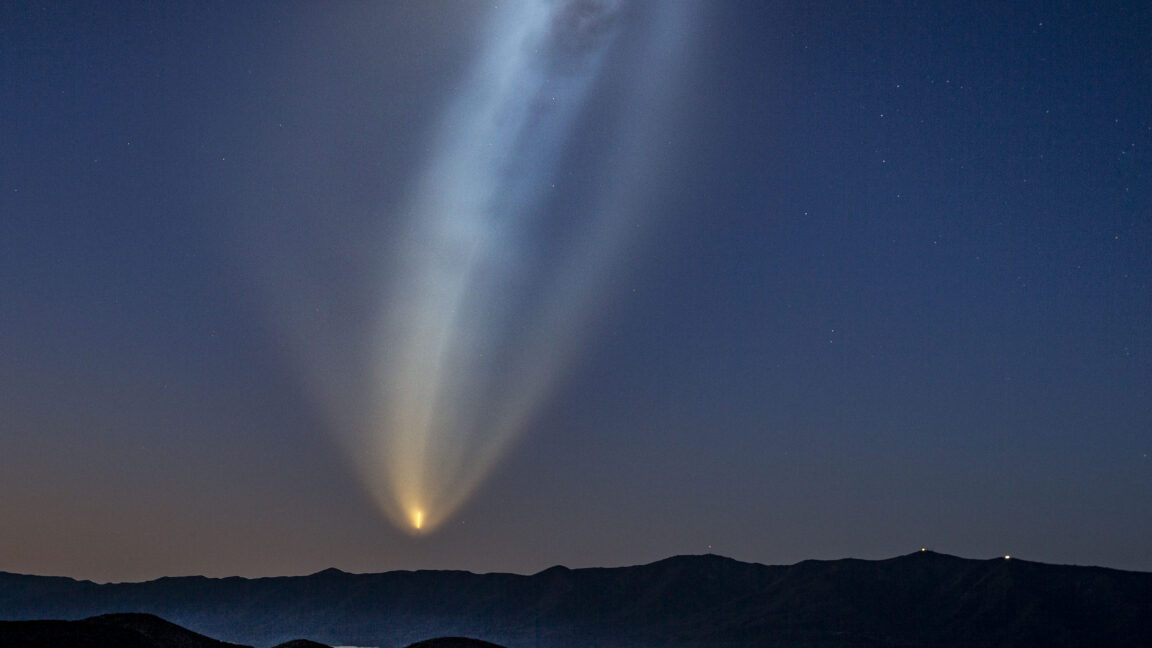
It is far too soon to mention retirement, but astute observers of the space industry have noticed SpaceX's workhorse Falcon 9 rocket is not launching as often as it used to.

The decline is modest so far, and it does not signal any problem at SpaceX or with the Falcon 9. Rather, it is a manifestation of SpaceX's eagerness to shift focus to the much larger Starship rocket, an enabler of what the company wants to do in space: missions to land on the Moon and Mars, orbital data centers, and next-gen Starlink.

Elon Musk's SpaceX conducted 165 launches with the Falcon 9 rocket (no Falcon Heavy missions) last year, up from 134 Falcon 9 and Falcon Heavy launches in 2024 and 96 Falcon flights in 2023. The company plans "maybe 140, 145-ish" Falcon launches in 2026, SpaceX president Gwynne Shotwell told Time earlier this year. "This year we'll still launch a lot, but not as much," she said. "And then we'll tail off our launches as Starship is coming online."


Read full article

Comments

newspaper

Ursprünglich bei

Ars Technica

open_in_new Vollständigen Artikel lesen

Verwandte Artikel

Deutschlands Platz im New Space
Wissenschaft

Deutschlands Platz im New Space

Der Weltraum gehört zur strategischen Infrastruktur und verspricht Geschäfte in Milliardenhöhe. Auch deutsche Unternehmen mischen mit. Doch haben die eine Chance, im globalen New‑Space‑Wettlauf mitzuhalten?

DW Deutsch

Weiterlesen

Mondmission Artemis 2 erfolgreich gestartet
Wissenschaft

Mondmission Artemis 2 erfolgreich gestartet

"Wir fliegen für die gesamte Menschheit", sagte der kanadische Astronaut Jeremy Hansen, bevor er an Bord der Orion-Kapsel abhob. Die federführende US-Raumfahrtbehörde NASA sprach vom "Beginn unserer Rückkehr zum Mond".

DW Deutsch