Zum Inhalt springen
Advertisement

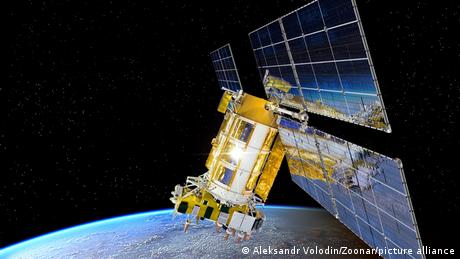
"I'll buy 10 of those"—NASA science chief yearns for mass-produced satellites

"How in the hell do I get more science into space? That is my goal."

schedule 20:43 visibility 48 Aufrufe
"I'll buy 10 of those"—NASA science chief yearns for mass-produced satellites
Quelle: Ars Technica

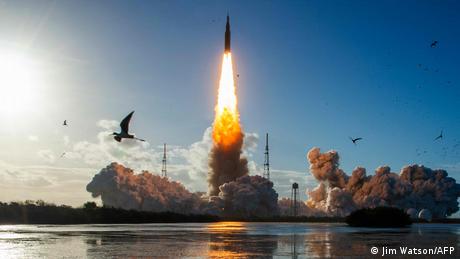
There are more opportunities to access space than ever, thanks to a bevy of commercial rockets, some with reusable boosters, led by SpaceX's workhorse Falcon 9. So why is NASA launching fewer telescopes and planetary science missions than it did a quarter-century ago?

The answer is complex. It is not necessarily the money. The space agency's science budget this year is $7.25 billion, roughly the same as it was in 2000, adjusted for inflation. This is despite attempts by the Trump administration to drastically reduce NASA science funding.

In the early months of his tenure, NASA Administrator Jared Isaacman's focus has been on human spaceflight and the Moon. This isn't terribly surprising given NASA's wildly successful Artemis II mission carrying four astronauts around the Moon last month. Since taking office in December, Isaacman has announced an overhaul of the Artemis program, canceling a space station to be built in orbit around the Moon in favor of construction of a base on the lunar surface.


Read full article

Comments

newspaper

Ursprünglich bei

Ars Technica

open_in_new Vollständigen Artikel lesen

Verwandte Artikel

Deutschlands Platz im New Space
Wissenschaft

Deutschlands Platz im New Space

Der Weltraum gehört zur strategischen Infrastruktur und verspricht Geschäfte in Milliardenhöhe. Auch deutsche Unternehmen mischen mit. Doch haben die eine Chance, im globalen New‑Space‑Wettlauf mitzuhalten?

DW Deutsch

Weiterlesen

Mondmission Artemis 2 erfolgreich gestartet
Wissenschaft

Mondmission Artemis 2 erfolgreich gestartet

"Wir fliegen für die gesamte Menschheit", sagte der kanadische Astronaut Jeremy Hansen, bevor er an Bord der Orion-Kapsel abhob. Die federführende US-Raumfahrtbehörde NASA sprach vom "Beginn unserer Rückkehr zum Mond".

DW Deutsch