This new “phonon laser” could measure gravity more precisely than ever before
Scientists have taken lasers beyond light and into the realm of sound, creating a breakthrough “phonon laser” that manipulates tiny vibrations at the quantum level. By dramatically reducing noise in these systems, researchers can now measure motion...
schedule
07:41
visibility
25 vistas
Fuente: Science Daily
Leer artículo original →
auto_awesome Este artículo fue traducido automáticamente y puede contener inexactitudes.
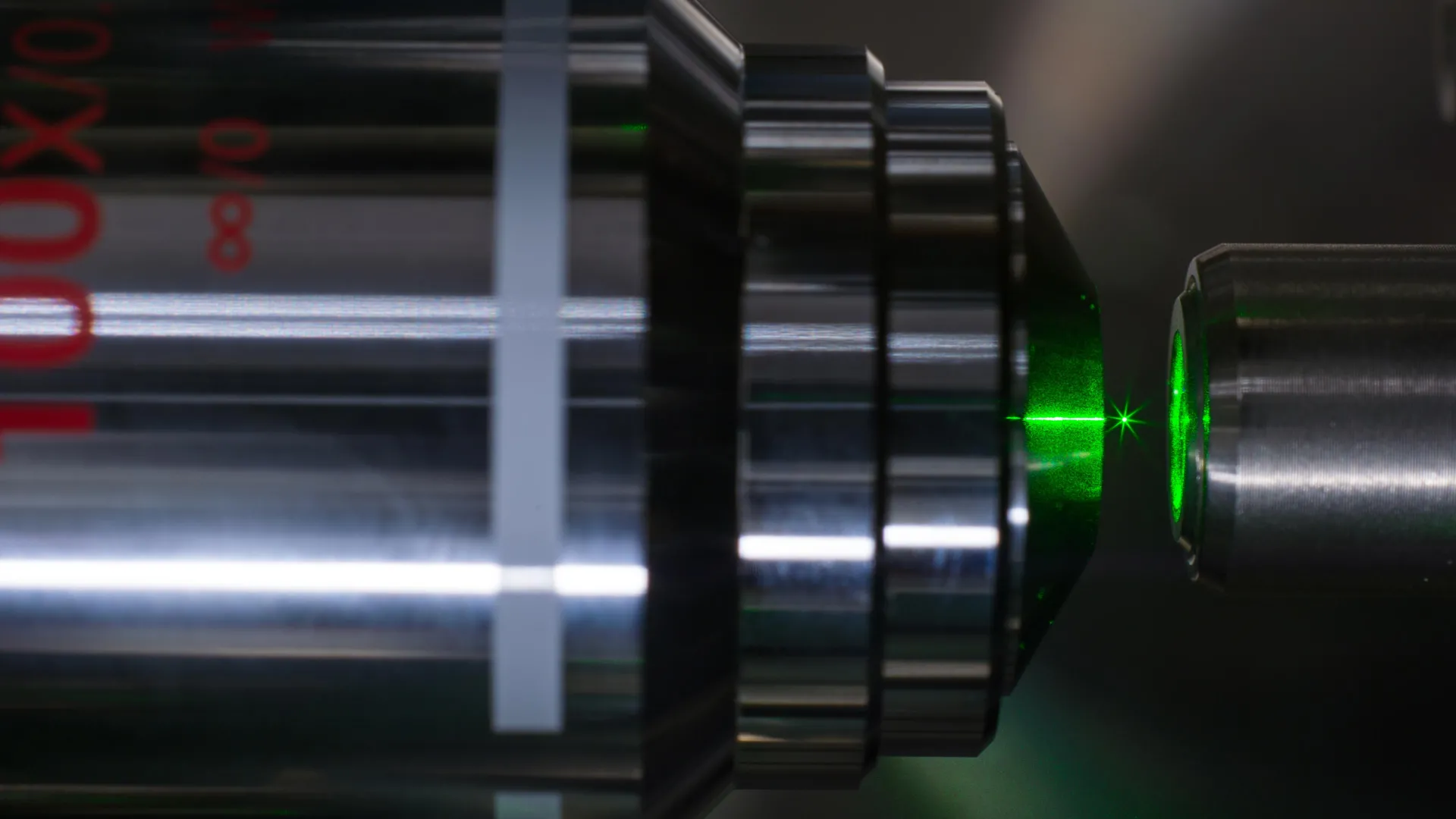
Scientists have taken lasers beyond light and into the realm of sound, creating a breakthrough “phonon laser” that manipulates tiny vibrations at the quantum level. By dramatically reducing noise in these systems, researchers can now measure motion and forces with unprecedented precision. This advance could unlock new ways to study gravity, probe quantum physics, and even revolutionize navigation with ultra-accurate, satellite-free systems.