Scientists trap light in a layer 1,000x thinner than hair
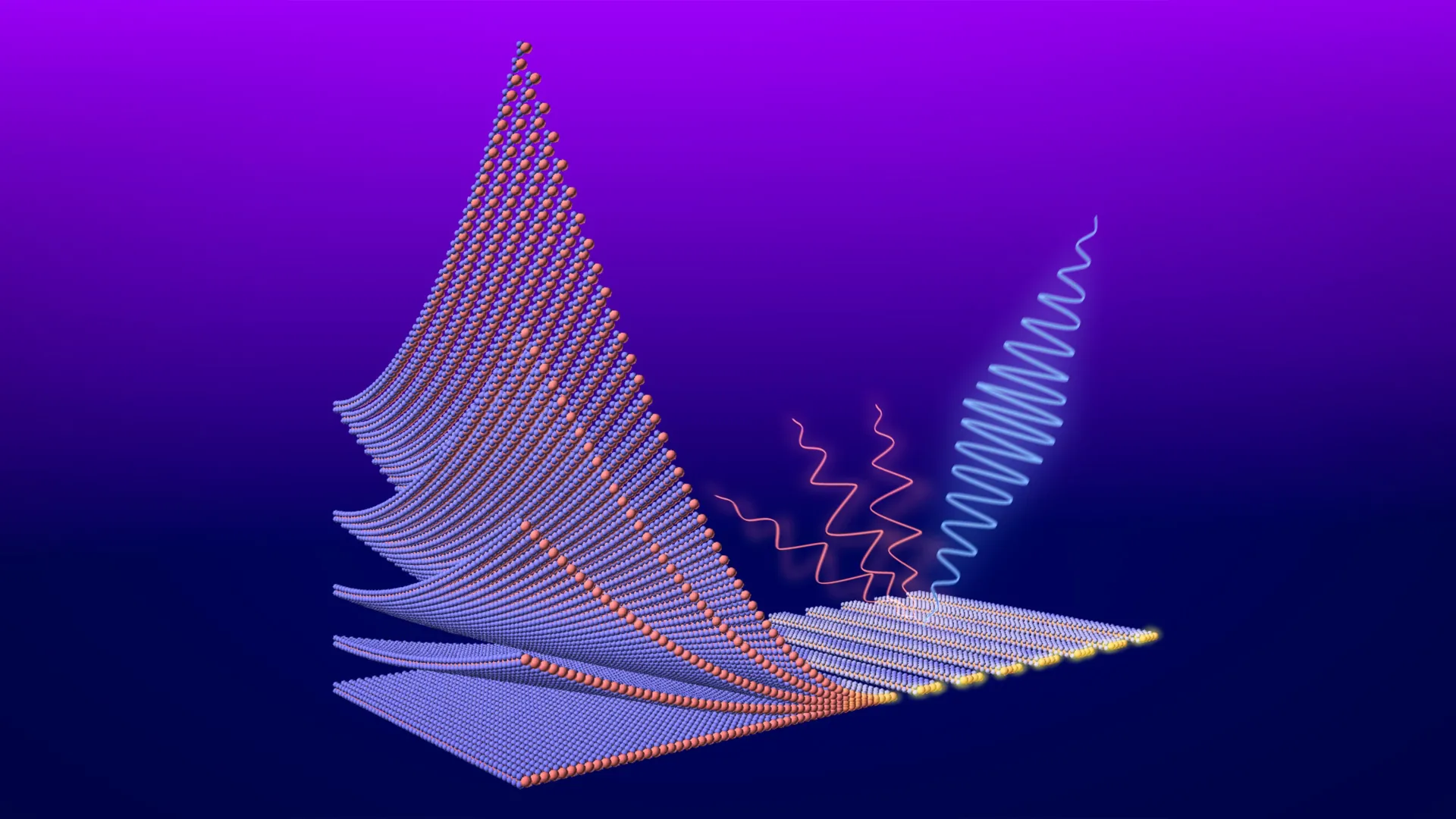
Researchers have created a nanoscale structure that traps infrared light in a layer just 40 nanometers thick—over 1,000 times thinner than a human hair. By using a unique material with exceptional light-bending properties, they can confine and...
schedule
10:43
visibility
3 vistas
Fuente: Science Daily
Leer artículo original →
auto_awesome Este artículo fue traducido automáticamente y puede contener inexactitudes.
Researchers have created a nanoscale structure that traps infrared light in a layer just 40 nanometers thick—over 1,000 times thinner than a human hair. By using a unique material with exceptional light-bending properties, they can confine and intensify light far beyond previous limits. This setup also dramatically boosts light conversion effects, turning infrared into visible blue light. The advance could pave the way for smaller, faster photonic technologies.