Scientists catch antimatter “atom” acting like a wave for the first time
Quantum physics once shocked scientists by revealing that particles can behave like waves—and now, that strange behavior has been pushed even further. For the first time, researchers have observed wave-like interference in positronium, an exotic...
schedule
13:35
visibility
53 vistas
Fuente: Science Daily
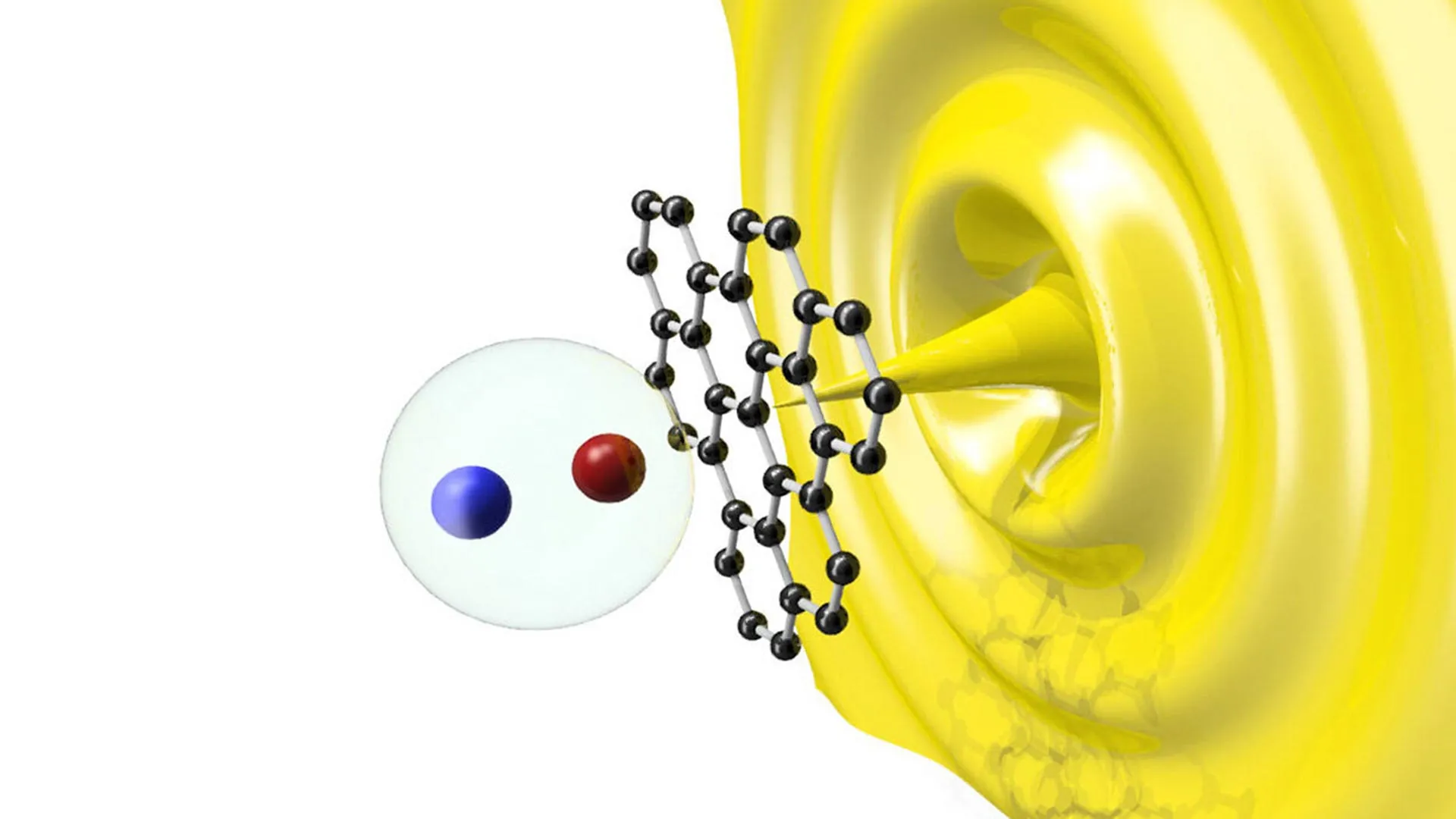
Quantum physics once shocked scientists by revealing that particles can behave like waves—and now, that strange behavior has been pushed even further. For the first time, researchers have observed wave-like interference in positronium, an exotic “atom” made of an electron and its antimatter partner, a positron. This breakthrough not only strengthens the weird reality of quantum mechanics but also opens the door to new experiments involving antimatter, including the possibility of testing how gravity affects it—something never directly measured before.
newspaper