Scientists accidentally discover DNA that breaks the rules of life
A routine experiment with a new single-cell DNA sequencing method turned into a surprising scientific twist when researchers stumbled upon a bizarre genetic code in a microscopic pond organism. Instead of following the near-universal “rules” of...
schedule
07:01
visibility
55 vistas
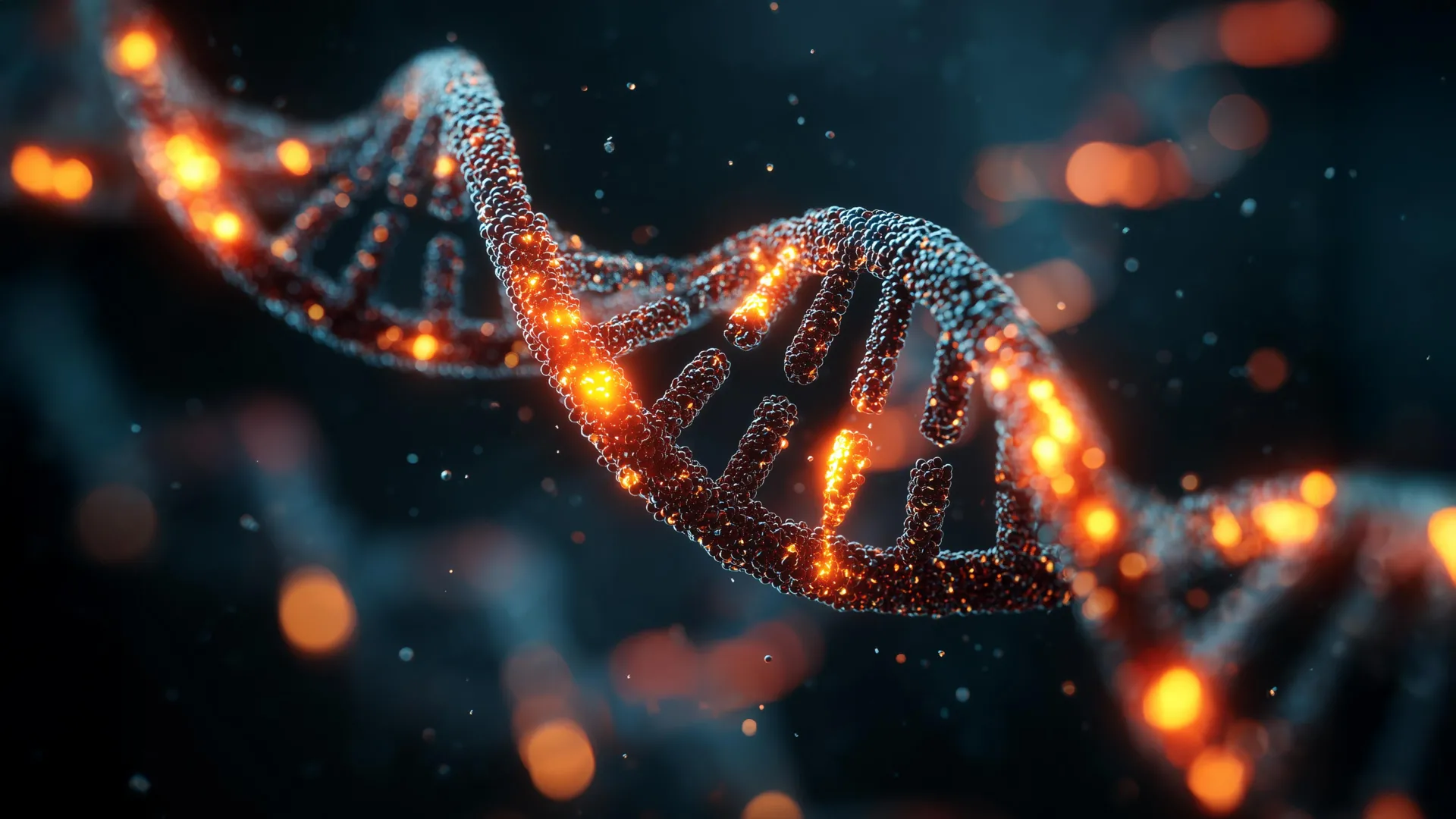
Fuente: Science Daily
A routine experiment with a new single-cell DNA sequencing method turned into a surprising scientific twist when researchers stumbled upon a bizarre genetic code in a microscopic pond organism. Instead of following the near-universal “rules” of life, this newly identified protist rewrites how genes signal their end. This unexpected discovery challenges long-held assumptions about how genetic translation works and hints that nature may be far more flexible—and mysterious—than scientists realized.
newspaper