Breakthrough could protect the vision cells that let you see faces and colors
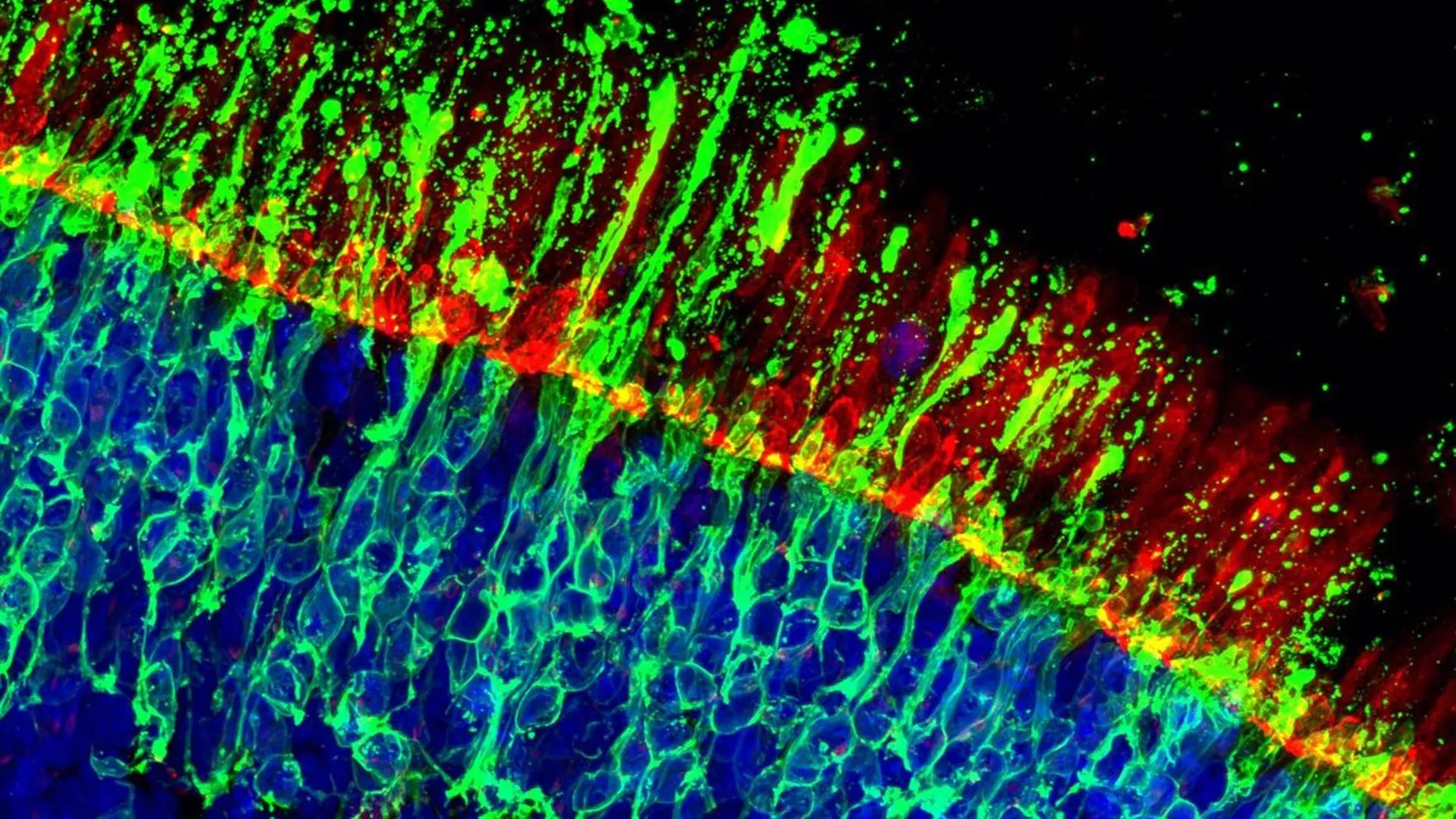
Scientists have taken a major step toward protecting the very cells that make sharp, colorful vision possible. By testing more than 2,700 compounds in thousands of lab-grown human retinal models, researchers uncovered several molecules that can...
schedule
13:13
visibility
31 vistas
Fuente: Science Daily
Leer artículo original →
auto_awesome Este artículo fue traducido automáticamente y puede contener inexactitudes.
Scientists have taken a major step toward protecting the very cells that make sharp, colorful vision possible. By testing more than 2,700 compounds in thousands of lab-grown human retinal models, researchers uncovered several molecules that can shield cone photoreceptors—the cells responsible for reading, recognizing faces, and seeing color—from degeneration. They also identified a key protective mechanism involving casein kinase 1, offering a promising new target for treatment.